The global economic landscape is undergoing a significant recalibration as the United States and Iran reportedly edge closer to a peace deal, triggering a sharp decline in oil prices and a robust rally across international stock markets. The prospect of resolving a conflict that has destabilized a critical energy corridor for months has injected a powerful dose of optimism into a previously anxious world.
At the heart of this emerging détente is a proposed one-page, 14-point memorandum of understanding (MOU), meticulously crafted by US President Donald Trump’s top envoys, Steve Witkoff and Jared Kushner, in collaboration with Iranian officials. This document aims to permanently end the ongoing conflict, which commenced with joint American and Israeli airstrikes on February 28, 2026, and lay the groundwork for month-long talks on Iran’s controversial nuclear program. The White House anticipates Iran’s formal response to this critical framework within 48 hours of May 6.
US, Iran Peace Deal Drives Market Shifts
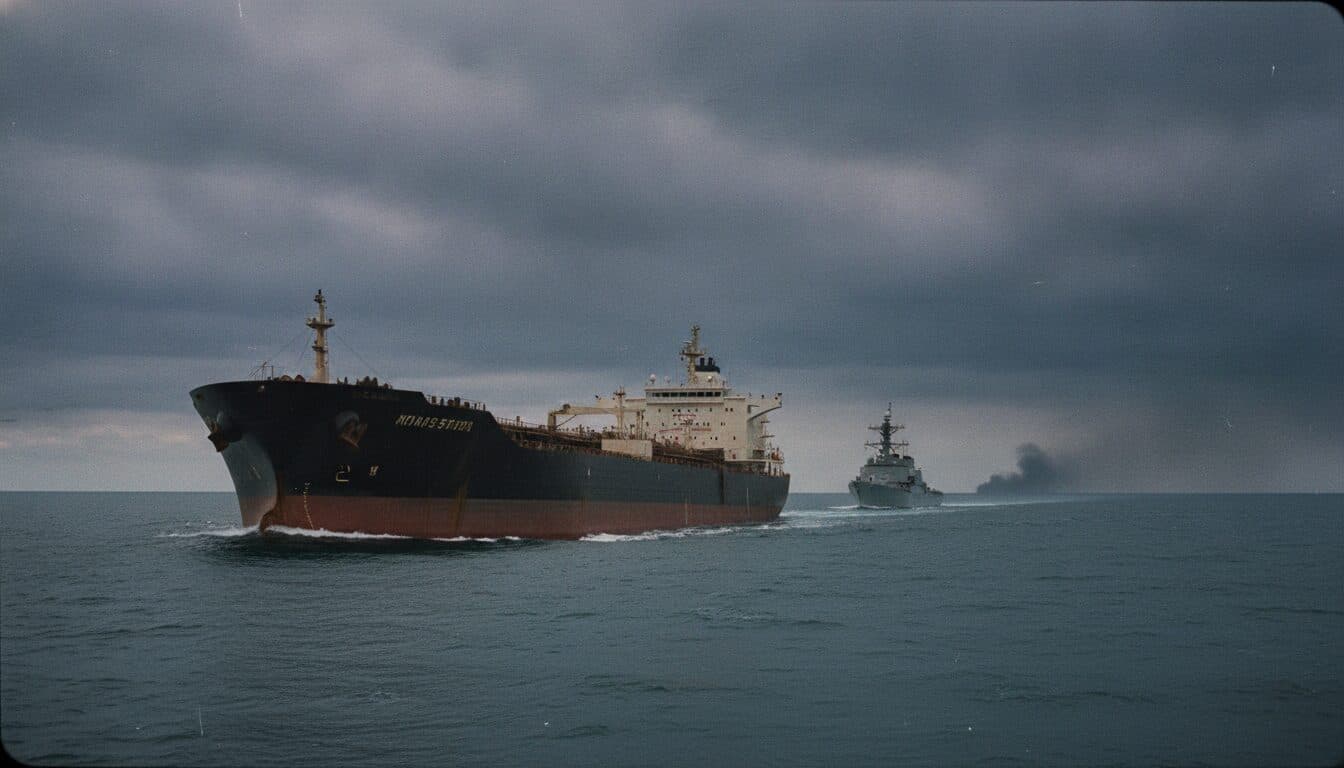
A pivotal component of the potential agreement addresses the Strait of Hormuz, the choke point for a fifth of the world’s oil supply, which has been largely blockaded by Iran since late February. The MOU reportedly calls for both sides to lift restrictions around transit through this vital waterway. In a gesture aimed at facilitating diplomatic progress, President Trump temporarily paused “Project Freedom,” a US military operation launched on May 4, 2026, to escort merchant ships through the Strait, just one day later on May 5. Despite this pause, the US naval blockade of Iranian ports remains in effect, underscoring the delicate balance of ongoing negotiations.
The proposed deal also touches upon Iran’s nuclear ambitions and the crippling sanctions imposed by Washington. The MOU reportedly includes a moratorium on nuclear enrichment by Iran and the shipment of highly-enriched uranium stockpiles out of the country. In return, the US would lift some of its sanctions on Tehran and release billions in Iran’s frozen funds. However, early signals suggest potential friction points; Iran’s previous 14-point proposal reportedly sought to delay nuclear program discussions to a second phase, prioritizing an immediate end to the war and the lifting of the naval blockade.
Beyond the immediate conflict, the document reportedly includes a clause stating that the deal “would end the war throughout the region, including in Lebanon.” This regional de-escalation is further supported by a separate US-brokered truce already reached between Israel and Lebanon, designed to isolate the Lebanese front from the broader Iranian issue. These interlocking agreements highlight the comprehensive nature of the diplomatic push.
Global markets have responded with palpable enthusiasm to the prospect of a US, Iran peace deal. Oil prices, particularly sensitive to Middle East stability, plunged. Brent crude dropped 1.2% to $108.60 a barrel after a 4% decline the previous session, briefly touching below $100 a barrel. US West Texas Intermediate futures fell 1.2% to $101.06. Concurrently, stock markets worldwide rallied, with the S&P 500 climbing 1.5% to an all-time high, the Dow Jones Industrial Average jumping 612 points (1.2%), and the Nasdaq composite rising 2% to a new record. This immediate market reaction underscores the profound economic implications of a potential resolution.
Despite the widespread optimism, Iran’s official response remains pending. Iranian foreign ministry spokesperson Esmaeil Baqaei indicated that Tehran would convey its position to mediator Pakistan after “finalizing its views.” Some Iranian officials have expressed skepticism, with lawmaker Ebrahim Rezaei dismissing the Axios report outlining the US proposal as “more of an American wish list than a reality.” Iranian Foreign Minister Abbas Araghchi affirmed that Tehran would only accept “a fair and comprehensive agreement,” pledging to protect Iran’s “legitimate rights and interests.”
President Trump, leveraging his platform on Truth Social, has expressed optimism, stating,
“Great Progress has been made toward a Complete and Final Agreement with Representatives of Iran.”
He also issued a stark warning, indicating escalated bombing “at a much higher level and intensity” if negotiations falter, while maintaining that there is “never a deadline” for these crucial talks.
The international community is closely watching, with Pakistan playing a key mediating role. China’s Foreign Minister Wang Yi has urged an immediate cessation of hostilities and called for the US and Iran to reopen the Strait of Hormuz “as soon as possible.” Meanwhile, Israeli officials, including Prime Minister Benjamin Netanyahu, have confirmed “full coordination” with the US regarding the negotiations, while simultaneously preparing for all scenarios, including a return to fighting.
The potential for a US, Iran peace deal represents a watershed moment for global geopolitics and the world economy. Beyond the immediate impact on oil prices and stock markets, a lasting resolution could reshape regional alliances, unlock new trade routes, and free up significant resources previously dedicated to conflict. Investors and policymakers alike will be scrutinizing every development, understanding that the ripple effects of this agreement, or its failure, will be felt for years to come.