Global oil markets reacted swiftly and dramatically on Wednesday, May 6, 2026, as the United States and Iran appeared to edge closer to an initial peace agreement, sending Brent crude tumbling by 5.8% to $103.54 US per barrel. This sudden shift towards de-escalation, after a period of intense conflict in the vital Strait of Hormuz, holds significant geopolitical implications and could reshape the world economy.
The optimism surrounding a potential peace deal prompted US President Donald Trump to announce a temporary pause in “Project Freedom,” a military operation initiated just two days prior. Launched on May 4, 2026, the operation aimed to escort merchant ships through the Strait of Hormuz and restore the free flow of commerce, a response to Iranian attacks on shipping in the waterway. The Strait, a choke point for approximately one-fifth of the world’s oil and liquefied natural gas, had become a flashpoint in the two-month conflict between the two nations.
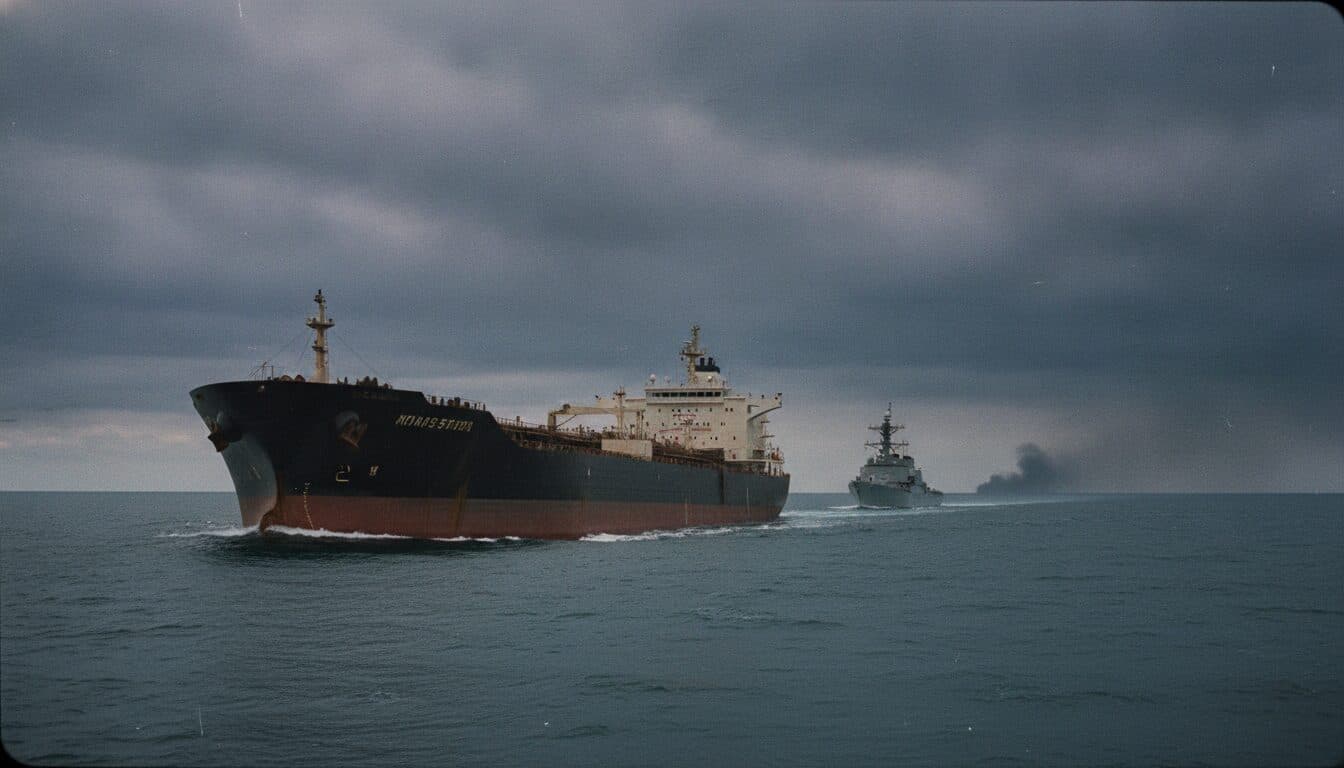
The pause followed a day of intense fighting. On May 4th and 5th, Iran launched missile and drone attacks on US-protected ships and other targets. US military reports detailed the destruction of six Iranian small boats and the interception of Iranian cruise missiles and drones. Adding to the volatility, a Panama-flagged bulk carrier, the HMM Namu, operated by South Korean shipper HMM, suffered an explosion and fire in the Strait of Hormuz on the evening of May 4th. While the fire was extinguished with no casualties among the 24 crew members, President Trump attributed the incident to an Iranian attack, a claim denied by Iran and awaiting confirmation from South Korean authorities. The ship sustained significant damage and is currently being towed to Dubai for inspection.
Global Oil Prices Drop Sharply
The prospect of a reopened Strait of Hormuz, allowing oil to flow freely again, sparked a significant decline in oil prices. Brent crude, the international benchmark, fell sharply from over $115 US earlier in the week, briefly dipping below $100 US before stabilizing. US West Texas Intermediate (WTI) futures for June also declined by 1.47% to $100.77. This dramatic price movement reflects market hopes that an easing of tensions could alleviate inflationary pressures worldwide, a welcome prospect for consumers and businesses grappling with elevated energy costs.
The diplomatic efforts underpinning this potential de-escalation are centered in Beijing. Iranian Foreign Minister Abbas Araghchi arrived in the Chinese capital on May 6, 2026, for talks with Chinese Foreign Minister Wang Yi. China, a major importer of Iranian oil and directly affected by the Strait of Hormuz blockade, has been actively involved in brokering a resolution. Wang Yi emphasized China’s readiness to play a “greater role” in restoring peace and tranquility to the Middle East, calling for a “complete cessation of fighting” and stressing the importance of continued negotiations. Araghchi’s visit precedes President Trump’s scheduled visit to China on May 14-15, where discussions on the Iran conflict are expected to be a central agenda item.
While details of the potential agreement remain undisclosed by President Trump, reports suggest it could involve Iran committing to a moratorium on nuclear enrichment, with the US agreeing to lift sanctions and release frozen Iranian funds. However, the path to a lasting peace remains fraught with challenges. A senior Iranian parliament member, Ebrahim Rezaei, dismissed reports of a nearing one-page memorandum as an “American wishlist” rather than a reality. President Trump himself acknowledged that Iran agreeing to the terms was “perhaps a big assumption,” and threatened a significantly escalated bombing campaign if a deal is not reached. Despite a shaky ceasefire in place since April 8, 2026, a profound lack of trust between the two sides and ongoing blockades in the Strait of Hormuz continue to pose substantial hurdles to a comprehensive and enduring resolution.
“The sudden drop in oil prices underscores the market’s sensitivity to geopolitical stability, particularly in critical shipping lanes like the Strait of Hormuz. A genuine peace deal would be a game-changer for global energy economics.”
The coming days will be crucial in determining the veracity and durability of this apparent shift towards peace. The stakes are incredibly high, not just for the US and Iran, but for the stability of global energy markets and the broader world economy. Investors and policymakers alike will be watching Beijing closely for any concrete signs of progress. For more insights into the evolving global landscape, explore our related trending articles on international relations and their economic impact.