A renewed and volatile chapter in the protracted US-Iran conflict has begun, with a series of overnight strikes exchanged between the two nations and President Trump declaring the temporary ceasefire “over.” This escalation, following alleged Iranian attacks on commercial vessels in the critical Strait of Hormuz, immediately sent oil prices surging and ignited fears of a wider regional conflict.
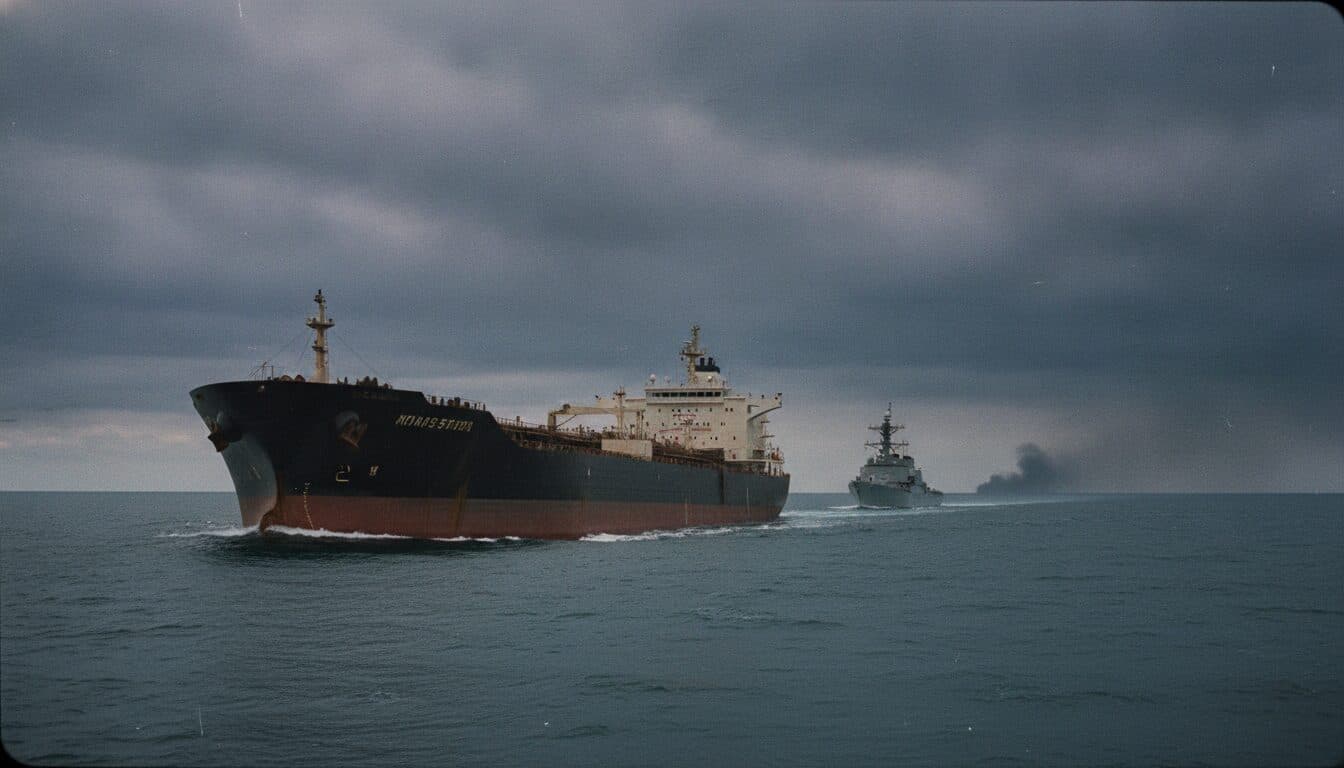
The current flashpoint stems from recent Iranian actions against at least three commercial ships in the Strait of Hormuz, a vital global shipping artery. On July 7, 2026, the British maritime security agency UKMTO reported an “unknown projectile” hitting one tanker, sparking a fire, while two other vessels, including the LNG carrier Al Rekayyat, were also struck. Iranian state television confirmed an attack on a tanker, implying Tehran’s involvement without official responsibility, stating the vessel had ignored warnings. These incidents occurred near Oman, a nation that had proposed an alternative transit corridor, which Iran opposed.
In swift retaliation, the United States launched extensive strikes on over 80 Iranian targets later on July 7. US Central Command stated these were “an immediate response to Iran’s latest attacks on commercial vessels transiting the Strait of Hormuz.” Iran’s Islamic Revolutionary Guard Corps (IRGC) retaliated overnight, claiming to have targeted 85 US military facilities in Bahrain and Kuwait. Social media footage on July 8 reportedly showed explosions in Iran’s major port city of Bandar Abbas. The US further tightened pressure by revoking a 60-day license that had authorized the sale of Iranian oil, citing Iran’s “unacceptable actions” in the strait.
Speaking at a NATO summit in Turkey on July 8, President Trump declared the ceasefire with Iran “over.” He stated,
“As far as I’m concerned, it’s over,”
and referred to Iranian leaders as “liars,” “scum,” and “sick people.” Trump expressed skepticism about further talks, stating, “It’s just a waste of time dealing with them.” While he mentioned that his negotiators, Steve Witkoff and Jared Kushner, could continue talks if they wished, he emphasized that it was up to Tehran to return to the table.
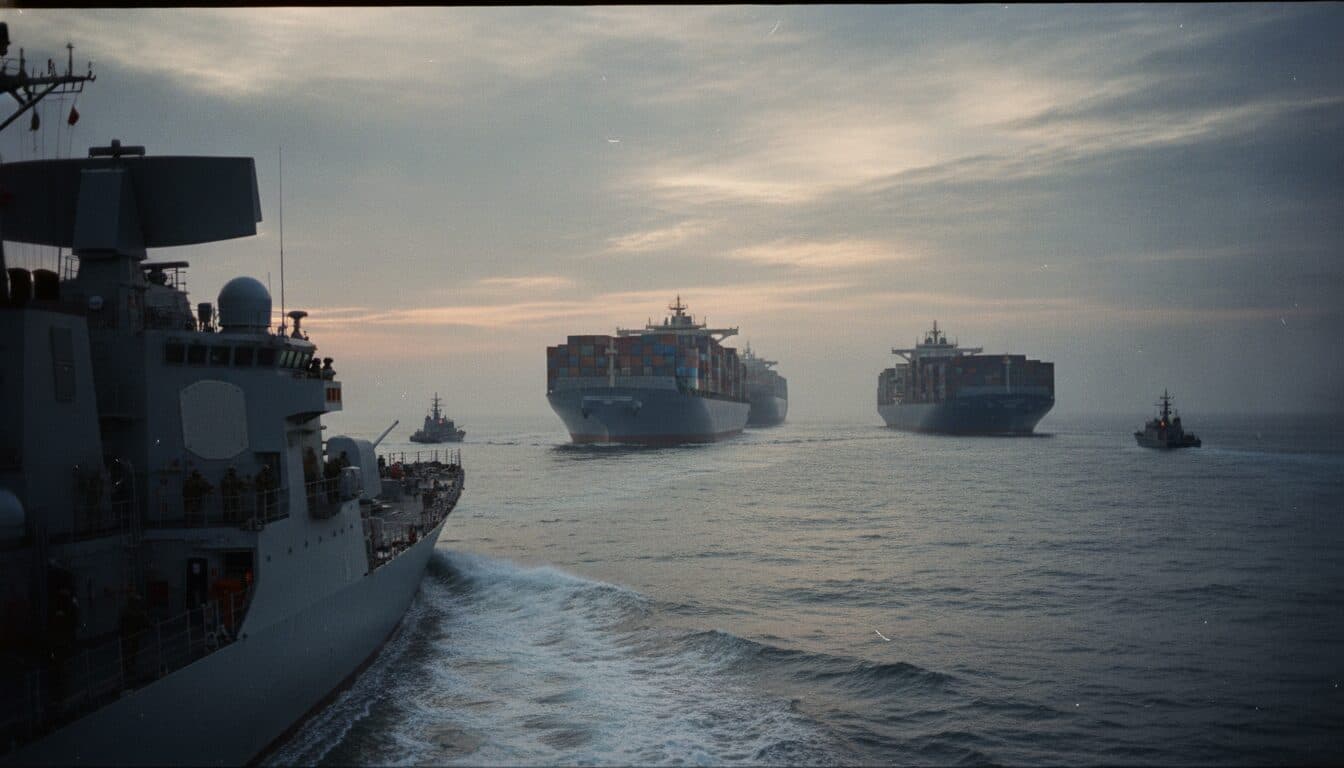
The roots of the current US-Iran conflict extend back to the 1979 Iranian Revolution, punctuated by several periods of heightened tension. A more recent escalation began in late February 2026 with US-Israeli strikes on Iran, leading to Iranian retaliation across the Middle East and threats to close the Strait of Hormuz. This strait is a crucial chokepoint through which approximately 20% of the world’s seaborne oil trade and 20% of global liquefied natural gas (LNG) passed before the current crisis. Iran has consistently asserted its right to control the waterway and levy transit fees, a stance opposed by the US and its allies who champion unrestricted freedom of navigation under maritime law.
A temporary ceasefire was brokered on April 8, 2026, following mediation efforts by Pakistan. President Trump had agreed to suspend attacks on Iran for two weeks, contingent on Iran agreeing to the “COMPLETE, IMMEDIATE, and SAFE OPENING of the Strait of Hormuz.” This ceasefire was intended to create space for diplomacy, with an initial agreement reached in mid-June to reopen the Strait of Hormuz. However, talks in Doha last week reportedly concluded without significant progress on maritime security, setting the stage for the current escalation in tensions.
The economic fallout from this renewed US-Iran conflict was immediate and pronounced. Brent crude futures surged over 5% to more than $78 per barrel, while West Texas Intermediate climbed 5.4% to $74.23 a barrel. The global energy market, already sensitive to geopolitical instability, is bracing for further volatility. NATO Secretary General Mark Rutte supported the US strikes, calling them “absolutely necessary.” Qatar, a key intermediary in US-Iran talks, condemned Iran’s strikes against Kuwait and Bahrain and called for diplomacy. The head of the United Nations’ International Maritime Organization (IMO), Arsenio Dominguez, condemned the “reckless attacks” on vessels in the Strait of Hormuz, highlighting the danger to innocent seafarers.
Looking ahead, the immediate future appears fraught with uncertainty. The declaration of the ceasefire as “over” by President Trump signals a hardening of positions and a potential return to more direct confrontation. The critical question remains whether diplomatic channels, however strained, can be reopened, or if the region is on an inexorable path to wider conflict. Investors and global markets will closely watch for any further military actions, particularly in the Strait of Hormuz, and the potential for a sustained disruption to global energy supplies. The implications for international shipping, energy security, and regional stability are profound, making this renewed US-Iran conflict a top concern for policymakers and financial markets alike.