The fragile ceasefire between the United States and Iran has shattered, replaced by a direct exchange of military strikes that threatens to plunge the Middle East into wider conflict and send shockwaves through global markets. In a dramatic escalation, both nations have launched targeted attacks over recent days, with Iran also striking US positions in allied nations, raising profound concerns about regional stability and the future of international energy supplies.
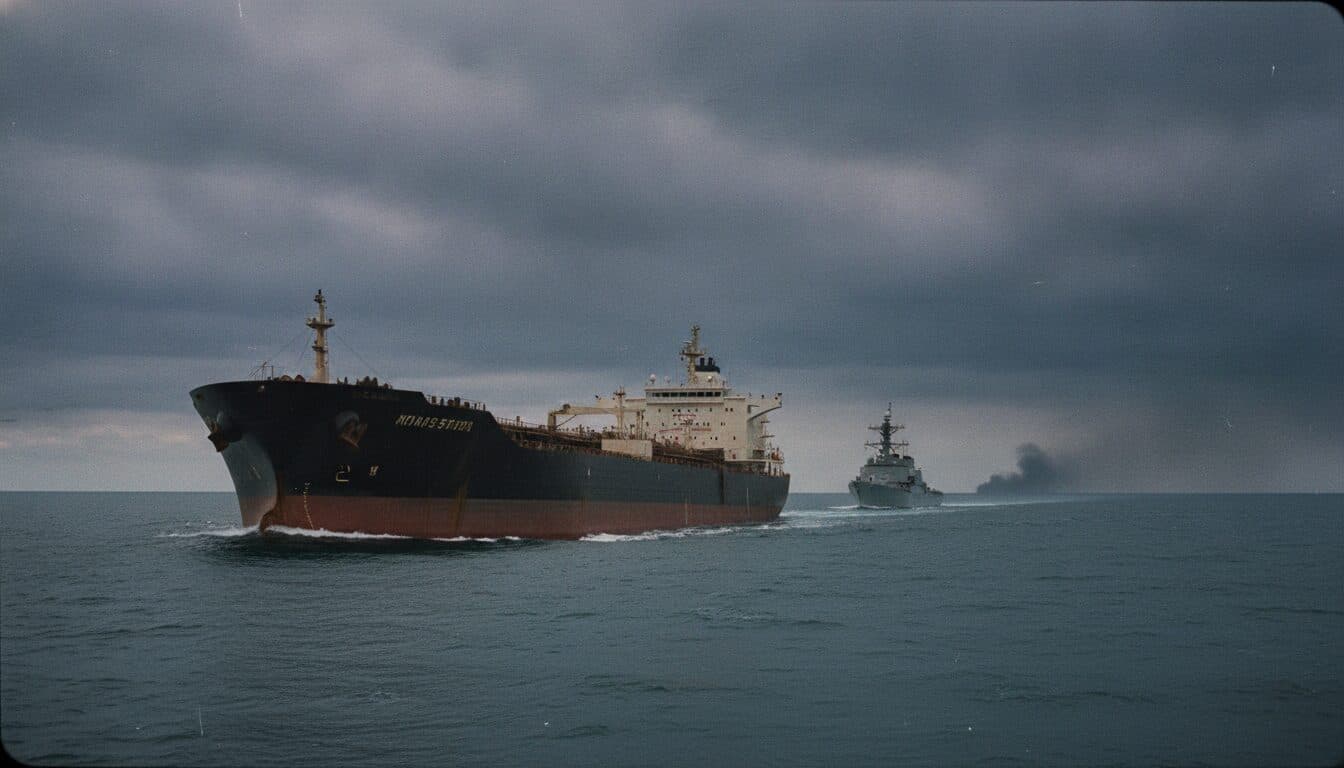
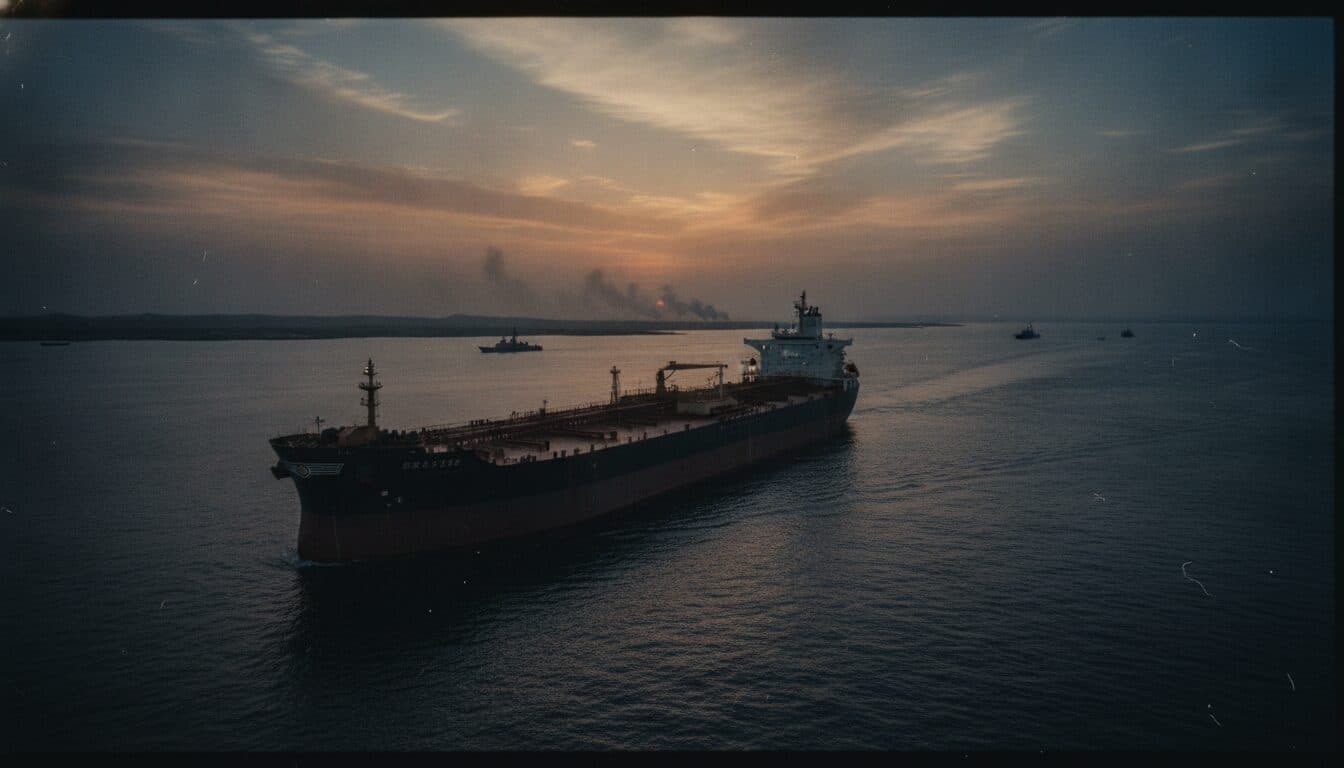
The latest volley of attacks on Sunday, June 28, 2026, saw an Iranian drone strike the Panama-flagged oil tanker M/T Kiku, carrying approximately two million barrels of crude oil, near the Strait of Hormuz. In swift retaliation, the US military launched additional strikes on 10 Iranian military targets in and near the Strait, including surveillance infrastructure, communication systems, and drone storage facilities. Concurrently, Iran’s Revolutionary Guard claimed missile and drone strikes targeted eight US military sites in Kuwait and Bahrain, including the Ali al-Salem air base and the headquarters of the US Fifth Fleet. While Kuwait reported intercepting two ballistic missiles with no casualties, Bahrain confirmed drone attacks, with one damaging a residential building in Muharraq province.
This follows a tense sequence of events, beginning on June 25, 2026, when an Iranian drone attacked the Singapore-flagged cargo ship M/V Ever Lovely near the Omani coast. The US responded on June 26 with strikes on Iranian missile and drone storage and coastal radar sites. June 27 saw Iran launch a drone attack against US positions in Bahrain, alongside reports of an unspecified projectile striking a tanker off Oman. The direct exchange of strikes between the US and Iran marks a perilous turn, pushing the region closer to open warfare.
Strait of Hormuz tensions ignite global oil concerns
The immediate impact of this military escalation is most keenly felt in global oil markets. The Strait of Hormuz, a narrow chokepoint through which approximately a fifth of the world’s oil and liquefied natural gas passes, is at the heart of the current conflict. With Iranian drones directly targeting oil tankers and US forces striking Iranian coastal military infrastructure along the Strait, shipping security is severely compromised. Analysts are bracing for significant volatility in crude oil prices, with potential for sharp increases as supply chain disruptions and perceived risks drive up premiums.
Beyond oil, the broader implications for international trade are substantial. Insurance premiums for vessels transiting the Gulf are expected to skyrocket, if coverage remains available at all, making trade through this vital artery prohibitively expensive. This will ripple through global supply chains, affecting everything from manufacturing to consumer goods. The involvement of US allied nations like Kuwait and Bahrain in the attacks further complicates the geopolitical landscape, drawing more players into the immediate vicinity of conflict.
This latest escalation directly jeopardizes the Islamabad Memorandum of Understanding (MoU), signed just over a week ago on June 17, 2026, by US President Donald Trump and Iranian President Masoud Pezeshkian. This interim agreement was designed to formalize a ceasefire, restore shipping through the Strait of Hormuz, and establish a 60-day negotiating period for a final deal on Iran’s nuclear program. The ink is barely dry, and the agreement already appears to be in tatters.
“If the US is ‘forced’ to resume the war, the Islamic Republic of Iran will no longer exist!”
President Trump’s stark warning on Truth Social on June 28 underscores the gravity of the situation. Vice President JD Vance echoed this sentiment on X, stating that “violence will be met with violence” if Iran disputes the MoU’s application. Iran’s Revolutionary Guard, for its part, has warned of a “crushing response” to any further US aggression and threatened a “complete halt of ongoing processes” in negotiations if the ceasefire is violated. Iranian Foreign Minister Abbas Araghchi cautioned that attempts to bypass Iran’s preferred routes through the Strait of Hormuz would “increase tensions.” The dispute over navigation rights in the Strait, with Iran asserting control and the international community attempting to establish safe corridors, remains a central flashpoint.
Looking ahead, the immediate priority for international diplomacy will be to de-escalate the current military exchanges and salvage any remnants of the Islamabad MoU. However, the direct US-Iran exchange of strikes, coupled with Iran’s targeting of allied nations, suggests a significant hardening of positions. The 60-day negotiation window for a final nuclear deal now seems highly improbable, if not entirely abandoned. Investors and policymakers will be closely watching for any signs of direct talks resuming, but the current trajectory points towards further confrontation rather than conciliation.
The breakdown of the ceasefire and the direct military confrontation between the US and Iran represent a critical juncture for the Middle East and global stability. For investors, the heightened risk premium on oil, the potential for supply chain disruptions, and the general uncertainty in the region demand a cautious approach. The world watches to see if diplomacy can reclaim the narrative, or if the Strait of Hormuz tensions will ignite a far broader conflict.