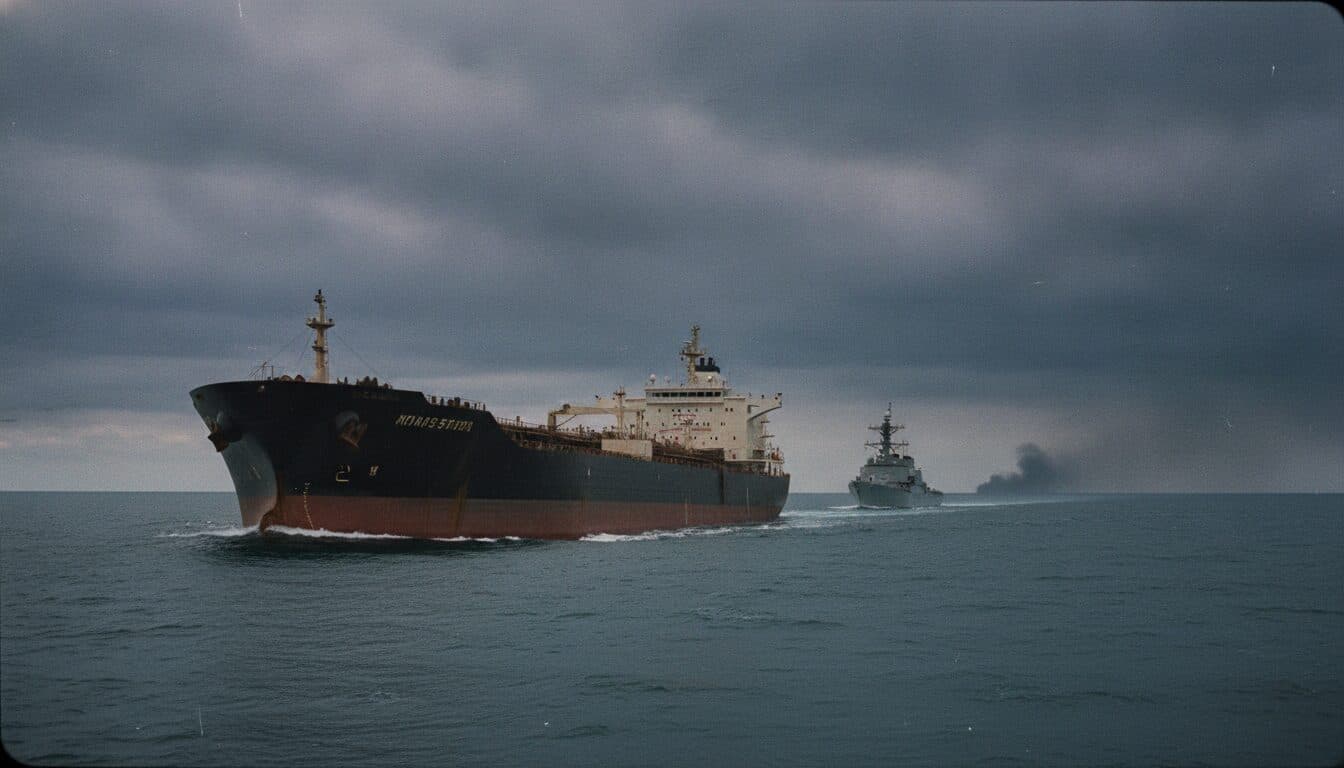
The fragile ceasefire between the United States and Iran has been severely tested after both nations exchanged fire in the Strait of Hormuz on Thursday, May 7, 2026. This direct confrontation, despite ongoing peace talks, significantly heightens geopolitical tensions and casts a long shadow over global oil markets, which rely heavily on the vital shipping lane.
The exchange of fire marks the most serious challenge yet to the month-long ceasefire that took effect on April 8, 2026, following a period of conflict initiated by US-Israeli strikes against Iran in late February. The incident unfolded as the Strait of Hormuz remains a flashpoint, with Iran having maintained a blockade since the beginning of the broader conflict, leading to hundreds of commercial vessels being bottlenecked in the Persian Gulf. The US has, in turn, imposed its own naval blockade on Iranian ports.
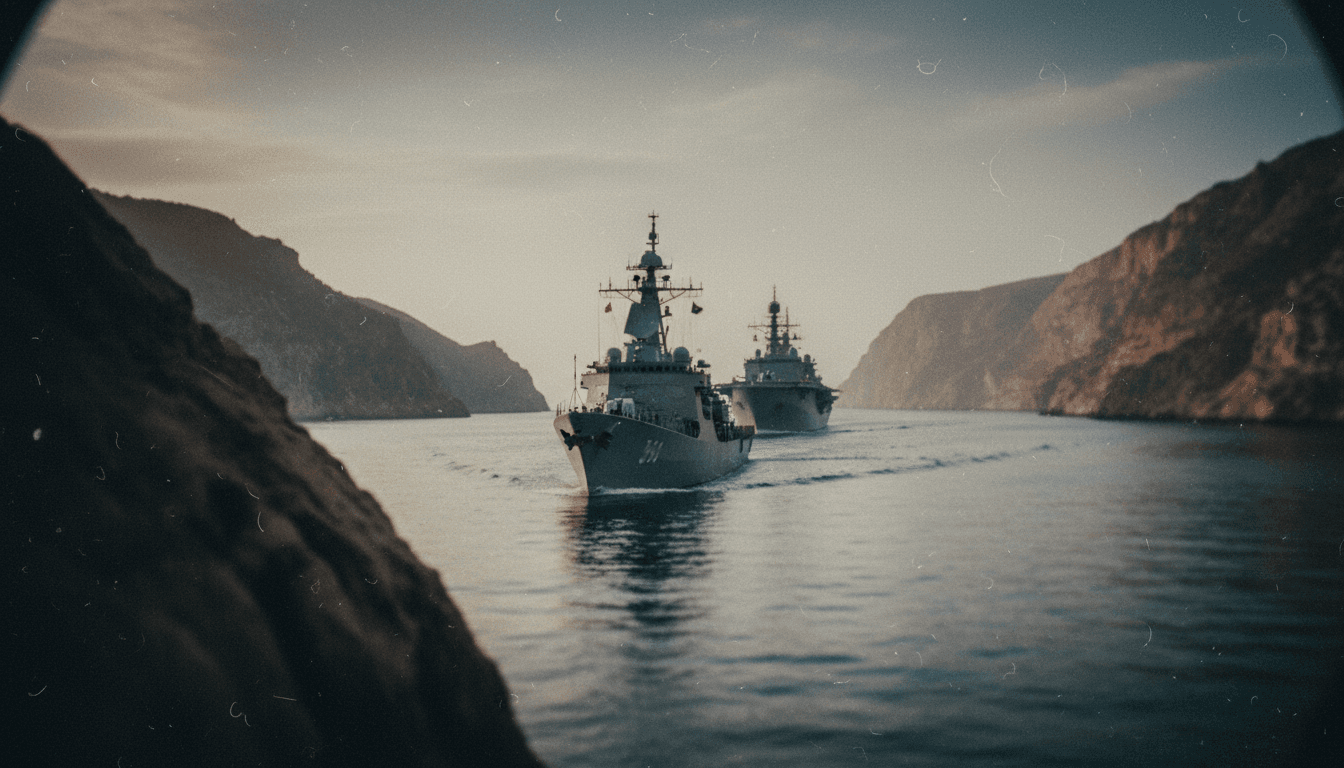
According to the US military’s Central Command (CENTCOM), three US Navy destroyers – the USS Truxtun (DDG-103), USS Rafael Peralta (DDG-115), and USS Mason (DDG-87) – came under attack by Iranian forces while transiting the Strait of Hormuz into the Gulf of Oman. CENTCOM reported that Iranian forces launched “multiple missiles, drones and small boats” at the destroyers. US forces confirmed intercepting these “unprovoked Iranian attacks” and responding with “self-defense strikes.” These retaliatory strikes targeted Iranian military facilities, including missile and drone launch sites, command and control locations, and intelligence, surveillance, and reconnaissance nodes. US officials also reported striking two Iranian ports abutting the Strait of Hormuz: Bandar Abbas and Qeshm.
Conversely, Iran’s top joint military command, the Khatam al-Anbiya Central Headquarters, accused the US of violating the ceasefire by targeting an Iranian oil tanker and another vessel entering the Strait of Hormuz. Iran also claimed the US carried out air attacks on civilian areas on Qeshm Island and coastal areas of Bandar Khamir and Sirik. Iranian state media reported that their military launched missiles in response to the alleged US attack on an oil tanker, asserting that “enemy units in the Strait of Hormuz came under Iranian missile fire and were forced to retreat after sustaining damage.” Iran further claimed that three US destroyers were targeted by Iranian naval missiles and drones near the Strait of Hormuz, reportedly inflicting “significant damage” on them.
US President Donald Trump confirmed the exchange of fire, stating that US vessels were unharmed while Iran faced “great damage.” He vividly described the US response to the drone attacks, saying,
“They dropped ever so beautifully down to the Ocean, very much like a butterfly dropping to its grave!”
Despite the clashes, Trump insisted that the ceasefire remained in effect, describing the US strikes as “just a love tap.” He also issued a stark warning to Iran that if a deal is not signed “FAST!”, the bombing would resume “at a much higher level and intensity.”
The renewed hostilities come amidst ongoing, albeit unclear, negotiations for a longer-term peace deal between the US and Iran. There were reports of a one-page memorandum of understanding being drafted, which would include a moratorium on nuclear enrichment by Iran, lifting some US sanctions, and easing restrictions around transit through the Strait of Hormuz. Iran has stated it is reviewing the latest US proposal but has not yet given a final response.
This escalation occurred shortly after President Trump initiated “Project Freedom” earlier in the week, an effort to guide stranded tankers through the Strait of Hormuz. This operation was temporarily paused after Saudi Arabia and Kuwait reportedly restricted the US military’s use of their bases and airspace. The critical importance of the Strait of Hormuz as a pathway for approximately a fifth of the world’s crude oil cannot be overstated, making any disruption a severe concern for global energy markets and prices. Related trending articles have highlighted the volatility oil markets have experienced since the initial US-Israeli strikes against Iran.
Adding to the tensions, Iran has established a new government agency, the “Persian Gulf Strait Authority (PGSA),” to approve ship transits and collect tolls in the Strait of Hormuz. This move has been widely criticized by the US as a violation of international law and an attempt to formalize Iran’s control over the waterway, further exacerbating the strategic competition for influence over this choke point.
In response to Iran’s actions, the US and Gulf nations have drafted a proposed UN Security Council resolution. This resolution threatens Iran with sanctions or other measures if it does not halt attacks on ships, stop imposing “illegal tolls,” and disclose the placement of mines in the Strait of Hormuz. This draft resolution, which could be enforced militarily, aims to ensure freedom of navigation and establish a humanitarian corridor. An earlier resolution in April was vetoed by China and Russia, underscoring the deep divisions within the international community regarding the handling of the Iran issue.
The immediate impact on markets is likely to be a surge in oil prices as traders price in the increased risk of supply disruptions. Shipping insurance premiums for vessels transiting the Gulf are also expected to climb. The diplomatic fallout could derail the fragile peace talks, pushing the region closer to a broader conflict. Investors will be closely watching for any further military actions, the progress of the UN resolution, and any definitive statements from Tehran regarding the proposed peace deal. The stability of the global energy supply chain hinges on de-escalation in the Strait of Hormuz.
The direct exchange of fire in the Strait of Hormuz underscores the precarious nature of the current ceasefire and the profound risks associated with continued US-Iran tensions. For global investors and businesses, the volatility in this region translates directly into heightened uncertainty for energy costs and supply chain stability. The coming days will be critical in determining whether this incident marks a temporary setback or a dangerous escalation towards a more entrenched conflict.