The fragile ceasefire between the United States and Iran has been severely tested this week, as both nations reported direct exchanges of fire in and around the critical Strait of Hormuz. These escalating hostilities, occurring on Thursday, May 8, 2026, and Friday, May 9, 2026, have ignited global concern over the potential for a broader regional conflict and significant disruptions to the world’s oil supplies. The direct confrontation in the Strait of Hormuz marks a dangerous new chapter in a conflict already characterized by high stakes and economic fallout.
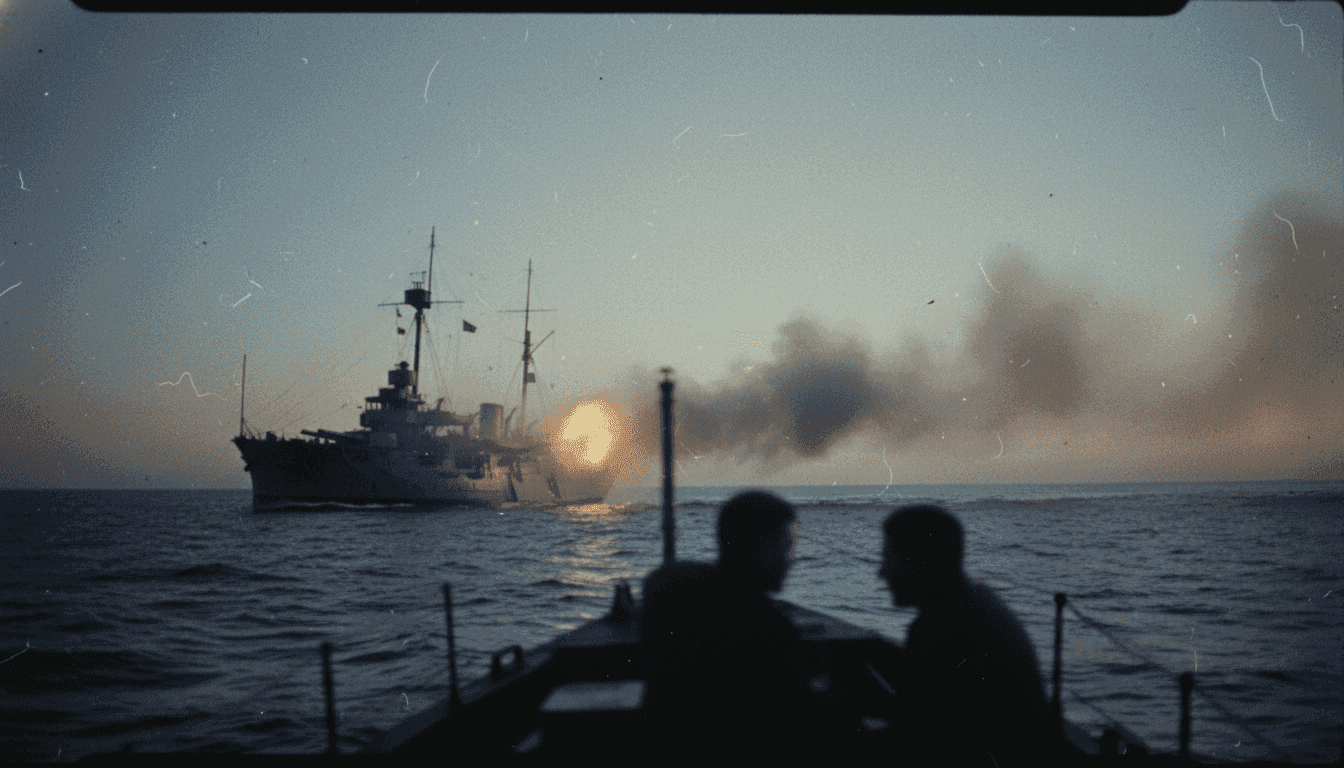
On Thursday, May 7, 2026, US Central Command (CENTCOM) reported that its forces successfully thwarted Iranian attacks on three Navy ships – the USS Truxtun (DDG-103), USS Rafael Peralta (DDG-115), and USS Mason (DDG-87) – operating in the Strait of Hormuz. Following these defensive actions, the US military launched retaliatory strikes against Iranian military facilities identified as responsible for the attacks. These targets included missile and drone launch sites, command-and-control locations, and intelligence, surveillance, and reconnaissance nodes. The US confirmed no damage to its vessels during these engagements.
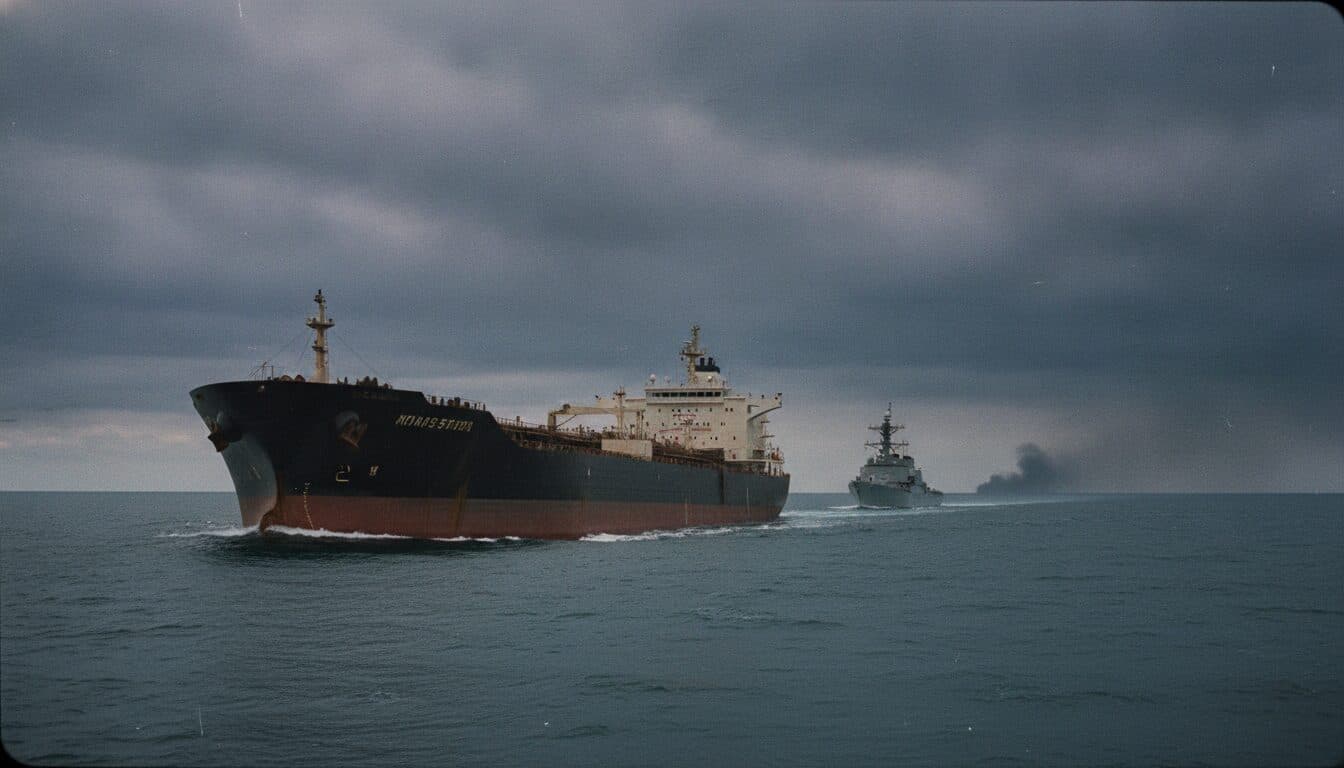
The following day, Friday, May 8, 2026, the US military reported intercepting further Iranian drone attacks and disabling two Iranian oil tankers, M/T Sea Star III and M/T Sevda. These vessels were reportedly attempting to bypass a US blockade of Iranian ports, a measure in place since the US and Israel initiated a war on February 28, 2026. A third Iranian-flagged vessel, M/T Hasna, had also been disabled on Wednesday, May 6, 2026. CENTCOM detailed that these tankers were disabled by precision munitions fired into their smokestacks. US Secretary of State Marco Rubio indicated that the US was awaiting a “serious offer” from Iran regarding a peace proposal, suggesting a diplomatic off-ramp amidst the military actions.
Iran, for its part, presented a different narrative of the events. Iranian state media, including Press TV, broadcast footage claiming Iranian forces had seized the Barbados-registered oil tanker *Ocean Koi* (also known as *Jin Li*) in the Gulf of Oman on Friday, May 8, 2026. An Iranian spokesperson, via the Fars news agency, stated that the military acted because the *Ocean Koi*, which had been under US OFAC sanctions since February 2025, had attempted to “disrupt oil exports and the interests of the Iranian nation.” Iran’s Foreign Ministry condemned the US strikes as a “clear violation” of the month-old ceasefire agreement, mediated by Pakistan and initiated on April 8, 2026.
Further Iranian reports detailed exchanges of fire with “the enemy” on Qeshm Island in the Strait of Hormuz, alongside claims of loud noises and defensive fire in western Tehran. Iran’s military accused the US of targeting an Iranian oil tanker and another ship, as well as carrying out air attacks on civilian areas on Qeshm Island and coastal areas of Bandar Khamir Sirik. Iran claimed its military responded by attacking US military vessels east of the Strait of Hormuz and south of the port of Chabahar, inflicting “significant damage.” An Iranian official reported 10 sailors wounded and five missing after clashes in the Strait of Hormuz, underscoring the human cost of these confrontations.
Impact on Global Markets and Geopolitics
The direct exchange of fire in the Strait of Hormuz has sent ripples through global markets, particularly the energy sector. The Strait, a vital chokepoint for global energy transit, has been largely blocked by the US blockade on Iranian ports since late February. This has already caused a significant spike in fuel prices worldwide. The latest escalation threatens further disruptions, potentially driving oil prices even higher and exacerbating inflationary pressures globally. Investors are closely watching for any signs of prolonged conflict, which could trigger supply chain issues and dampen economic growth prospects.
Beyond the immediate economic impact, the geopolitical ramifications are profound. The fragile ceasefire, described as “shaky” by observers, appears on the brink of collapse. US President Donald Trump downplayed the US strikes as a “love tap” in a phone call with ABC, yet reiterated threats to resume full-scale bombing if Iran does not accept an agreement to reopen the strait and roll back its nuclear program. This rhetoric, coupled with the military actions, highlights the precarious nature of regional stability.
The United Arab Emirates also reported being caught in the crossfire, with its air defenses intercepting two ballistic missiles and three drones launched by Iran on Friday, May 8, 2026, resulting in three wounded individuals. Since the beginning of Iran’s attacks on the UAE, the country’s air defenses have intercepted a total of 551 ballistic missiles, 29 cruise missiles, and 2,263 drones, illustrating the broader regional instability fueled by the US-Iran tensions. This spillover effect underscores the interconnectedness of regional security and the potential for a wider conflagration.
The current hostilities are set against a backdrop of ongoing diplomatic efforts, primarily mediated by Pakistan. Pakistan has been instrumental in delivering a US proposal for an interim deal to Iran. This proposal is believed to offer a formal ceasefire for at least 60 days, intended to pave the way for talks on contentious issues, including Iran’s nuclear program. However, the recent military engagements cast a long shadow over these diplomatic overtures, making a lasting resolution appear increasingly distant.
“The Strait of Hormuz remains the world’s most critical energy chokepoint, and any direct military confrontation here carries immediate and severe economic consequences for every nation reliant on global oil supplies.”
What Lies Ahead for the Strait of Hormuz
The immediate future for the Strait of Hormuz and the broader US-Iran relationship remains highly uncertain. The ceasefire, already described as fragile, is under immense strain, and its complete breakdown could trigger a more sustained period of conflict. Expert predictions vary, but many foresee continued skirmishes and a heightened state of alert in the region, particularly if diplomatic efforts fail to yield concrete progress.
Investors and businesses with interests in global trade and energy markets should brace for continued volatility. The potential for further disruptions to oil shipments through the Strait of Hormuz is significant, and companies may need to re-evaluate supply chain resilience and contingency plans. The ongoing US blockade of Iranian ports, coupled with Iran’s retaliatory actions, suggests that the region will remain a flashpoint for the foreseeable future.
The international community will be closely watching the mediation efforts by Pakistan and the responses from both Washington and Tehran. The path forward demands a delicate balance of de-escalation and assertive diplomacy, lest the current exchanges of fire spiral into a full-scale conflict with devastating global implications. The stability of the global energy market and the broader geopolitical landscape hinges on the ability of these two powers to find a diplomatic resolution to the escalating tensions in the Strait of Hormuz. Related trending articles highlight similar regional instabilities.
The key takeaway for our readers and investors is the profound risk associated with the current situation. The direct military engagements in the Strait of Hormuz signify a dangerous escalation that could severely impact global oil prices, trade routes, and regional stability. Prudent financial planning and risk assessment must account for the ongoing volatility stemming from this critical geopolitical flashpoint.