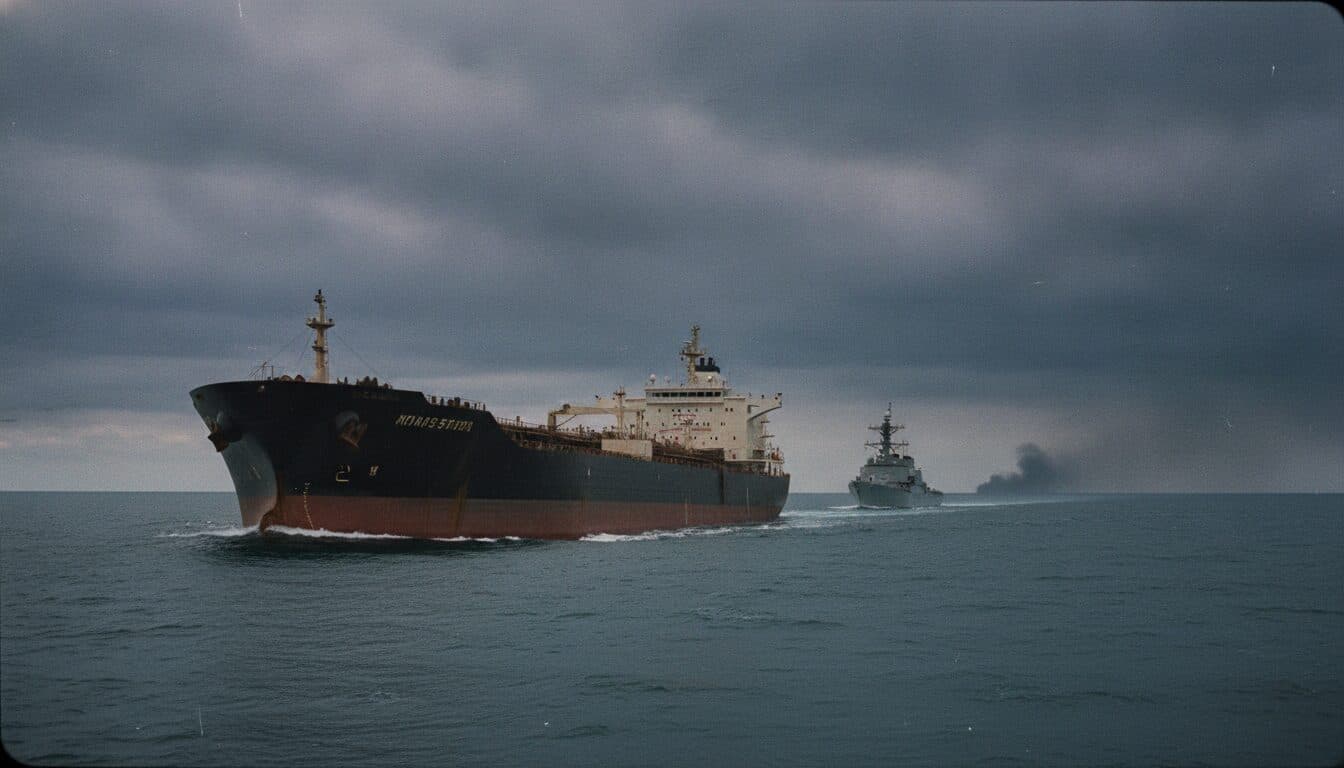
The Strait of Hormuz, the world’s most critical chokepoint for oil shipments, has once again become the flashpoint for direct military engagement between the United States and Iran, sending tremors through global oil markets and shattering a fragile ceasefire. The US-led “Project Freedom,” launched yesterday to reopen the vital waterway, has been met with immediate and aggressive Iranian resistance, pushing crude prices to levels not seen in years and raising fears of a prolonged economic shock.
On Monday, May 4, 2026, US President Donald Trump announced the commencement of “Project Freedom,” an ambitious operation involving approximately 15,000 US troops, Navy destroyers, and over 100 land- and sea-based aircraft. Its explicit aim is to restore freedom of navigation for commercial shipping through the Strait of Hormuz, a route Iran had effectively closed since February 28, 2026. US Central Command (CENTCOM) Commander Adm. Brad Cooper emphasized that this mission extends beyond traditional escorting, incorporating a comprehensive defensive package designed to ensure safe passage.
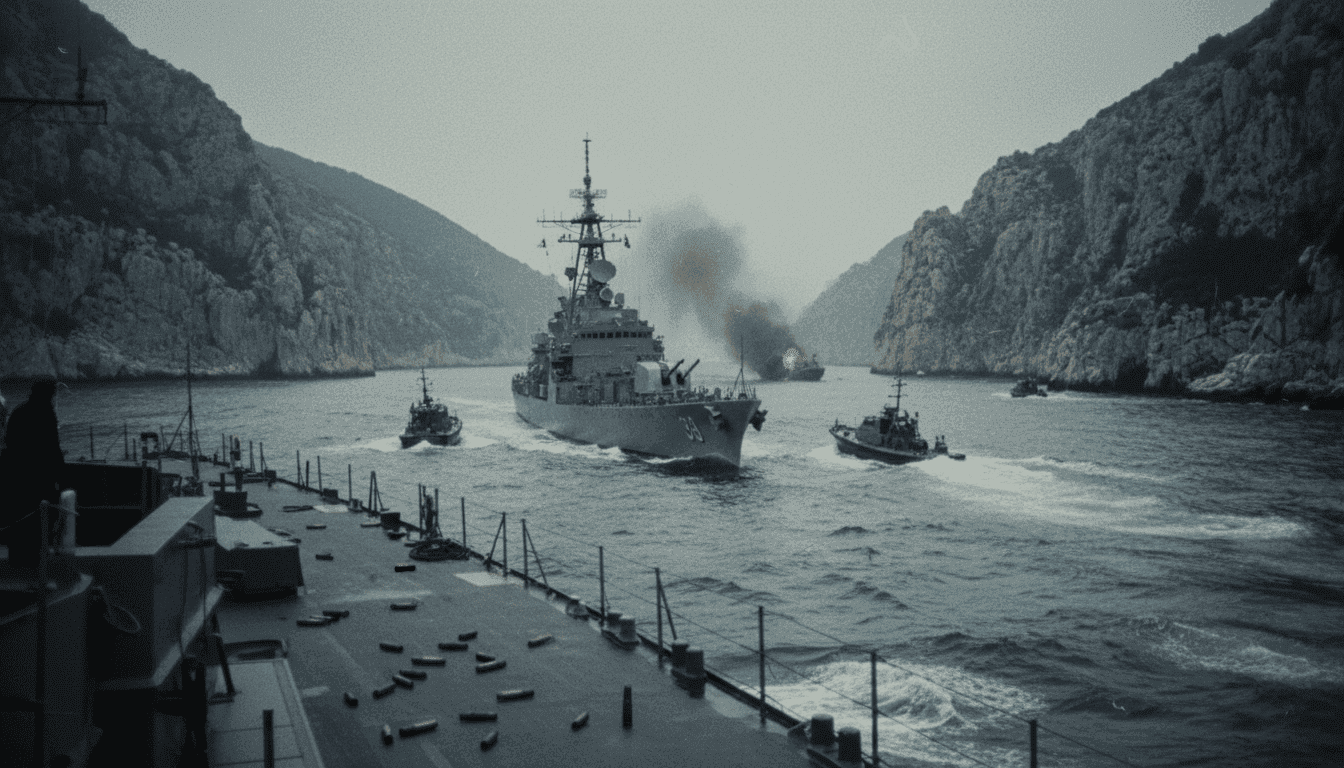
The operational launch quickly devolved into direct confrontation. The US military reported destroying six Iranian small boats that attempted to interfere with “Project Freedom,” with President Trump later estimating the number at seven. These vessels were reportedly sunk by US Apache and Seahawk helicopters. Adm. Cooper highlighted the swift elimination as an indicator of “dramatically degraded” Iranian military capability, noting Iran typically deploys “between 20 and 40 small boats” for harassment. Iran, however, vehemently denied these claims, with state media asserting no Iranian vessels were sunk.
In retaliation, Iran launched missile and drone attacks. The UAE reported its first such attack since the April 8 ceasefire, with a drone strike igniting a fire at the critical Fujairah oil hub. An explosion and fire were also reported on a South Korean cargo vessel within the Strait of Hormuz. Iran’s Revolutionary Guards denied any commercial vessels had successfully transited the strait in recent hours, dismissing US claims as false. Iranian state media also issued a veiled threat, implying that UAE oil facilities could face further attacks if the US attempts to circumvent Iran in the Strait.
Amidst the escalating hostilities, two US Navy destroyers, the USS Truxtun and USS Mason, successfully transited the Strait of Hormuz under Iranian fire. They faced a “sustained barrage” of Iranian small boats, missiles, and drones. However, defensive measures, bolstered by Apache helicopters and other aircraft, intercepted or deterred all threats, ensuring neither destroyer was struck. Despite Iranian denials, the US military confirmed that two US-flagged commercial ships successfully transited the Strait of Hormuz on May 4, 2026, under the protection of “Project Freedom.” Danish shipping giant Maersk corroborated this, confirming one of its US-flagged vessels, the Alliance Fairfax, exited the Persian Gulf with a US military escort without incident.
Oil Markets Surge on Project Freedom Fallout
The renewed conflict in the Strait of Hormuz has sent shockwaves through global energy markets. Brent crude touched an intraday high of $126.41 per barrel on April 30, 2026, the highest level since March 9, 2022, driven by fears of sustained physical supply loss from the critical waterway. Yesterday, WTI reached $101.51 and Brent $114.44. The national average price of a gallon of regular gas in the US surged nearly 3 cents overnight to $4.483, reflecting the immediate impact on consumers.
“The disruption in the Strait of Hormuz represents the most severe oil supply shock since the 1973 Arab Oil Embargo, with a projected 15% to 20% supply impact. The ripple effects will be felt across every sector of the global economy.”
This latest escalation follows a fragile ceasefire initiated on April 8, 2026, which was later extended for negotiations. However, the core condition of reopening the Strait of Hormuz clearly remained unmet. Both sides are now trading accusations of ceasefire violations, with Iran citing the US naval blockade and the US pointing to attacks on ships and Gulf targets. President Trump had previously indicated on May 3, 2026, that he would likely reject Iran’s 14-point peace proposal, stating, “they have not paid a big enough price.”
International reactions have been swift but varied. Saudi Arabia has called for “de-escalation, restraint” and diplomacy, highlighting regional concerns. South Korea is now reviewing its position on joining US operations in the Strait of Hormuz after an apparent Iranian attack on one of its ships. Iran’s Foreign Minister Abbas Araghchi warned that military action would not resolve the crisis, while Iran’s chief negotiator, Mohammad Bagher Ghalibaf, ominously stated, “We have not even started yet” in the standoff, suggesting further escalation is possible.
The immediate future remains highly uncertain. “Project Freedom” marks a decisive shift in US strategy, moving from containment to direct intervention to secure the Strait of Hormuz. The success of this operation, and more critically, Iran’s sustained response, will dictate the trajectory of global oil prices and the stability of the Middle East. Investors and consumers alike must brace for continued volatility as this high-stakes confrontation unfolds, with the potential for further supply disruptions and sustained inflationary pressures.