American households are bracing for a prolonged period of economic strain as US inflation surged to 3.8% in April 2026, marking the highest rate since May 2023. This unwelcome acceleration, driven predominantly by escalating energy prices, is eroding consumer purchasing power and casting a long shadow over the Federal Reserve’s interest rate strategy for the remainder of the year.
The latest U.S. Consumer Price Index (CPI) figures, released Wednesday, May 13, 2026, revealed an annual inflation rate of 3.8%, a significant jump from 3.3% in March. Month-over-month, the CPI climbed 0.6% in April, following a 0.9% increase in March. The most striking element of this surge is the energy index, which alone accounted for over 40% of the monthly rise. Energy prices spiked 3.8% in April and have soared a substantial 17.9% over the past 12 months.
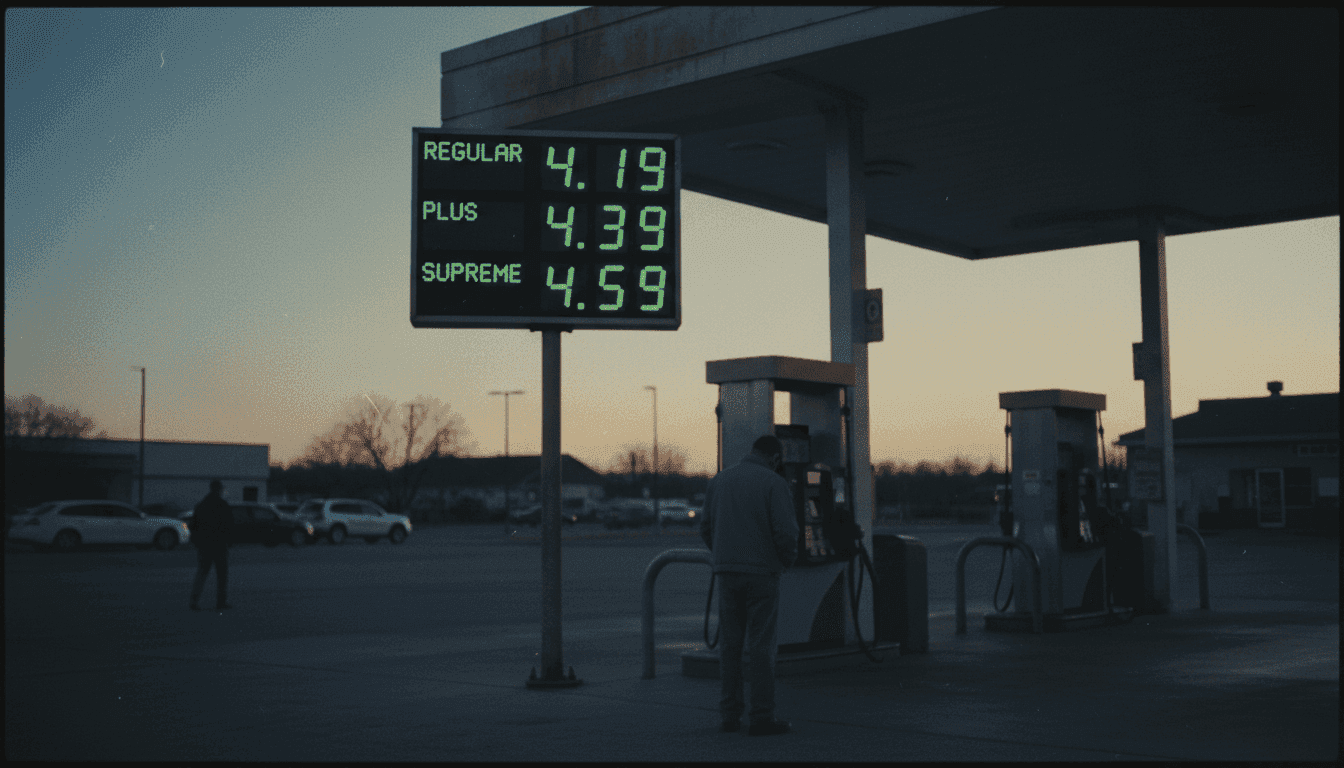
Gasoline prices, a direct and immediate hit to most Americans, jumped 5.4% in April and a staggering 28.4% year-over-year. Before seasonal adjustments, gasoline prices saw an even sharper 11.1% increase in April. The national average price for regular unleaded gasoline crossed the $4 per gallon threshold in early April, hitting $4.08, roughly a dollar higher than the previous month. By May 3, 2026, this average had climbed further to $4.45 per gallon. Electricity prices also contributed to the burden, rising 6.1% in April compared to a year ago.
While energy was the primary culprit, other categories also saw notable increases. Food prices rose 0.5% in April and 3.2% over the last year. Core inflation, measured by the ‘all items less food and energy’ index, increased 0.4% in April and 2.8% over the past 12 months, remaining stubbornly above the Federal Reserve’s 2% target. Shelter costs climbed 0.6% in April and 3.3% annually, while airline fares saw a significant 2.8% jump in April, now up 20.7% year-over-year.
US Inflation Squeezes Real Wages, Reshaping Economic Outlook
The immediate and most tangible impact of this rising US inflation is the erosion of consumer purchasing power. Real average hourly earnings for all employees decreased by 0.5% from March to April 2026, seasonally adjusted. Over the past 12 months, real average hourly earnings have fallen by 0.3%, marking the first annual decline since April 2023. Real average weekly earnings also saw a 0.2% decrease over both the month and the year. This means that for the first time in three years, the average American’s pay cheque is buying less than it did a year ago.
This ‘energy shock’ is widely expected to stifle real wage growth, curb consumer spending, and diminish household savings through at least the middle of the year. The ripple effect extends beyond the gas pump; higher diesel prices, a direct consequence of the geopolitical turmoil, are anticipated to translate into increased transportation costs, ultimately filtering down to higher grocery bills and other essential household expenses.
“The relentless climb in energy prices is a direct tax on every American household, forcing difficult choices between necessities and discretionary spending. This isn’t just a number; it’s a tangible squeeze on family budgets.”
The primary catalyst for this surge in energy costs is the ongoing conflict in the Middle East, specifically the war with Iran, which commenced in late February 2026. The closure of the Strait of Hormuz, a critical chokepoint for global energy shipments, has sent crude oil prices soaring past $100 a barrel. This geopolitical instability has effectively severed a vital artery for global energy supplies, directly inflating gasoline and other fuel costs across the board.
The escalating inflation figures present a formidable challenge for the Federal Reserve. With inflation now drifting further from its 2% target, market expectations for interest rate cuts in 2026 have all but evaporated. The central bank’s traditional response to heightened inflation is to raise interest rates, thereby cooling economic activity and easing price pressures. Kevin Warsh, the incoming US Federal Reserve chair, has previously voiced a preference for lower interest rates, but the current inflationary environment may severely constrain his ability to advocate for such cuts.
Looking ahead, the outlook remains concerning. Brian Coulton, chief economist at Fitch Ratings, warns that headline inflation could surpass 4% by the next CPI report if oil prices remain elevated. Gregory Daco, chief economist at EY-Parthenon, echoes this sentiment, anticipating the annual inflation rate to exceed 4% in May. The persistence of the Middle East conflict and its impact on global oil markets will be the dominant factor shaping the trajectory of US inflation in the coming months.
For investors and policymakers alike, the message is clear: the era of contained inflation appears to be on hiatus. The current economic climate demands vigilance and adaptability, as the rising cost of living continues to be the most pressing concern for American consumers and a significant constraint on the nation’s economic potential.