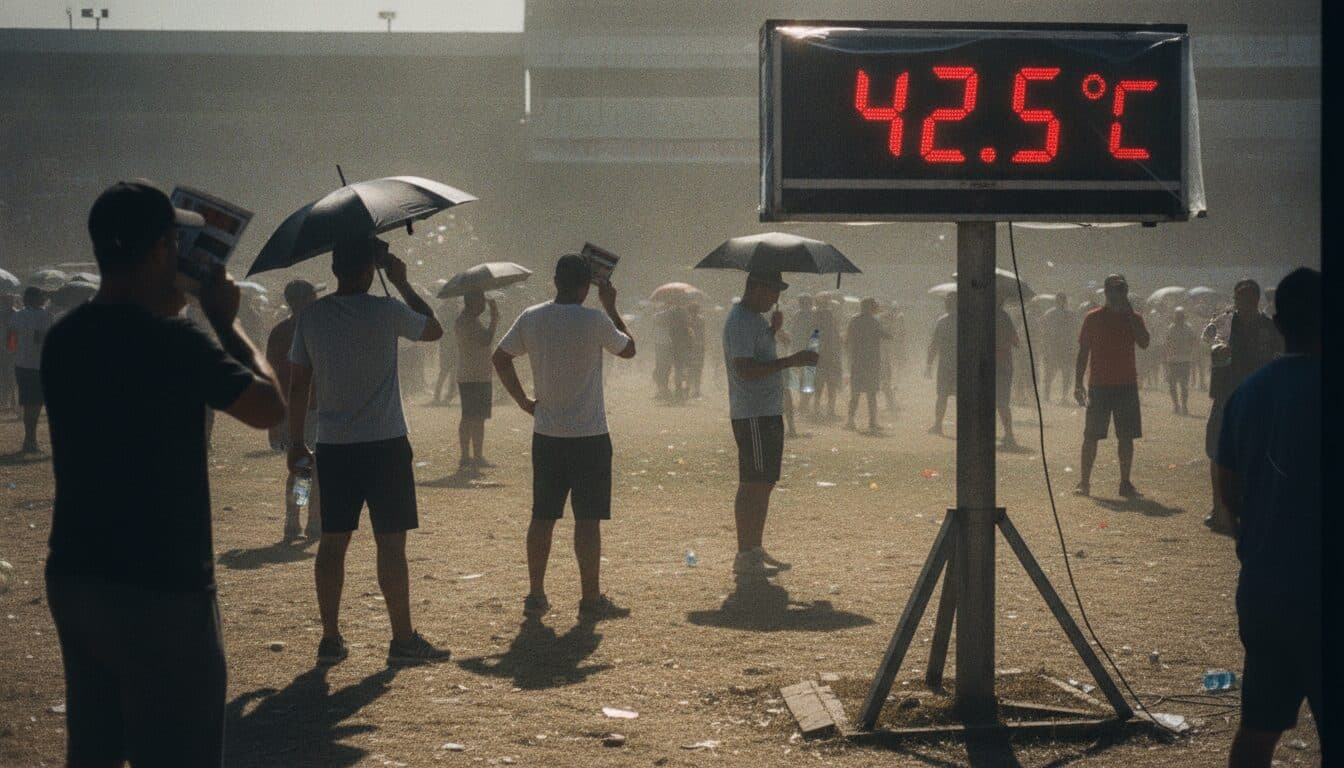
A severe heatwave is casting a long, scorching shadow over two of America’s most anticipated events this weekend: the nation’s 250th Independence Day celebrations and several high-stakes FIFA World Cup matches. With temperatures soaring into triple digits and heat index values potentially reaching an unbearable 115°F (46°C), the extreme weather event, driven by a persistent “heat dome,” is forcing widespread cancellations and raising urgent questions about public safety and the long-term economic implications of climate change.
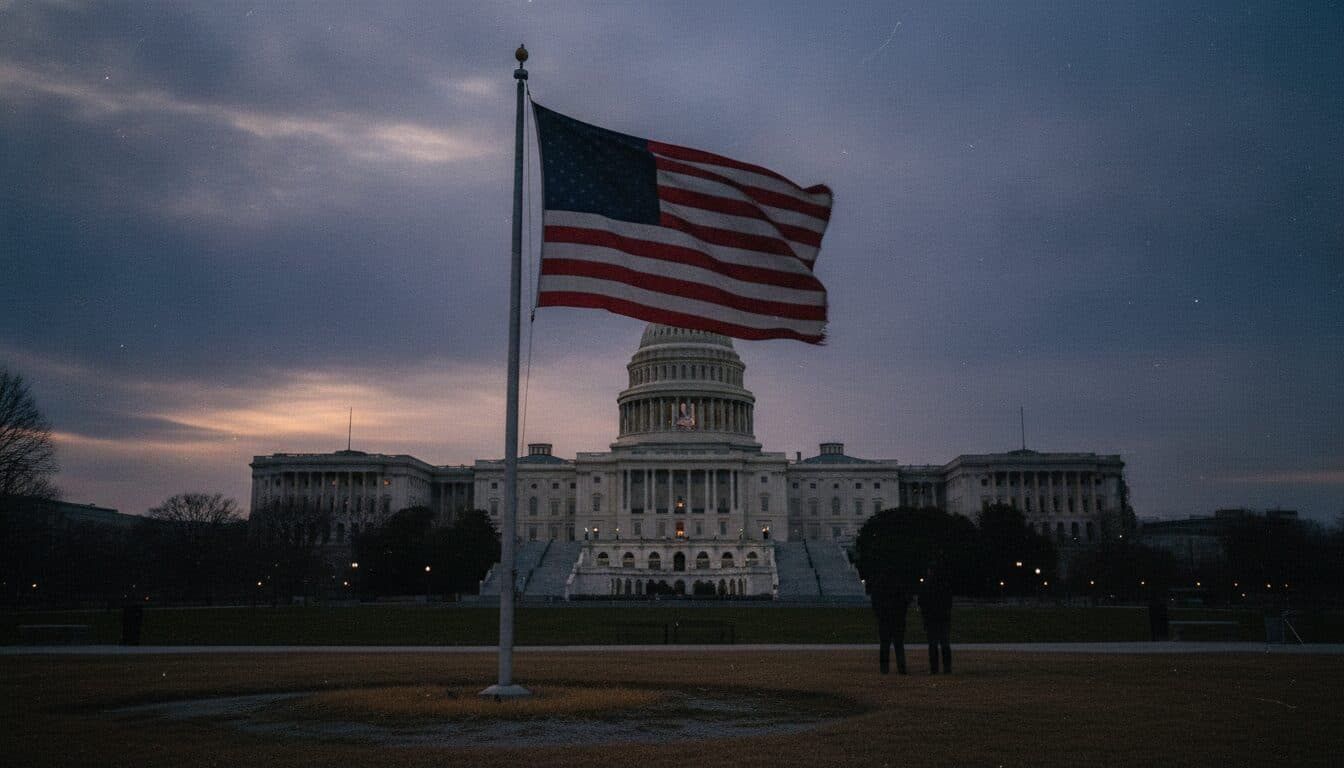
The immediate impact is undeniable. Washington D.C., the epicenter of the America 250 celebrations, is bracing for highs near or above 100°F (38°C) on July 4th, with heat index values potentially hitting 107°F (42°C). This would top the capital’s highest recorded temperature for that date, 100°F (38°C), set in 1919. Cities across approximately 20 states, including Illinois, Indiana, Ohio, and Kentucky, are under extreme heat warnings. Philadelphia canceled its All-American Block Party on July 2nd, and Norristown, Pennsylvania, called off its July 4th parade. Organizers on the National Mall are scrambling to implement heat safety measures, urging visitors to stay hydrated and limit outdoor exposure.
Beyond the celebratory disruptions, the US heatwave is directly influencing the 2026 World Cup. Host cities like Philadelphia, Miami, Dallas, Houston, Kansas City, and New York are experiencing extreme heat and humidity, with ambient temperatures in New York City exceeding 100°F (38°C) for the first time since 2012 on July 2nd. Boston also reached 100°F (38°C), setting a new daily high record.
Several matches are at significant risk. On Friday, July 2nd, Cape Verde vs. Argentina in Miami and Colombia vs. Ghana in Kansas City are both being played under extreme heat warnings. Saturday, July 3rd, brings France vs. Paraguay in Philadelphia, anticipated to be one of the hottest matches of the tournament, with temperatures forecast to reach 39°C (102°F) and a heat index up to 43°C (110°F).
FIFA has introduced mandatory hydration breaks and adjusted kick-off times, along with installing air conditioning on player benches. However, these measures are being criticized as insufficient. The global players’ union, FIFPRO, and some scientists argue that FIFA’s heat safety guidelines are “inadequate.” They advocate for match delays if the wet bulb globe temperature (WBGT) reaches 28°C (82.4°F), significantly lower than FIFA’s current postponement threshold of 32°C (89.6°F) – a temperature considered extremely dangerous for even healthy individuals engaged in physical activity.
Climate Change Connection Underscores US Heatwave Urgency
The scientific community is unequivocally linking this extreme weather event to climate change. The World Weather Attribution, an international consortium of climate researchers, has stated that a heatwave of this intensity would have been “virtually impossible” without the climate crisis. Researchers, including Theodore Keeping from Imperial College London, emphasize that the current climate is “fundamentally different” from that of the past. Even with climate change, such heatwaves are considered rare, occurring approximately once every 200 years. However, without the 1.4°C (2.5°F) planetary warming caused by fossil fuel emissions, these events would not have been expected for thousands of years.
“When a historic Fourth of July celebration is disrupted, and World Cup matches are played in conditions that are unsafe for players and fans, it shouldn’t take another scientific study to wake people up.”
Friederike Otto, a professor of climate science at Imperial College London, underscored the urgency of the situation, highlighting the societal and economic costs of inaction. The economic ramifications extend beyond immediate event disruptions, impacting sectors from tourism and hospitality to healthcare and energy infrastructure, as demand for cooling skyrockets.
The underlying cause of this extreme heat is a “heat dome,” a large area of high pressure trapping hot, humid air over the central and eastern U.S. This phenomenon, coupled with warmer overnight temperatures that offer little relief, significantly increases the risk of heat-related illnesses. More than 60 million people are currently under heat alerts, with officials urging residents to stay hydrated, avoid alcohol, limit strenuous outdoor activities, and check on vulnerable individuals.
Looking ahead, the implications are stark. The current US heatwave serves as a potent reminder of the escalating frequency and intensity of extreme weather events. For businesses and investors, this translates into increased operational risks, supply chain vulnerabilities, and potential shifts in consumer behavior. Industries reliant on outdoor activities, from construction to agriculture, face direct productivity losses. The healthcare sector braces for a surge in heat-related emergencies, while energy utilities contend with unprecedented demand, potentially leading to grid strain and higher costs.
The key takeaway for readers and investors is clear: climate change is not a distant threat but a present and powerful force reshaping economies and daily life. The disruption of iconic national celebrations and global sporting events by a weather phenomenon deemed “virtually impossible” without human-caused warming signals a new era of climate-driven challenges. Proactive investment in resilient infrastructure, sustainable energy solutions, and adaptive business strategies will be crucial for navigating a future where such extreme events become more common.