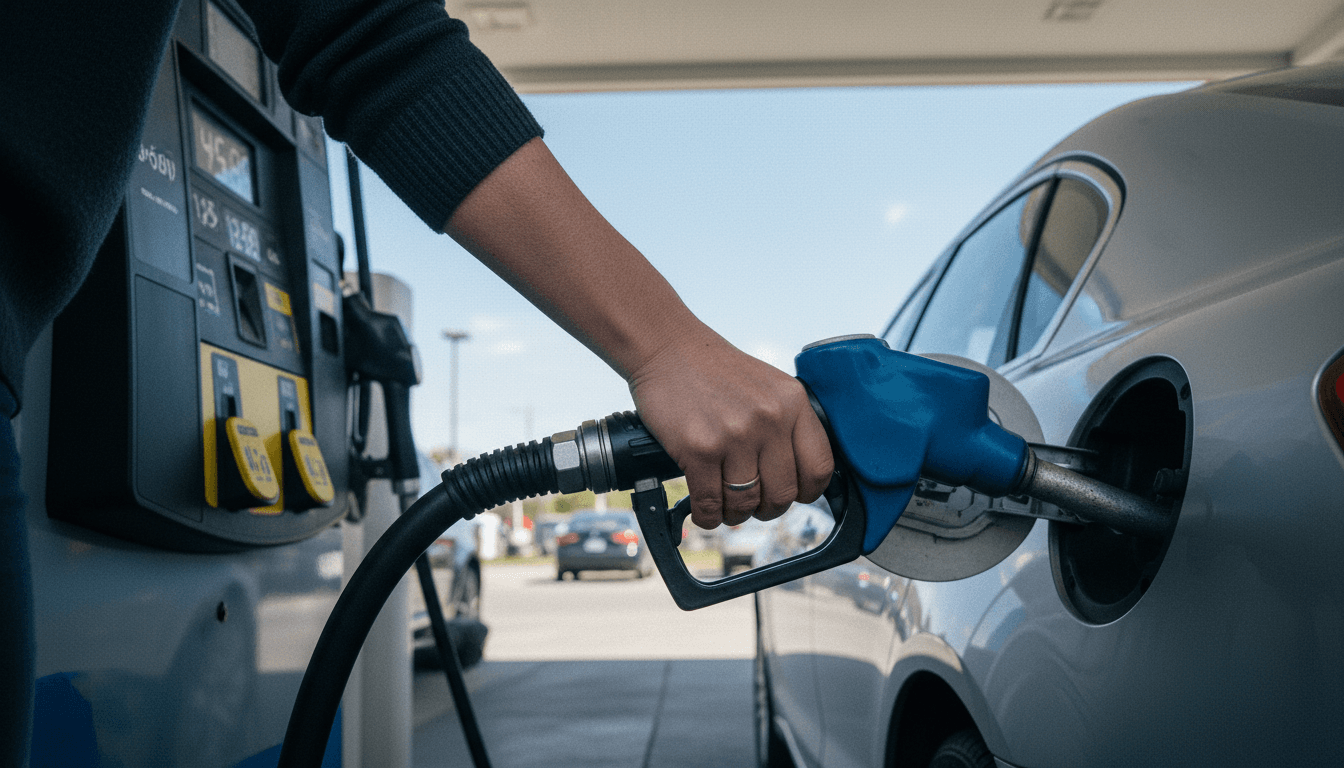
A record surge in US gasoline prices is fueling consumer inflation, impacting household budgets nationwide and dominating economic headlines as the world grapples with renewed energy instability. The dramatic increase, marking the largest monthly jump in decades, has pushed inflation to levels not seen in years, casting a shadow over economic recovery prospects.
March 2026 witnessed an unprecedented 21.2% increase in gasoline prices, a figure that accounted for nearly three-quarters of the month’s overall Consumer Price Index (CPI) rise. The CPI itself climbed 0.9% in March, the sharpest monthly surge since June 2022, bringing the annual inflation rate to 3.3% – a significant leap from February’s 2.4% and the highest since May 2024. Other motor fuels, including diesel, also saw a substantial 30.8% increase, the largest on record since the government began tracking the series.
The Shock at the Pump: Record US Gasoline Prices
The immediate consequence for American consumers was felt directly at the pump. According to AAA, the national average for a gallon of regular gasoline hit $4.15 on March 11, 2026, marking the first time the average retail price breached the $4 mark in over three years. In some states, particularly California, prices soared even higher, reaching $5.33 per gallon during March. This mirrors, and in some ways surpasses, the historical context of early 2022, when the average U.S. retail price for regular-grade gasoline averaged $3.95 per gallon, peaking at $5.01/gal in June 2022. The February to March 2022 price increase for both regular motor gasoline and diesel fuel was the largest month-over-month gain on record, a benchmark now being challenged by current events.
Economists are quick to point out the gravity of the situation. While core inflation, which excludes volatile food and energy prices, rose more moderately at 0.2% in March, the immediate impact of the oil price shock is undeniable. Christopher Rupkey, chief economist at FWDBONDS, issued a stark warning:
“Every recession since the 70s has been preceded by an energy price shock and if consumers thought there was a cost of living crisis before, get ready, as you haven’t seen nothing yet.”
This sentiment underscores a growing concern that the current energy crisis could precipitate broader economic challenges.
Global Instability Fuels Domestic Pain
The primary driver behind this dramatic surge in US gasoline prices is the ongoing war with Iran, which has sent global crude oil prices soaring by more than 30%. The conflict has severely constrained the flow of crude through the Strait of Hormuz, a critical chokepoint for global oil supply, disrupting international shipping lanes and leading to increased shipping costs. This instability has directly translated into reduced oil flows between the Middle East and major consuming markets, exacerbating supply concerns and driving up prices worldwide. The ripple effect extends beyond the pump, impacting energy-intensive industries such as airlines, package delivery services, and public transportation, all of whom are bracing for higher operational costs.
The Federal Reserve now faces a formidable challenge. This inflation spike complicates monetary policy decisions, with a growing number of officials reportedly considering interest rate hikes if core inflation doesn’t cool in the coming months. The delicate balance between taming inflation and avoiding a recession becomes even more precarious amidst this external energy shock. Service providers like Delta Air Lines Inc. and the United States Postal Service have already issued warnings of impending price hikes, signaling that the consumer impact of rising fuel costs is far from over. For more trending stories on global economic shifts, click here.
What’s Next for Household Budgets?
While the U.S. economy is less dependent on oil and gas than in previous decades, the current surge in US gasoline prices still has a profound impact. Higher gas prices directly reduce consumers’ disposable income, forcing cutbacks in other areas of spending and potentially leading to a slowdown in overall economic growth. Experts like Alan Detmeister, an economist at UBS, draw parallels to the 1990-91 period, where elevated oil and gas prices contributed to a recession without a broad inflation jump, primarily due to weaker consumer spending at the time. This comparison suggests that while broad inflation might be contained, the energy shock could still trigger a downturn.
Although the national average for gasoline prices saw a slight decline to $4.22 by March 31, 2022, attributed to increased domestic gasoline stocks and decreased demand, the overall trend in March was a sharp and concerning increase. The U.S. Energy Information Administration (EIA) forecasts retail gasoline prices to peak at a monthly average of close to $4.30 per gallon in April 2026, indicating that relief at the pump may not be imminent. The ongoing geopolitical tensions and their direct impact on global oil supply will remain the critical factors to watch, determining how long consumers will continue to face the squeeze of surging US gasoline prices and the broader implications for the economy.