The volatile relationship between the United States and Iran has plunged into a new, dangerous phase, marked by a third consecutive night of U.S. military strikes and the dramatic reinstatement of a naval blockade in the Strait of Hormuz. This significant escalation threatens to reshape global energy markets and further destabilize the Middle East, with profound financial and business implications for the international community.
On Monday, July 13, 2026, U.S. forces executed their third straight night of attacks against Iranian targets. U.S. Central Command (CENTCOM) confirmed these strikes targeted coastal defense systems, missile and drone sites, and maritime capabilities within Iran. President Trump directed these actions, stating their purpose was to “impose a heavy cost on Iranian forces and degrade their ability to attack innocent civilians and commercial shipping in the Strait of Hormuz.” Over three nights, CENTCOM reported striking more than 300 targets, signaling a comprehensive and sustained military campaign.
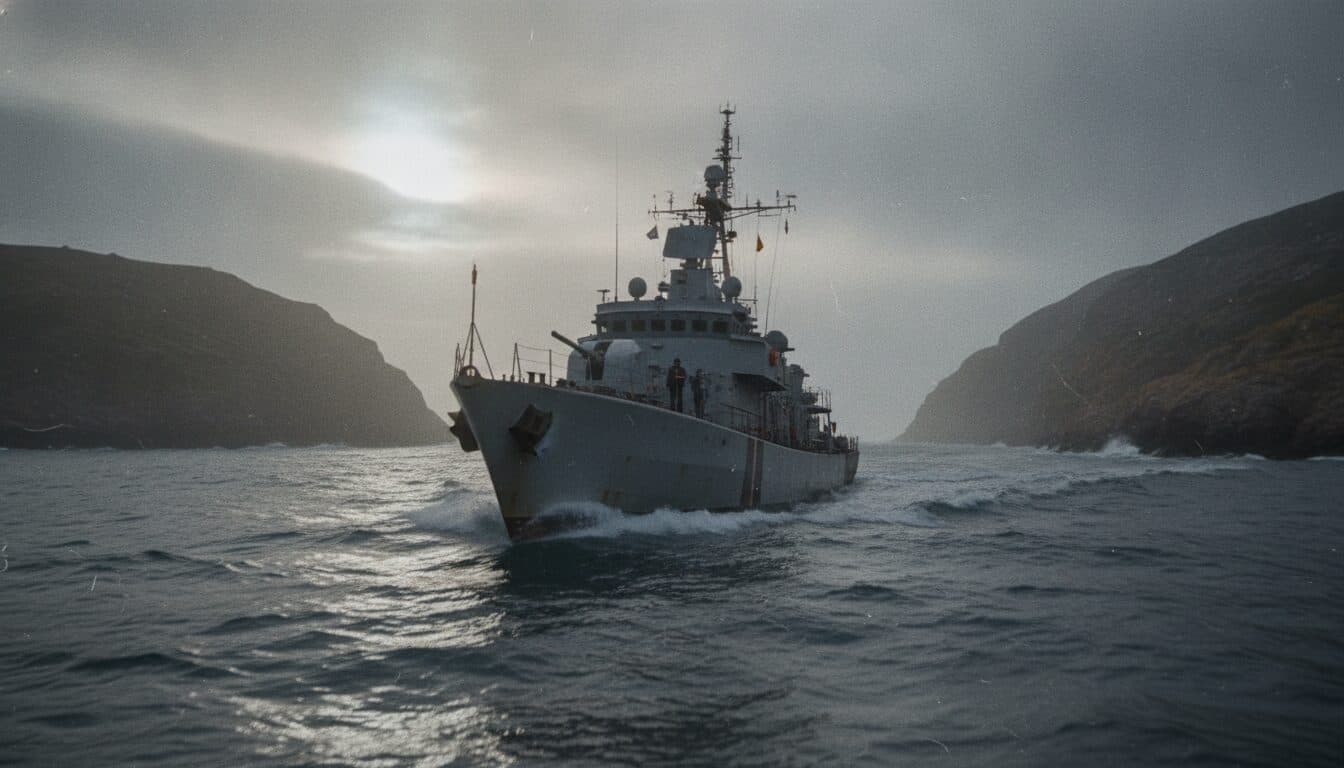
Adding another layer of complexity to the US Escalates Iran Conflict, President Trump announced a pivotal policy reversal: the reinstatement of a naval blockade in the Strait of Hormuz, effective 4 p.m. ET on Tuesday, July 14, 2026. Trump declared the U.S. would “keep the Strait” and “probably run it,” positioning the United States as “THE GUARDIAN OF THE HORMUZ STRAIT.” In a move with immediate and substantial economic ramifications, he also proposed a 20% fee for countries relying on oil transit through the strait, intended to cover “any and all costs necessary” for U.S. protection. Details on the administration of this fee have yet to be released by the White House. This development follows Trump’s formal notification to Congress last week that U.S.-Iran hostilities had resumed.
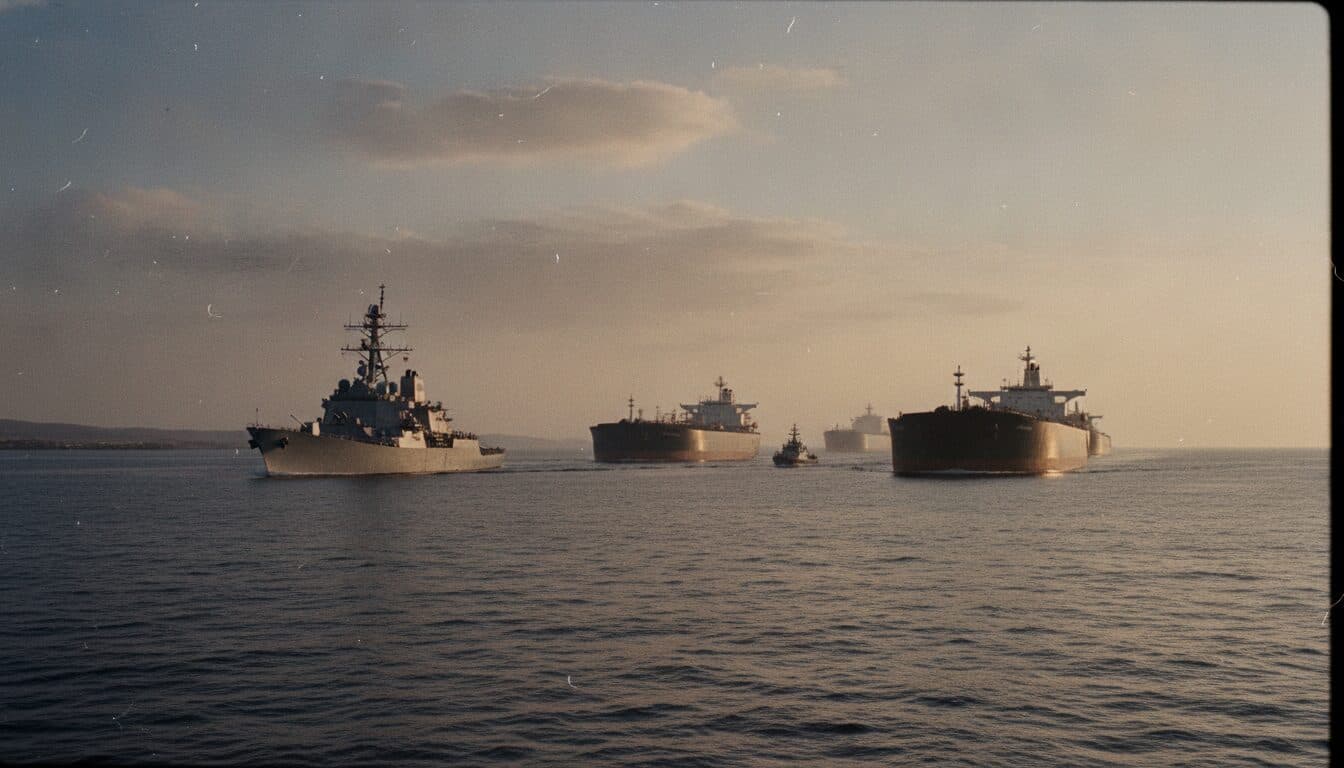
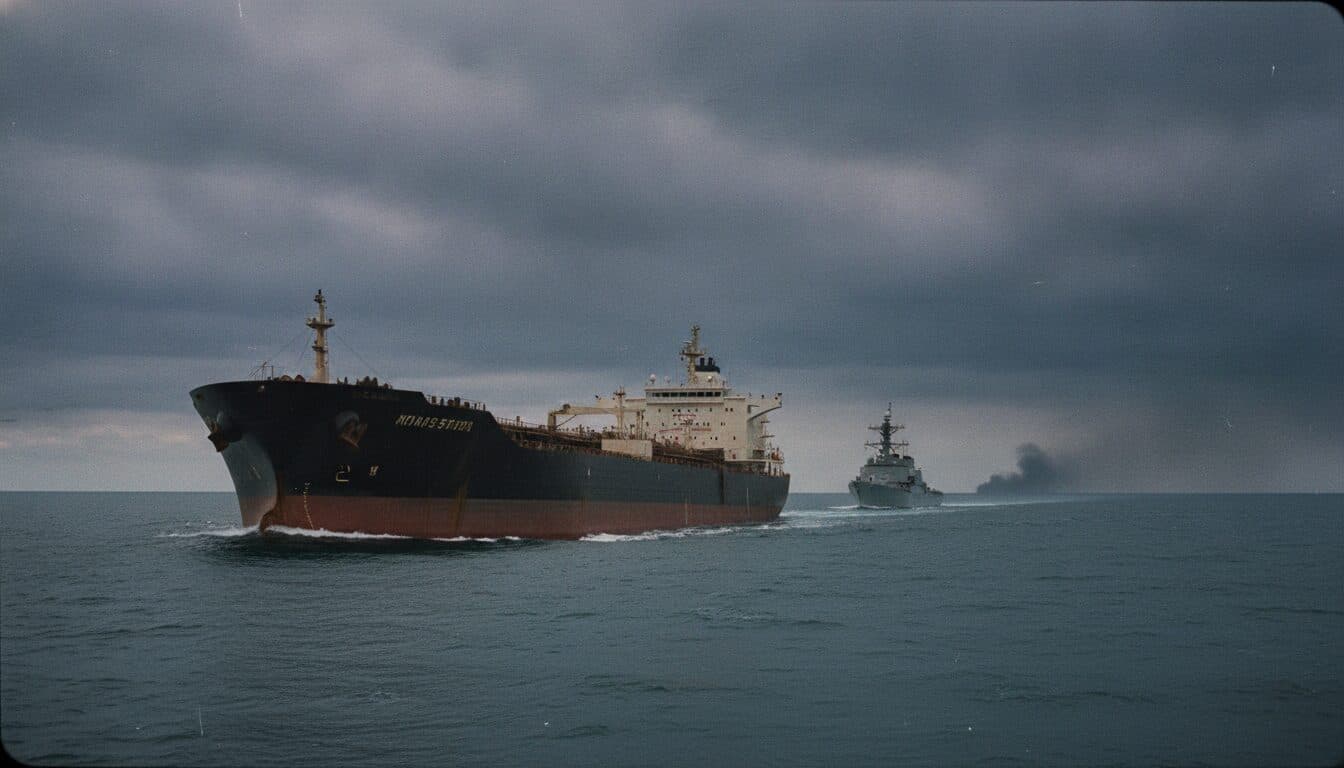
Iran’s response has been swift and widespread, with retaliatory attacks reported across the Gulf. The Iranian Revolutionary Guard Corps (IRGC) claimed strikes against U.S. military facilities in Bahrain and Oman, specifically stating the destruction of radar systems in Oman and targeting U.S. military infrastructure in Juffair, Bahrain. Jordan’s military intercepted four Iranian missiles over its airspace, while Kuwait reported responding to “hostile aerial targets” and an offshore drilling platform being hit by a drone. Further exacerbating tensions, two UAE-linked tankers, the Mombasa and Al Bahiyah, were struck by two Iranian cruise missiles in Omani waters within the southern lane of the Strait of Hormuz. This attack tragically resulted in one fatality, an Indian crew member, and eight injuries, including six Indians and two Ukrainians. The UAE has since vowed retaliation.
“The reinstatement of the Hormuz blockade and the proposed transit fees represent a seismic shift in global energy geopolitics, with immediate and profound implications for oil prices and supply chain stability.”
Iranian officials have vehemently rejected U.S. claims to the Strait of Hormuz. Iran’s top joint military command and Foreign Minister Abbas Araqchi asserted that Tehran would “forever” be the guardian of the strait and would not permit U.S. intervention. Araqchi also offered a sarcastic retort to Trump’s proposed 20% fee, stating, “20% is of course too much. We will be fair.” Iranian media, for its part, reported explosions in the port city of Bandar Abbas, Kish and Qeshm islands, and Abu Musa Island shortly after the U.S. announced renewed strikes, suggesting further internal disruptions.
The Strait of Hormuz is an indispensable chokepoint, through which approximately one-fifth of the world’s oil and a significant portion of its natural gas supplies transit daily. The renewed hostilities have predictably sent Brent crude oil prices climbing past $85 a barrel, though still below the nearly $120 peak observed during previous periods of heightened conflict. Analysts are cautioning that a sustained blockade could lead to an intensified campaign of attacks on commercial vessels, further jeopardizing global shipping and energy security. The current situation effectively nullifies the ceasefire that was in place from an interim agreement between Iran and the U.S., raising concerns among regional mediators like Qatar and Oman, who have actively worked to de-escalate tensions.
Looking ahead, the immediate future is fraught with uncertainty. The White House’s lack of detail on the 20% transit fee mechanism leaves oil importers and shipping companies in limbo, facing potential new costs and logistical hurdles. The U.S. commitment to being “THE GUARDIAN OF THE HORMUZ STRAIT” suggests a long-term, perhaps permanent, military presence and intervention in the region’s most critical waterway. Investors and businesses must brace for continued volatility in energy markets and potential disruptions to global trade routes. The risk of miscalculation by either side remains high, with the potential for the conflict to broaden beyond the immediate Gulf region. The international community will be closely watching for any diplomatic overtures, though the current rhetoric from both Washington and Tehran suggests a hardening of positions. For more on regional developments, see related trending articles.
The current escalation underscores a critical juncture for global stability and economic prosperity. The US Escalates Iran Conflict, the imposition of transit fees, and the direct attacks on shipping in the Strait of Hormuz are not merely geopolitical maneuvers; they are direct threats to the arteries of the global economy, demanding urgent attention from policymakers and strategic adjustments from businesses worldwide.