The global economy holds its breath as US envoys Steve Witkoff and Jared Kushner arrive in Pakistan to resume critical talks with Iranian Foreign Minister Abbas Araghchi. These discussions, aimed at de-escalating tensions surrounding the Strait of Hormuz, carry immense weight given the waterway’s effective closure since February 28, 2026, and the ensuing ripple effects across international oil markets and regional stability.
The White House confirmed the diplomatic push on Saturday, April 25, 2026, expressing hope for a “productive conversation” to forge a much-needed deal. This initiative unfolds against a backdrop of continued Israeli strikes in Lebanon, despite a recently extended ceasefire, underscoring the broader geopolitical volatility in the Middle East. Pakistan has played a crucial mediating role in facilitating these renewed negotiations, which had previously stalled.
Key Players in the Iran Strait Dialogue
Leading the American delegation are two figures with unconventional diplomatic backgrounds. Steve Witkoff, appointed United States Special Envoy to the Middle East in 2025 by President Donald Trump, is a real estate developer whose diplomatic portfolio has expanded rapidly. He has served as Special Envoy for Peace Missions since July 2025, working alongside Jared Kushner since 2026. Witkoff has been instrumental in significant geopolitical negotiations, including brokering ceasefire and hostage exchanges between Israel and Hamas in January and October 2025, and engaging in efforts to resolve the Russia-Ukraine War.
Jared Kushner, President Trump’s son-in-law, returns to a formal diplomatic role as Special Envoy for Peace in February 2026, having served in an informal advisory capacity since 2025. During the first Trump administration, he was central to the Middle East Peace Process, authoring the Trump peace plan and facilitating the Abraham Accords in 2020. His current involvement in negotiations concerning the Gaza war, the Russian invasion of Ukraine, and Iran’s nuclear program has drawn scrutiny, particularly due to his private equity firm, Affinity Partners, receiving substantial funding from Saudi Arabia, Qatar, and the United Arab Emirates, raising concerns about potential conflicts of interest.
Representing Iran is Foreign Minister Abbas Araghchi, a veteran diplomat appointed in August 2024. With over three decades of experience, Araghchi is renowned for his extensive engagement with Western nations, particularly on Iran’s nuclear capabilities. He was a critical architect of the 2015 Joint Comprehensive Plan of Action (JCPOA) and has been central to efforts to revive it. Araghchi’s current trip includes stops in Oman and Russia, coordinating on bilateral matters and regional developments, signaling a broader diplomatic offensive by Tehran.
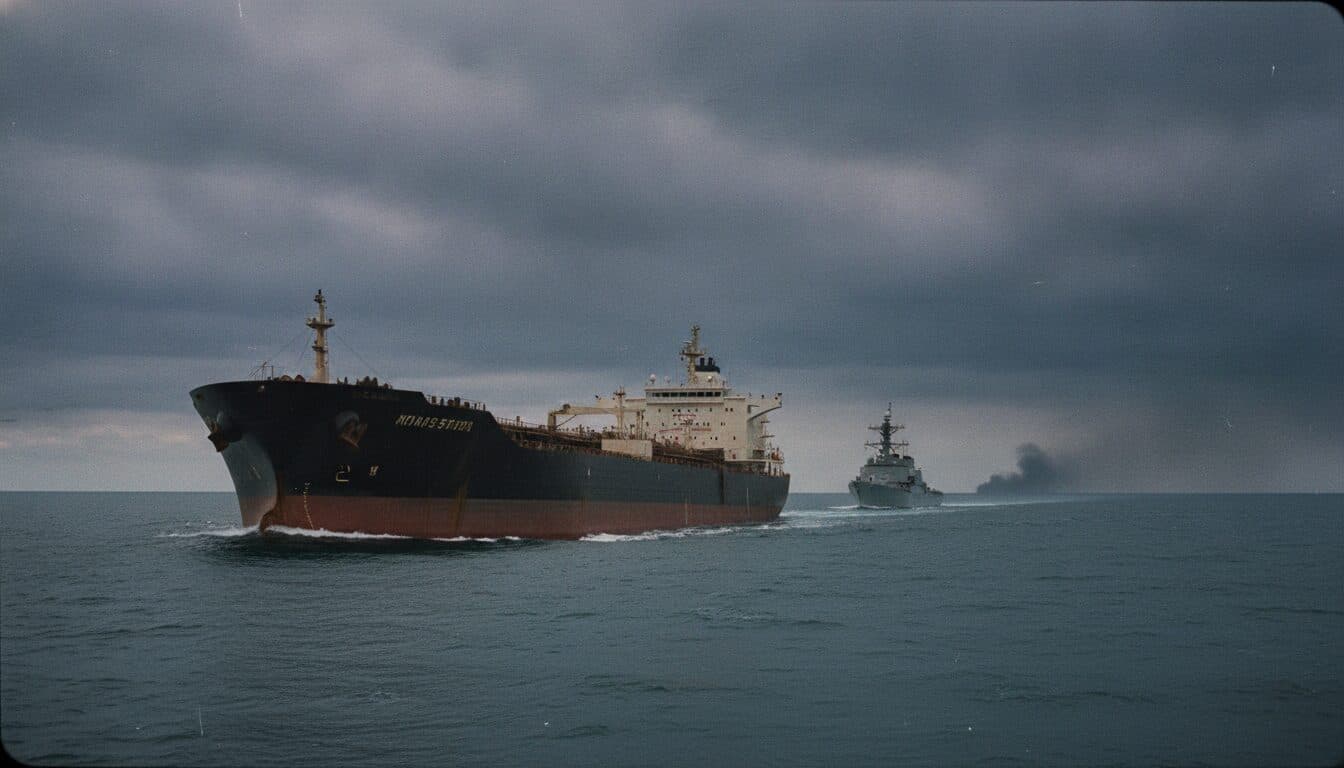
The stakes of these talks are exceptionally high. The Strait of Hormuz, through which a significant portion of the world’s oil and natural gas transits, has been effectively closed to most shipping since late February 2026. This followed a series of US and Israeli strikes against Iran, purportedly aimed at inducing regime change and targeting Iran’s nuclear and ballistic missile programs. Iran retaliated by closing the strait and has since maintained a “stranglehold” on traffic, attacking three ships earlier this week.
In response, the U.S. has implemented a counter-blockade, targeting all ships attempting to reach Iranian ports. President Trump has authorized military forces to “shoot and kill” small boats suspected of laying mines. Secretary of War Pete Hegseth reported that 34 Iranian ships have been turned back, and a second U.S. aircraft carrier is expected to join the blockade. Hegseth underscored that the U.S. is not solely responsible for the strait’s security, calling on European and Asian allies to contribute given their reliance on the route.
The diplomatic impasse is clear: Iran demands the U.S. lift its blockade of Iranian ports before resuming talks, while the U.S. insists on verifiable assurances that Tehran will end its nuclear program and lift its own blockade of the Strait of Hormuz. Reports suggest Iran is considering diluting its highly enriched uranium stockpile as part of a potential new agreement. Meanwhile, the U.S. military is developing new battle plans, including options to strike Iranian targets around the Strait of Hormuz, the southern Arabian Gulf, and the Gulf of Oman, specifically focusing on assets that enable Iran to disrupt maritime traffic.
The economic impact of the Strait of Hormuz closure is already profound. Global oil prices have surged, creating inflationary pressures and supply chain disruptions worldwide. Industries reliant on steady energy supplies, from manufacturing to transportation, face escalating costs and uncertainty. Investors are closely monitoring the situation, with volatility in energy markets and a broader risk-off sentiment prevailing. The prolonged closure threatens to destabilize economies and could trigger a global recession if not resolved swiftly.
“The Strait of Hormuz is not just a choke point for oil; it’s a barometer for global economic confidence,” commented a senior analyst at a major investment bank. “A sustained closure or military confrontation would send shockwaves far beyond the Middle East, impacting every consumer and every business.”
This critical juncture follows years of escalating tensions between Washington and Tehran, particularly since the U.S. withdrawal from the JCPOA in 2018. Subsequent sanctions, proxy conflicts, and military posturing have consistently threatened regional stability. The current situation in the Strait of Hormuz represents a dangerous culmination of these dynamics, with the immediate trigger being the US-Israeli strikes and Iran’s retaliatory closure of the vital waterway.
Looking ahead, the success of the talks in Pakistan hinges on the ability of Witkoff and Kushner to find common ground with Araghchi. The immediate goal is a ceasefire and a path to reopening the Strait of Hormuz. Longer-term, the discussions aim to address Iran’s nuclear program and regional destabilizing activities. Experts suggest that a phased approach, perhaps involving a partial lifting of blockades concurrent with verifiable nuclear concessions, might be the most viable path forward. However, the deep mistrust and maximalist demands from both sides present formidable obstacles.
For investors and global citizens, the key takeaway is the immense fragility of the global energy supply chain and the profound economic consequences of geopolitical flashpoints. A successful diplomatic resolution to the Iran Strait standoff would not only avert a potential military conflict but also provide a much-needed boost to global economic stability, potentially easing inflationary pressures and restoring confidence in international trade routes. Failure, however, could plunge the world into a deeper economic crisis and further entrench regional conflict. The eyes of the world are now fixed on Islamabad, hoping for a breakthrough that can reopen the Strait of Hormuz and de-escalate these dangerous tensions.