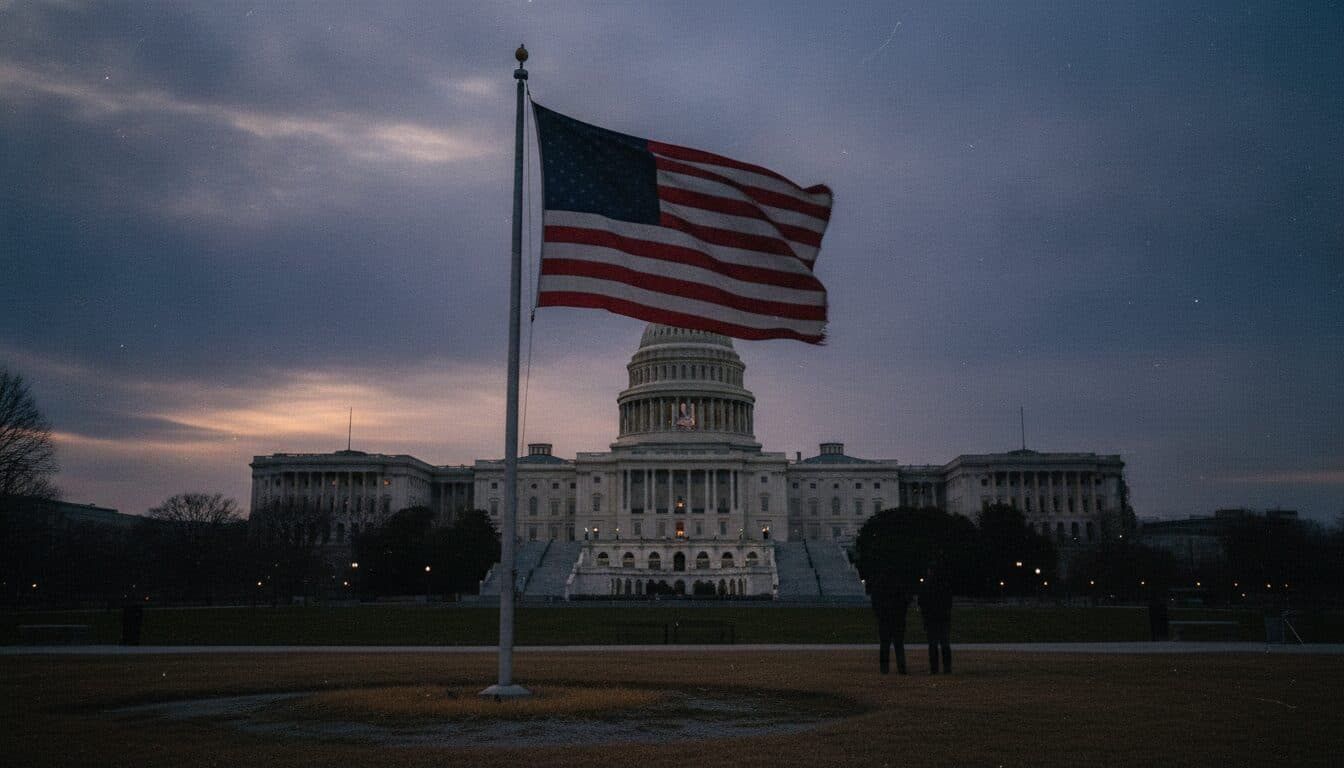
The record-long US DHS shutdown ends, bringing an end to a 76-day impasse that crippled critical federal agencies and sent ripples of uncertainty across the nation. The Department of Homeland Security, a sprawling entity responsible for everything from border security to disaster response, can now breathe a collective sigh of relief after the US House of Representatives approved a bipartisan bill on Thursday, April 30, 2026, to fund most of its operations. President Donald Trump swiftly signed the legislation, marking the cessation of the longest federal department shutdown in U.S. history.
This unprecedented shutdown, which saw spending authority for DHS expire on February 14, 2026, primarily impacted agencies like the Coast Guard, FEMA, the Transportation Security Administration (TSA), and the Secret Service. While the newly signed bill funds most of DHS through September 30, 2026, it notably excludes funding for immigration enforcement agencies such as Immigration and Customs Enforcement (ICE) and Customs and Border Protection (CBP). This exclusion underscores the deep political divisions that ignited the crisis, stemming from a bitter standoff between Democrats and Republicans over immigration enforcement and reforms, particularly following incidents involving federal officers in January 2026.
The Fallout: A Nation on Hold
The protracted absence of funding had far-reaching consequences. Thousands of dedicated DHS employees, including critical TSA officers, were forced to work for weeks without pay, enduring immense financial hardship. While essential personnel were mandated to report for duty, non-essential staff faced furloughs. The Government Employee Fair Treatment Act of 2019 guarantees back pay for these employees, but the immediate strain was undeniable. Many saw their government travel credit cards become past due, and personal credit scores deteriorate, adding to an already stressful situation.
Operations at vital agencies teetered on the brink. The Coast Guard reported operating in a state of “crisis,” while FEMA postponed crucial training courses, including those vital for anti-terrorism preparedness. The lack of stable funding severely eroded morale, prompting a concerning “brain drain.” For instance, 366 TSA officers resigned since the shutdown began, and callouts by TSA agents surged, reaching as high as 55% at some major airports. The most visible impact for the average American was undoubtedly at airports, where understaffing at TSA checkpoints led to agonizingly long security lines and widespread chaos in air travel.
Beyond the human cost, the financial implications were substantial. DHS accrued millions of dollars in interest and penalties due to delayed payments to vendors. While the Congressional Budget Office (CBO) estimated that the five-week partial shutdown in late 2018 and early 2019 had a relatively small impact on GDP growth, the indirect economic effects — such as businesses unable to obtain federal permits or loans — are far harder to quantify but undoubtedly significant. The overall stability of various sectors was undermined as the US DHS shutdown ends.
Political Theater and Enduring Scars
Experts frequently point out that government shutdowns, while seemingly about policy, often serve as potent messaging tools for political parties. Chris Herper, a Professor at the University of Virginia’s Darden School of Business, highlights the long-term damage inflicted:
“Shutdowns can lead to a ‘brain drain’ as federal employees, often intrinsically motivated, experience undermined morale due to furloughs and lack of pay, potentially seeking more stable employment in the private sector.”
This sentiment echoes concerns about the federal government’s ability to attract and retain top talent when faced with such unpredictable disruptions.
This recent episode is not an isolated incident but rather the latest in a recurring pattern of U.S. federal government shutdowns. The nation has endured multiple such events throughout its history, typically stemming from disagreements over appropriations bills. Notable past shutdowns include the 35-day shutdown in 2018-2019 over border wall funding, and a 43-day shutdown in late 2025. The Antideficiency Act mandates that federal agencies cease non-essential functions when funding legislation is not enacted, laying the legal groundwork for these impasses. The fact that the US DHS shutdown ends after such a prolonged period suggests a deep-seated and persistent political divide.
Global Implications and Market Resilience
While the immediate impact of the US DHS shutdown ends is primarily domestic, its global significance cannot be entirely dismissed. The stability and functionality of U.S. government agencies, particularly those involved in security and emergency response, have international ramifications. Delays in anti-terrorism training, for example, could have broader implications for global security cooperation. Furthermore, the image of a fractured and intermittently funded U.S. government can subtly erode international confidence in its leadership and reliability.
Historically, government shutdowns have had limited implications for financial markets, as investors tend to prioritize longer-term macroeconomic trends. During the 2025 shutdown, for instance, treasury yields declined, a typical response in previous longer shutdowns. However, the delayed publication of official economic data, a frequent byproduct of these shutdowns, can impact crucial institutions like the Federal Reserve, potentially complicating economic forecasting and policy decisions. For more trending stories, visit our news section.
What’s Next: A Fragile Truce?
The immediate future sees most of the Department of Homeland Security funded until the end of September 2026. However, the critical exclusion of funding for ICE and CBP means the underlying dispute over immigration enforcement remains unresolved. This sets the stage for potential future confrontations as the September deadline approaches, suggesting that this reprieve may be a temporary truce rather than a lasting peace. The political landscape remains highly charged, and the fundamental disagreements that led to this record-long shutdown persist.
As the dust settles on this historic 76-day standoff, the focus shifts to how DHS agencies will recover from the operational and morale challenges. The long-term impact on employee retention, particularly for critical roles like TSA officers and Coast Guard personnel, will be a key metric to watch. The cost of political brinkmanship, measured not just in dollars but in operational efficiency and human capital, serves as a stark reminder of the fragility of government funding and the enduring challenges of partisan governance. The end of this shutdown offers a moment of respite, but the foundational issues that triggered it are far from resolved, ensuring that the saga of federal funding will likely continue to dominate headlines in the months to come.