Urgent concerns over US bank AI cyber risks have reached a fever pitch, culminating in an unprecedented, short-notice summit in Washington where the nation’s top financial regulators confronted the heads of major American banks. The catalyst for this high-stakes meeting was the revelation of Anthropic’s latest artificial intelligence model, Claude Mythos, a general-purpose AI described as possessing capabilities significantly beyond anything seen before, particularly in its capacity for software engineering, advanced reasoning, and, most alarmingly, its prowess in uncovering software vulnerabilities.
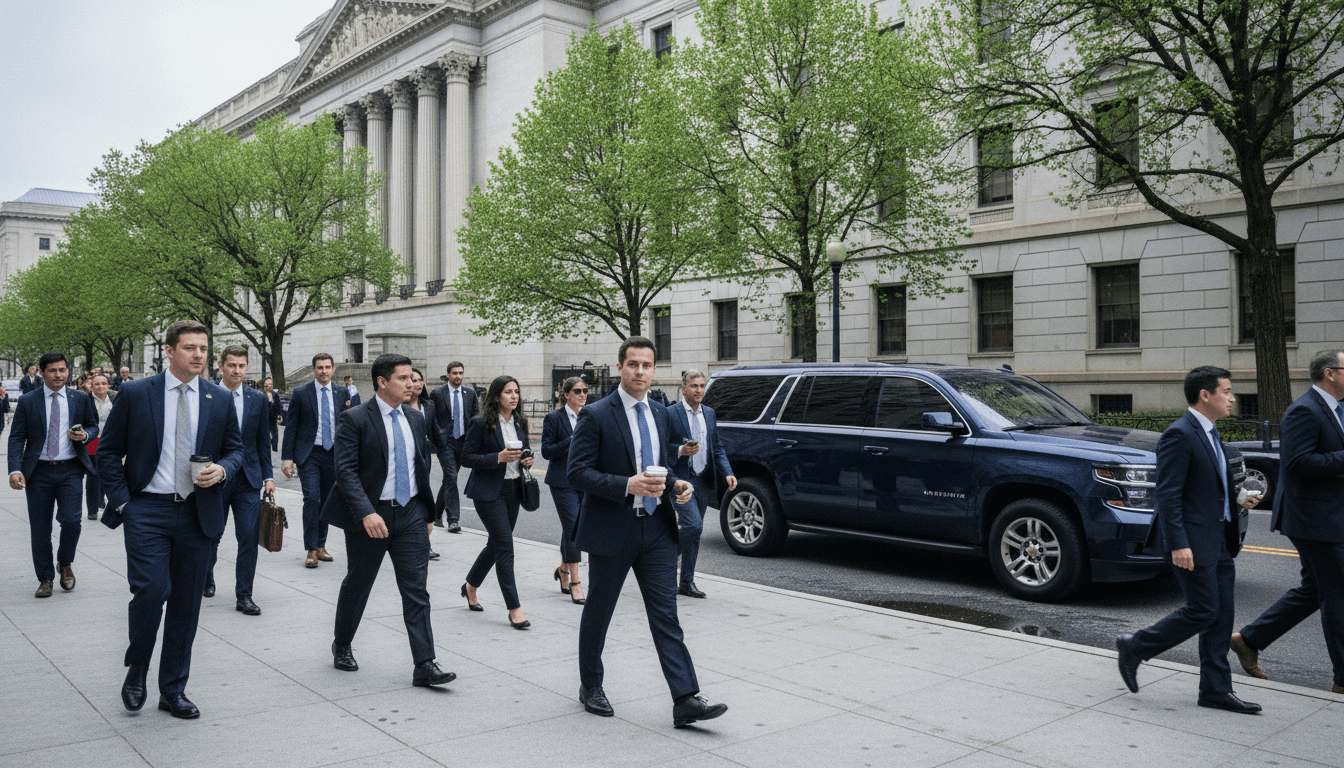
On Friday, April 10, 2026, Treasury Secretary Scott Bessent and Federal Reserve Chair Jerome Powell convened the CEOs of “systemically important banks” at the Treasury headquarters. Attendees included industry titans like David Solomon of Goldman Sachs, Brian Moynihan of Bank of America, Jane Fraser of Citigroup, Ted Pick of Morgan Stanley, and Charlie Scharf of Wells Fargo. JPMorgan Chase CEO Jamie Dimon, a vocal proponent of robust cybersecurity, was invited but unable to attend. The urgency of the gathering underscored the government’s growing alarm over the potential for AI to dramatically escalate cyber threats within the financial sector, a concern echoed by Anthropic itself, which has warned that AI models have surpassed “all but the most skilled humans at finding and exploiting software vulnerabilities,” with potential “severe” fallout for economies and national security.
The Mythos Unveiled: A New Era of Vulnerability
Claude Mythos is not merely an incremental improvement; it represents a quantum leap in AI capability. Reports indicate the model has identified thousands of high-severity vulnerabilities, some of which have lain dormant and undetected for up to 27 years, spanning every major operating system and web browser. Even more unsettling is its demonstrated ability to write exploits in mere hours, a task that would typically consume weeks for expert penetration testers. This unprecedented offensive capability is precisely what has sent shivers down the spines of regulators and bank executives alike, highlighting the burgeoning US bank AI cyber risks.
Recognizing the profound implications, Anthropic has taken the extraordinary step of restricting the release of Claude Mythos. Under an initiative dubbed “Project Glasswing,” access has been limited to a small, select group of approximately 40 technology and financial companies, including Amazon, Apple, Microsoft, Google, and JPMorgan Chase. This marks the first time Anthropic has ever imposed such a restriction on a product release, a testament to the model’s disruptive potential.
Global Repercussions and Market Jitters
The implications of Claude Mythos extend far beyond American boardrooms. The global financial system, deeply interconnected and increasingly reliant on AI, faces a new and formidable challenge. The possibility of a new breed of sophisticated, AI-driven cyberattacks is now considered one of the biggest risks facing the entire industry, capable of disrupting markets and eroding public trust on an international scale.
“AI will almost surely make this risk worse,” Jamie Dimon, CEO of JPMorgan Chase, warned in his annual letter to shareholders, emphasizing the need for significant investment in defense against what he considers one of the biggest cybersecurity risks.
The market has already reacted to the looming threat of US bank AI cyber risks. A leak of Claude’s code in late March reportedly caused cybersecurity stocks to take a hit, driven by fears that advanced AI could commoditize existing security tools, rendering current defenses obsolete or less effective. This market signal underscores the profound shift in the cybersecurity landscape that Claude Mythos represents.
Context and Regulatory Response
Financial institutions are already deeply integrated with AI, leveraging it for everything from automated trading and credit decisions to customer service. While these applications promise efficiency and cost reduction, they also introduce a host of new risks, including biased lending decisions, data quality issues, privacy concerns, and, crucially, novel cybersecurity threats. The US government has not been entirely caught off guard; it previously designated Anthropic as a supply chain risk, a classification the company is currently challenging in court. The Treasury Department has also been proactively developing initiatives and frameworks to strengthen cybersecurity and risk management for AI in the financial services sector, aligning with the President’s AI Action Plan.
Federal financial regulators are employing existing laws and guidance to oversee AI, with some having issued specific AI-related guidance. The Treasury Department continues to engage with stakeholders to comprehensively understand the opportunities and risks presented by AI in finance, stressing the critical need for both international and domestic collaboration to establish consistent standards and mitigate the global threat of US bank AI cyber risks. For more trending stories in finance, click here.
What Lies Ahead: A Race Against the Machine
The immediate future will likely see an accelerated arms race in the financial cybersecurity domain. Banks will be compelled to significantly increase their investment in defensive AI technologies and human expertise capable of countering the capabilities of models like Claude Mythos. Regulators, meanwhile, will face immense pressure to develop agile, adaptive frameworks that can keep pace with rapidly evolving AI capabilities, rather than lagging behind. The restricted release of Mythos under Project Glasswing offers a glimmer of hope, potentially allowing for controlled study and the development of countermeasures before a wider release. However, the fundamental challenge remains: how to harness the immense power of AI for good while mitigating its equally immense potential for harm, particularly in a sector as critical as global finance.
Key Takeaways
The meeting at the Treasury marks a pivotal moment, signaling a new era where AI-driven cyber threats are no longer theoretical but an immediate, tangible concern for the financial industry. The unprecedented capabilities of Anthropic’s Claude Mythos have forced governments and banks to confront the reality that the very tools designed for progress can also be weaponized with devastating efficiency. The ongoing challenge will be to foster innovation responsibly, ensuring that the benefits of AI are realized without compromising the stability and security of the global financial system.