Critical UN Watchdog Iran Nuclear Attacks are escalating concerns over nuclear safety and regional stability, as the International Atomic Energy Agency (IAEA) expresses “deep concern” over recent incidents at the Bushehr Nuclear Power Plant. This marks the fourth reported strike near Iran’s sole operational nuclear power facility in recent weeks, occurring amidst a broader US-Israeli offensive against Iran that commenced on February 28, 2026. The implications for global energy markets and international security are profound.
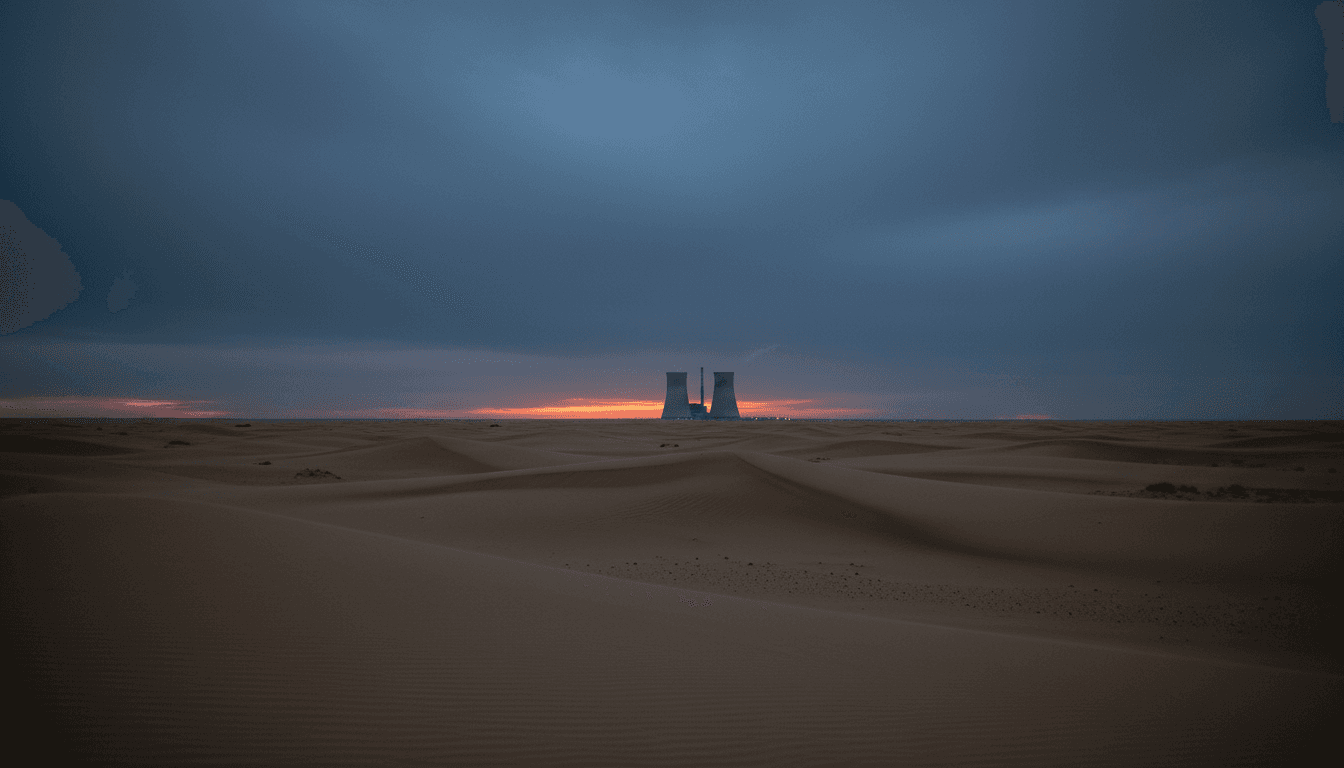
The latest incident on Saturday, April 4, 2026, resulted in the tragic death of one member of the plant’s physical protection staff, killed by a projectile fragment. An auxiliary building on the site also sustained damage from shockwaves and fragments, underscoring the immediate dangers posed by these hostilities. While the IAEA has confirmed no increase in off-site radiation levels, the proximity and frequency of these attacks are ringing alarm bells across the international community.
Escalating UN Watchdog Iran Nuclear Attacks
IAEA Director General Rafael Mariano Grossi has issued stern warnings, repeatedly emphasizing that nuclear power plant sites or nearby areas “must never be attacked.” Grossi highlighted that auxiliary buildings, even if not directly housing reactors, may contain vital safety equipment crucial for preventing a major radiological accident. He has called for “maximum restraint” from all parties involved, underscoring the catastrophic potential of any miscalculation or escalation.
These recent strikes on Bushehr follow a pattern of targeted attacks against Iran’s nuclear infrastructure. In June 2025, other Iranian nuclear facilities, including Fordow, Natanz, and Isfahan, sustained significant damage from US and Israeli strikes. These earlier operations were reportedly aimed at degrading Iran’s uranium enrichment capabilities. The precision of these past operations suggests a deep penetration of intelligence into Iran’s nuclear program, particularly by Mossad, a factor that only adds to the complexity and danger of the current situation.
“Nuclear power plant sites or nearby areas must never be attacked. Auxiliary buildings may contain vital safety equipment.”
Expert perspectives warn that such attacks could be counterproductive, potentially pushing Iran to pursue a clandestine nuclear weapons program, a scenario the international community has long sought to prevent. Despite the extensive damage inflicted by previous strikes, experts note that Iran’s nuclear program has not been completely eliminated, and some infrastructure remains intact. The current status and location of Iran’s highly enriched uranium (HEU) stockpile also remain unclear, adding another layer of uncertainty to the volatile situation.
Global Repercussions and Market Instability
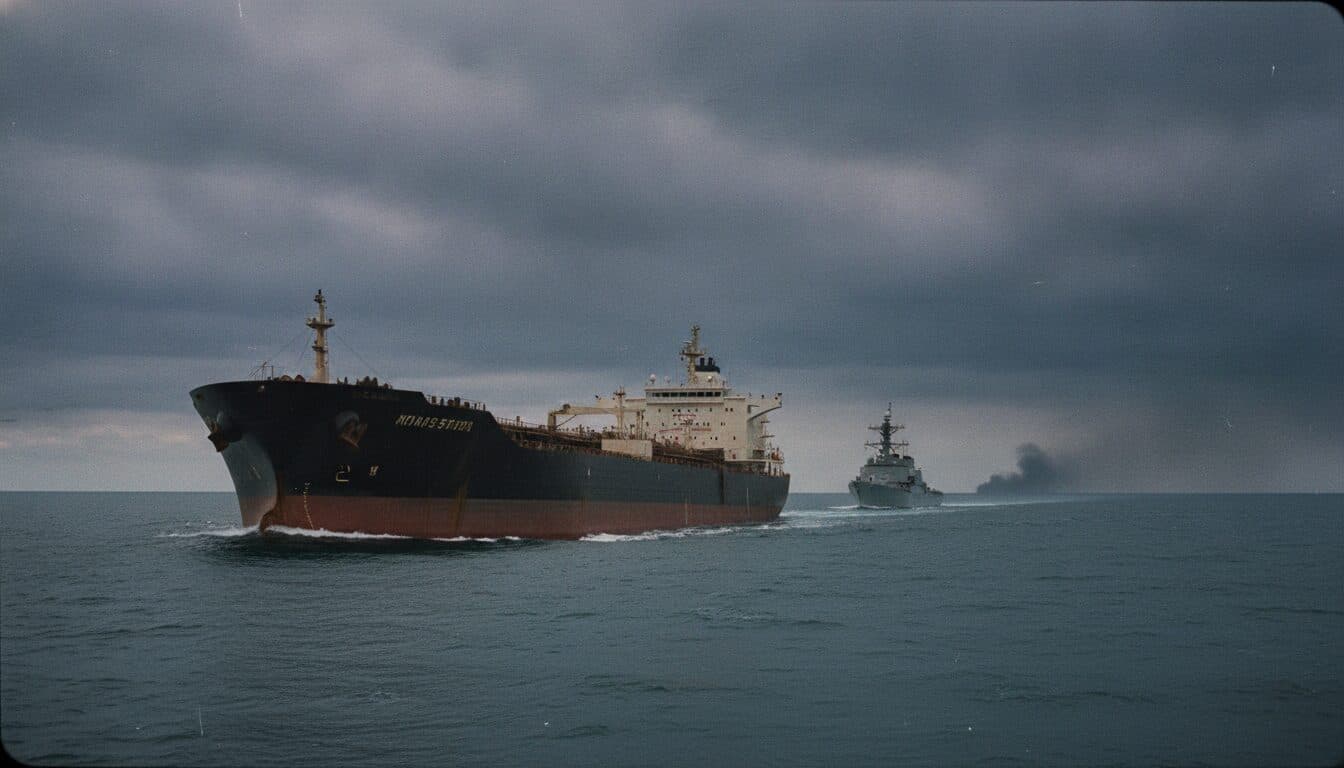
The escalating conflict and the targeting of critical infrastructure, particularly nuclear facilities, are significantly contributing to heightened geopolitical instability in the Middle East. This precarious situation inevitably leads to increased volatility in global energy markets and can severely impact investor confidence in the entire region. While specific market data directly related to these recent UN Watchdog Iran Nuclear Attacks is not immediately available, historical tensions involving Iran have consistently influenced global oil prices. Concerns about disruptions to vital shipping lanes, such as the Strait of Hormuz, have always been a primary driver of these market fluctuations, and the current climate only exacerbates these fears. Investors and analysts are closely monitoring developments, aware that any further escalation could trigger significant economic ripple effects worldwide. For more trending stories on global market impacts, visit our dedicated section.
Historical Context and Future Implications
Iran has consistently maintained that its nuclear program is for civilian purposes, a claim met with international suspicion following the discovery of undeclared enrichment sites in 2002. In response to previous acts of sabotage, Iran established the Nuclear Security and Protection Corps in March 2022, a unit of the Islamic Revolutionary Guard Corps (IRGC) dedicated to safeguarding its nuclear facilities. The current attacks are occurring within the broader context of a US-Israeli war on Iran, which began on February 28, and has seen both sides exchanging missile and drone attacks.
Iran’s Foreign Minister Abbas Araghchi has vehemently condemned the Bushehr strikes, drawing direct parallels to the international outrage over hostilities near Ukraine’s Zaporizhzhia Nuclear Power Plant. This comparison highlights the universal concern regarding the safety of nuclear facilities during wartime and the potential for widespread environmental and humanitarian catastrophe. The international community is now grappling with how to de-escalate the conflict while ensuring nuclear safety and preventing further humanitarian crises.
What’s next for the region and global stability hinges on the ability of international diplomacy to intervene and enforce restraint. The IAEA’s continued monitoring and warnings are critical, but without a broader political solution, the risk of a major radiological incident or further escalation of the US-Israeli war on Iran remains alarmingly high. All eyes are on Tehran, Washington, and Jerusalem, as the world holds its breath for a resolution to these dangerous UN Watchdog Iran Nuclear Attacks.