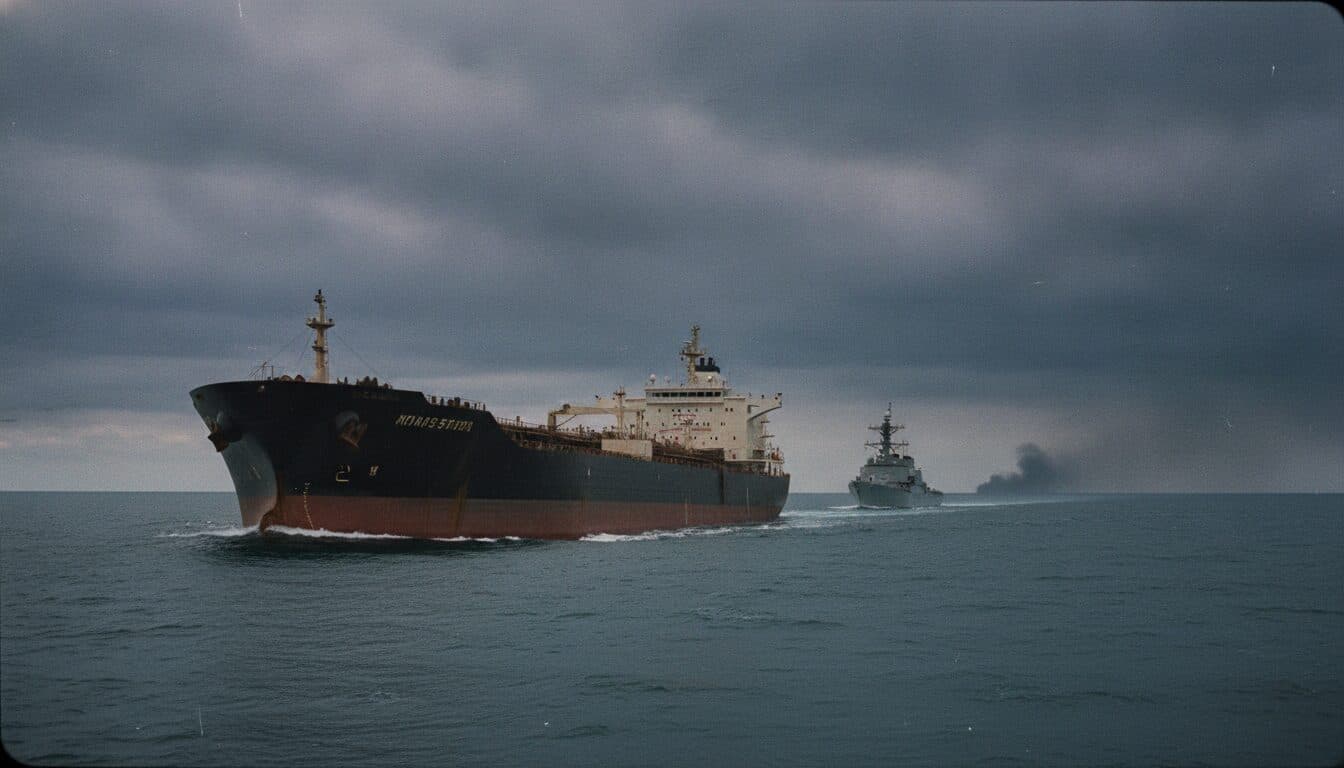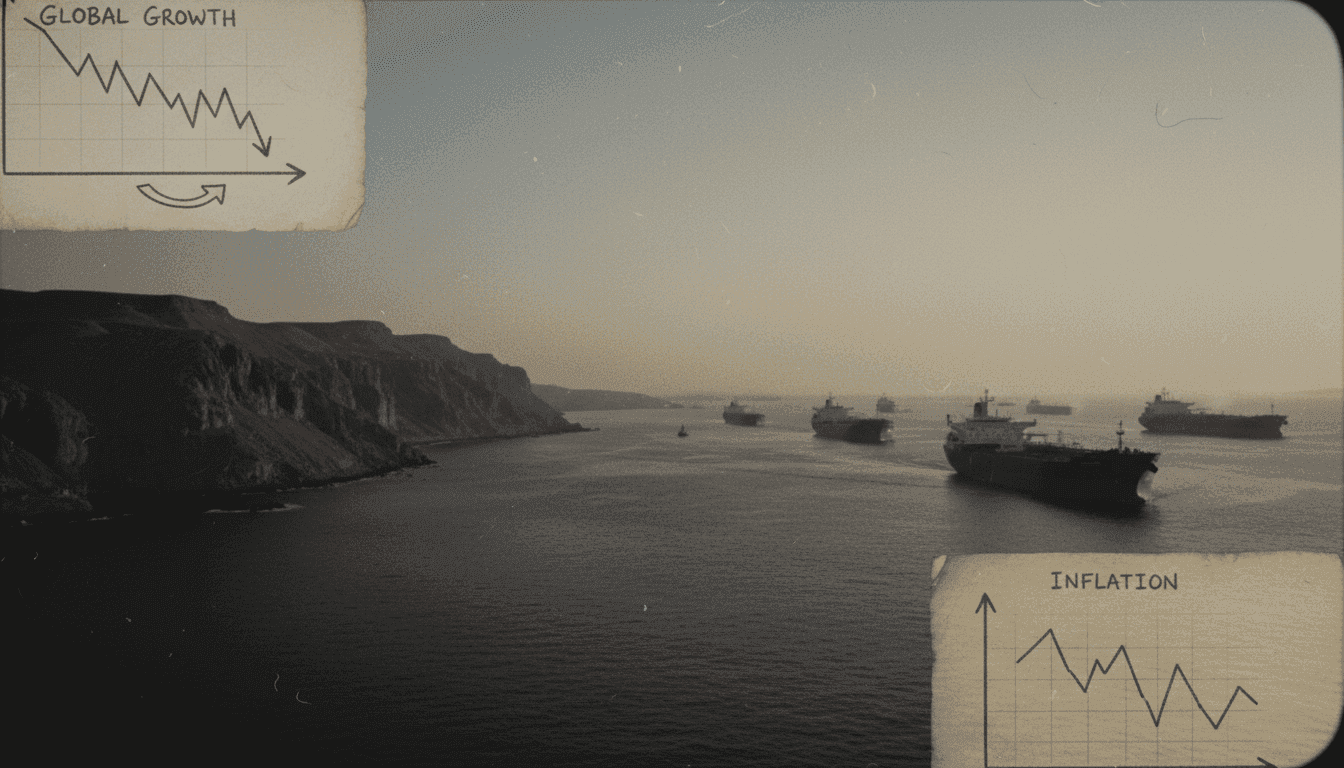
The global economic outlook has darkened considerably, with the United Nations significantly lowering its 2026 global growth forecast to 2.5%, a notable decrease from the 2.7% projected just four months ago. This revision, announced on Tuesday, May 19, 2026, is a direct consequence of the escalating conflict in the Middle East and its profound impact on energy markets, threatening to usher in one of the weakest expansions of this century.
The UN’s revised projection paints a stark picture of economic vulnerability. This 2.5% growth rate is a considerable drop from the pre-conflict forecast of 3.4%, underscoring the systemic shock reverberating through the world economy. Accompanying this deceleration in growth is an upward revision of the global inflation estimate for 2026, now standing at 3.9% from the previous 3.1%. Developing economies are expected to bear the brunt, with their inflation projected to average 5.2%, up from 3.9%.
At the heart of this economic turbulence is the unprecedented disruption to energy supplies. The International Energy Agency has termed it the “largest supply disruption in the history of the global oil market,” a sentiment echoed by the UN, which describes it as “among the largest in modern history.” The pivotal event triggering this crisis was the closure of the Strait of Hormuz on February 28, 2026, following US and Israeli air strikes against Iran. This critical choke point, through which approximately one-fifth of the world’s oil and natural gas supplies normally transit—and historically 25% of seaborne oil and 20% of global LNG—has effectively severed a vital artery of global commerce.
Global Growth Forecast Revised Downward
The immediate impact on oil prices has been severe. Brent crude surged past $120 per barrel after the Strait’s closure. The UN’s forecasts now assume oil prices will remain above $100 a barrel until mid-2026, before gradually falling towards $80 a barrel in the second half. However, a more adverse scenario, where prices surge above $150 before declining to $100 by year-end, could further depress global economic growth to a mere 2.1%.
The repercussions extend far beyond energy. Developing economies, already grappling with existing challenges, face intensified pressures from soaring fuel and transport costs, widespread trade disruptions, and tightening financial conditions. The humanitarian cost is equally alarming, with the UN estimating that an additional 45 million people could be pushed into “acute food insecurity” if the conflict persists. The International Labour Organization (ILO) has issued a dire warning, predicting the elimination of 43 million jobs globally by 2027 and a significant reduction in real wages. Global working hours could decline by 0.5% in 2026 and 1.1% in 2027 if oil prices remain 50% above pre-conflict levels.
Regionally, Western Asia, excluding Iran, is anticipated to suffer the most significant economic losses due to plummeting energy exports and a sharp decline in tourism. Its growth forecast has been drastically lowered to 1.4% from 4.1%, signaling what some analysts describe as a systemic collapse of the Gulf Cooperation Council economic model.
This crisis harks back to the energy shocks of the 1970s, characterized by acute supply shortages, currency volatility, and heightened risks of stagflation and recession. The closure of the Strait of Hormuz not only impacts oil and gas but also disrupts the supply of other critical commodities such as sulfur, essential for fertilizers, and helium, vital for semiconductor manufacturing. These disruptions ripple through global supply chains, increasing manufacturing costs and consumer prices across the board.
“The current confluence of geopolitical instability and energy supply shocks presents a formidable challenge, echoing the vulnerabilities exposed during past crises,” stated a leading economist in a recent Financial Standard briefing. “Businesses must prepare for sustained market volatility and elevated operational costs.”
The economic repercussions are multifaceted. Higher energy and transport costs erode household purchasing power, compress business margins, and dampen overall business confidence and investment. Central banks, already battling persistent inflation, are now expected to maintain higher interest rates for longer than previously anticipated, further increasing borrowing costs for governments, households, and businesses alike. This environment of tighter monetary policy, coupled with reduced economic activity, creates a challenging landscape for corporate profitability and investment returns.
Looking ahead, the future remains highly uncertain. While the UN’s forecasts assume a certain degree of oil price stability, the potential for further escalation in the Middle East conflict and a prolonged closure of the Strait of Hormuz presents a significant downside risk. Such a scenario could lead to even weaker global growth and higher inflation, potentially pushing several economies into recession. The interconnectedness of the global economy means that regional geopolitical events now have immediate and far-reaching consequences for markets and individuals worldwide. Investors and businesses should monitor developments closely, as the trending news suggests continued volatility.
The key takeaway for businesses and investors is the necessity for resilience and adaptability. Diversifying supply chains, hedging against energy price fluctuations, and carefully managing liquidity will be paramount in navigating this turbulent period. The UN’s revised global growth forecast serves as a stark reminder of the fragility of the current economic recovery and the profound impact geopolitical instability can have on the financial well-being of nations and individuals.