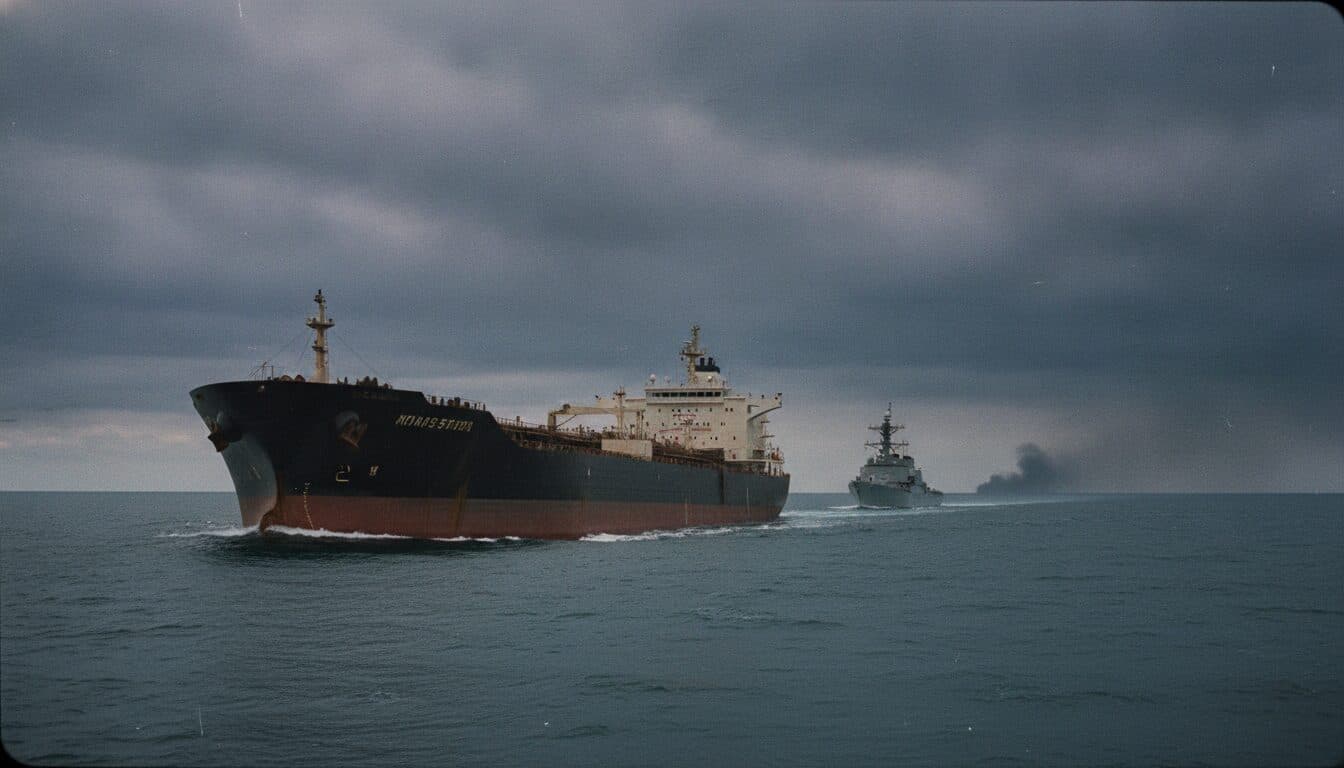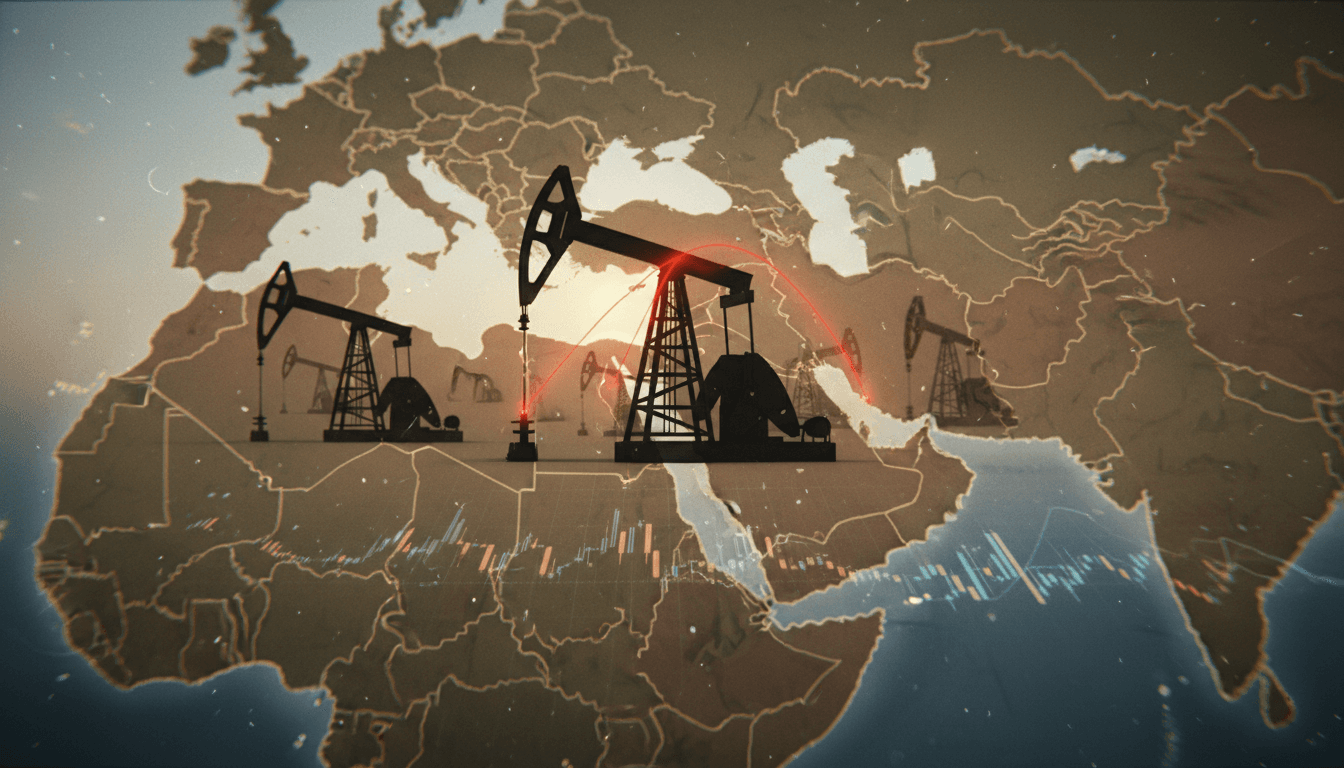
President Donald Trump’s unequivocal rejection of Iran’s latest peace proposal has plunged the Middle East into deeper uncertainty, sending immediate tremors through global oil markets. Brent crude, the international benchmark, surged by as much as 4% to $105.50 a barrel on Monday, May 11, 2026, before settling at $103.50, as fears intensified that the 11-week-old conflict will persist, keeping the strategically vital Strait of Hormuz largely closed. This decision by a major global power underscores the significant geopolitical and economic instability now gripping the region and beyond.
The rejection came swiftly via a post on Truth Social, where President Trump declared Iran’s counter-offer “totally unacceptable.” This followed a US peace proposal presented just a week prior, reportedly a 14-point memorandum of understanding aimed at reopening the Strait of Hormuz and establishing a framework for nuclear talks. While the full specifics of Iran’s response remain undisclosed, reports suggest it focused on a comprehensive cessation of hostilities, including in Lebanon, the lifting of US sanctions and the naval blockade, the release of frozen Iranian assets, and guarantees against future attacks. Iran’s Foreign Ministry spokesperson, Esmail Baghaei, characterized their proposal as “reasonable and generous,” emphasizing Tehran’s demand for its “legitimate rights.”
A core sticking point in the protracted negotiations remains Iran’s nuclear program. The US proposal reportedly demanded a moratorium on Iranian nuclear enrichment for up to 20 years, the transfer of Iran’s highly enriched uranium (HEU) stockpile overseas, and the dismantling of Iranian nuclear facilities. Iran’s counter-proposal, however, suggested a shorter moratorium, the export of part of its HEU stockpile, and the dilution of the remainder, while refusing to accept the dismantling of its facilities. This fundamental disagreement over the nuclear issue highlights the profound chasm between the two sides.
The International Atomic Energy Agency (IAEA) has consistently voiced concern over Iran’s escalating uranium stockpile. As of June 13, 2025, the U.N. nuclear watchdog reported Iran possessed 440.9 kilograms of uranium enriched up to 60%, a quantity theoretically sufficient to produce one atomic bomb if further enriched to 90%. IAEA Director General Rafael Grossi has repeatedly expressed alarm over this stockpile and Iran’s continued refusal to grant full access to inspectors, fueling international anxieties about Tehran’s nuclear ambitions.
Beyond the negotiating table, the conflict itself has intensified, spreading to Lebanon. Despite an agreed ceasefire in April, Israel has continued striking Hezbollah targets, with reports of deadly attacks. Hezbollah began its retaliatory actions against Israel after the US and Israel launched their war on Iran on February 28, 2026. Israeli airstrikes have systematically targeted Hezbollah infrastructure, weapon depots, and command centers in southern Lebanon and Beirut’s southern suburbs. Lebanese President Joseph Aoun has been actively engaged in diplomatic efforts to de-escalate the conflict within his borders, underscoring the regional contagion of the wider Iran conflict.
“The rejection of this peace offer, particularly amidst ongoing military action and rising oil prices, signals a dangerous new phase of instability in the Middle East,” noted a senior analyst at a London-based energy consultancy. “The market reaction is a clear indicator of the perceived risk to global energy supplies, especially with the Strait of Hormuz remaining a flashpoint.”
The economic fallout from Trump’s rejection of the Iran peace offer was immediate and pronounced. The sharp rise in oil prices directly impacts global consumers and industries, threatening to exacerbate inflationary pressures. Beyond crude, US stock futures experienced a decline, reflecting broader market apprehension about the escalating geopolitical risks. The potential for prolonged disruption to shipping through the Strait of Hormuz, a critical chokepoint for a fifth of the world’s oil and gas supply, remains a significant concern for global trade and energy security. For investors, this creates a volatile environment, demanding careful consideration of energy sector exposure and broader market sensitivity to geopolitical events. Related trending articles highlight the interconnectedness of global markets to Middle East stability.
Looking ahead, President Trump is slated to visit China between May 13 and 15, 2026, for talks with Chinese President Xi Jinping. The Iran conflict is expected to be a central topic of discussion, with China viewed as a potential diplomatic facilitator given its significant economic ties with Tehran. Whether Beijing can exert meaningful influence to de-escalate tensions and restart negotiations remains to be seen. The coming days will be crucial in determining if this latest rejection marks a definitive end to diplomatic efforts or merely a tactical maneuver in a high-stakes geopolitical chess game. The world watches, holding its breath, as the Middle East teeters on the brink of further escalation, with direct implications for global stability and the price of oil.