President Donald Trump has emphatically rejected a new peace proposal from Iran, signaling a hardening stance that threatens to prolong a conflict already roiling global oil markets and disrupting a vital shipping lane. Trump’s declaration, made via Truth Social, asserts that Tehran has not yet “paid a big enough price” for its actions, casting a long shadow over hopes for a swift resolution to hostilities that commenced in late February 2026.
The rejection comes amidst a delicate ceasefire, brokered by Pakistan since April 8, 2026, which followed a previous failed round of peace talks. The conflict’s genesis on February 28, 2026, saw initial US and Israeli strikes targeting Iranian military and government sites, notably resulting in the assassination of Supreme Leader Ali Khamenei. Iran retaliated swiftly, launching missile and drone strikes against Israeli and US targets and subsequently closing the crucial Strait of Hormuz. This cycle of aggression has seen Brent crude oil prices surge to a four-year high of over $126 per barrel in late April, reflecting acute fears of prolonged supply disruptions.
Iran’s latest 14-point peace proposal, delivered to the US via Pakistani mediation, reportedly outlined terms for resolving key issues within 30 days, contrasting with a two-month ceasefire previously proposed by the US. Key provisions included guarantees against further military action, the withdrawal of US forces from areas surrounding Iran, the lifting of the US naval blockade and sanctions, the unfreezing of Iranian assets, and payment of compensation. It also sought an end to hostilities across multiple fronts, including Lebanon, and proposed a new framework for the Strait of Hormuz. Notably, the contentious issue of Iran’s nuclear program was reportedly deferred to a later stage of talks – a point of potential flexibility that has now been dismissed.
President Trump’s rejection was unequivocal. He stated, “I can’t imagine that it would be acceptable in that they have not yet paid a big enough price for what they have done to Humanity, and the World, over the last 47 years.” This mirrors his earlier dissatisfaction with an Iranian proposal, where he stated, “They’re asking for things I can’t agree to.” The President has further warned of the “possibility” of renewed fighting should Iran “misbehave” or “do something bad.” This firm stance from President Trump suggests a calculated pressure campaign, aiming to extract further concessions from Tehran.
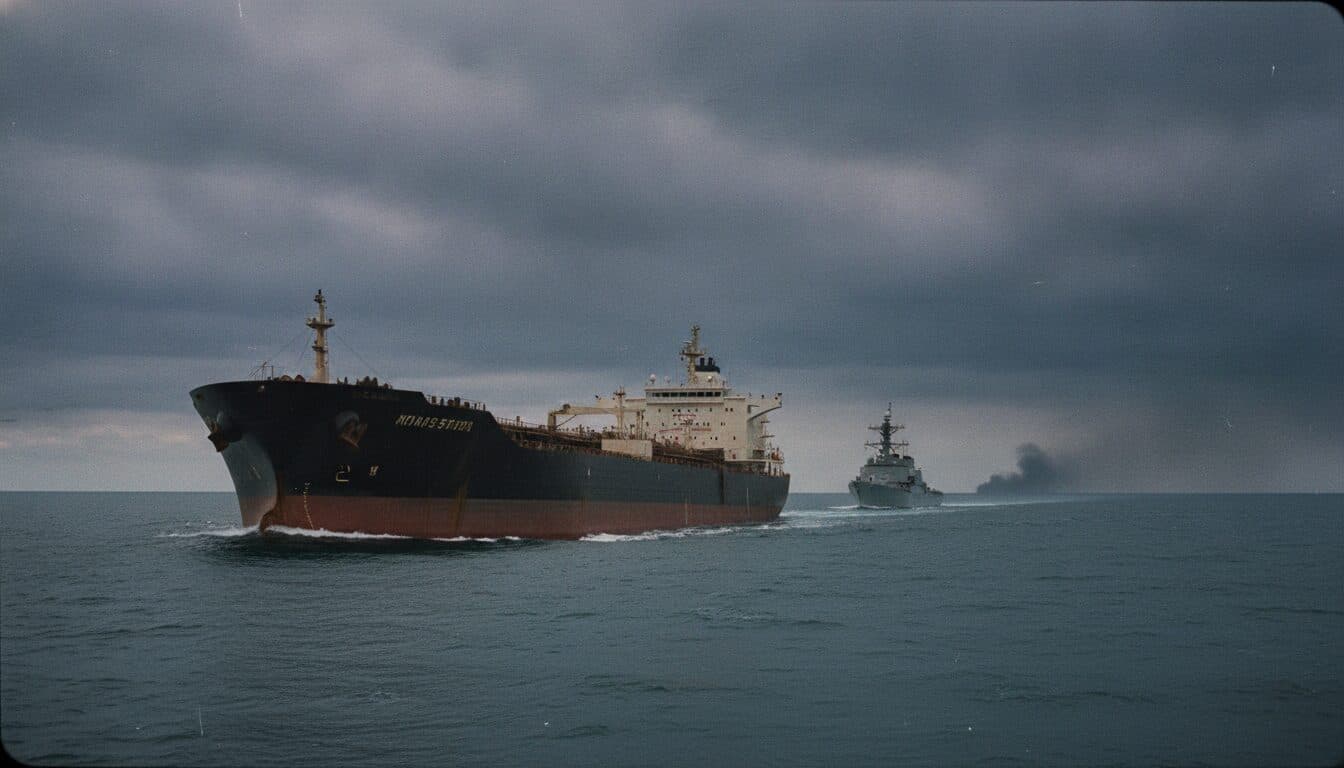
The economic ramifications of the ongoing conflict and the standoff in the Strait of Hormuz are profound. The Strait, through which approximately one-fifth of the world’s oil and liquefied natural gas transits, has been a major flashpoint. Iran initially restricted access in retaliation for the US-Israeli strikes. Since April 13, the US has enforced a naval blockade targeting Iranian ports, while Iran has maintained its own restrictions, creating a perilous “dual blockade.” Iran’s Islamic Revolutionary Guard Corps (IRGC) has even announced “new rules” to tighten control over waters near its southern coastline, including the Strait. The doubling of Brent crude prices since February 28 underscores the market’s anxiety about the stability of global energy supplies. Related trending articles have extensively covered the ripple effects on global supply chains.
From Tehran’s perspective, Deputy Foreign Minister Kazem Gharibabadi has articulated that “the ball is in the United States’ court to choose the path of diplomacy or the continuation of a confrontational approach,” adding that Iran is “prepared for both paths.” This sentiment is echoed by senior Iranian military and security officials who have indicated that renewed military conflict is “likely,” suggesting a readiness for escalation if diplomatic avenues remain closed. The mutual hardening of positions portends a dangerous trajectory.
Complicating matters further, President Trump informed Congress on May 1, 2026, that “hostilities” with Iran had “terminated.” This was a move to address a 60-day deadline under the War Powers Resolution of 1973, which requires presidential authorization for military operations beyond 60 days. Trump argued that the ceasefire effectively paused the 60-day clock, an interpretation that has been disputed by some legal experts, raising questions about the legal framework of continued US military presence and actions in the region.
“The rejection of Iran’s peace proposal by President Trump signals a dangerous inflexibility, pushing the region closer to renewed conflict and maintaining significant pressure on global energy markets.”
Looking ahead, the immediate future appears fraught with peril. With the US rejecting Iran’s peace bid, the prospects for a diplomatic resolution in the near term seem dim. The world will be watching closely for any signs of renewed military action, particularly around the Strait of Hormuz, which could send oil prices soaring even higher. Investors and businesses reliant on stable energy prices and secure shipping lanes face continued uncertainty. The onus now appears to be on both sides to de-escalate, yet the rhetoric suggests a trajectory towards further confrontation.
The key takeaway for readers and investors is the persistent and elevated risk of geopolitical instability emanating from the US-Iran standoff. President Trump’s firm stance on Iran’s peace proposal has effectively shut down a potential off-ramp, ensuring that the specter of continued conflict will continue to weigh heavily on global markets and strategic calculations for the foreseeable future.