Critical Trump NATO threats are once again dominating international headlines, with former President Donald Trump’s declarations about potentially withdrawing the United States from the North Atlantic Treaty Organization in the midst of the ongoing US-Israeli war with Iran igniting a firestorm of global concern. This latest pronouncement, delivered with characteristic bluntness, has sent shivers through allied capitals and financial markets alike, highlighting the fragility of a 76-year-old alliance designed to ensure collective security.
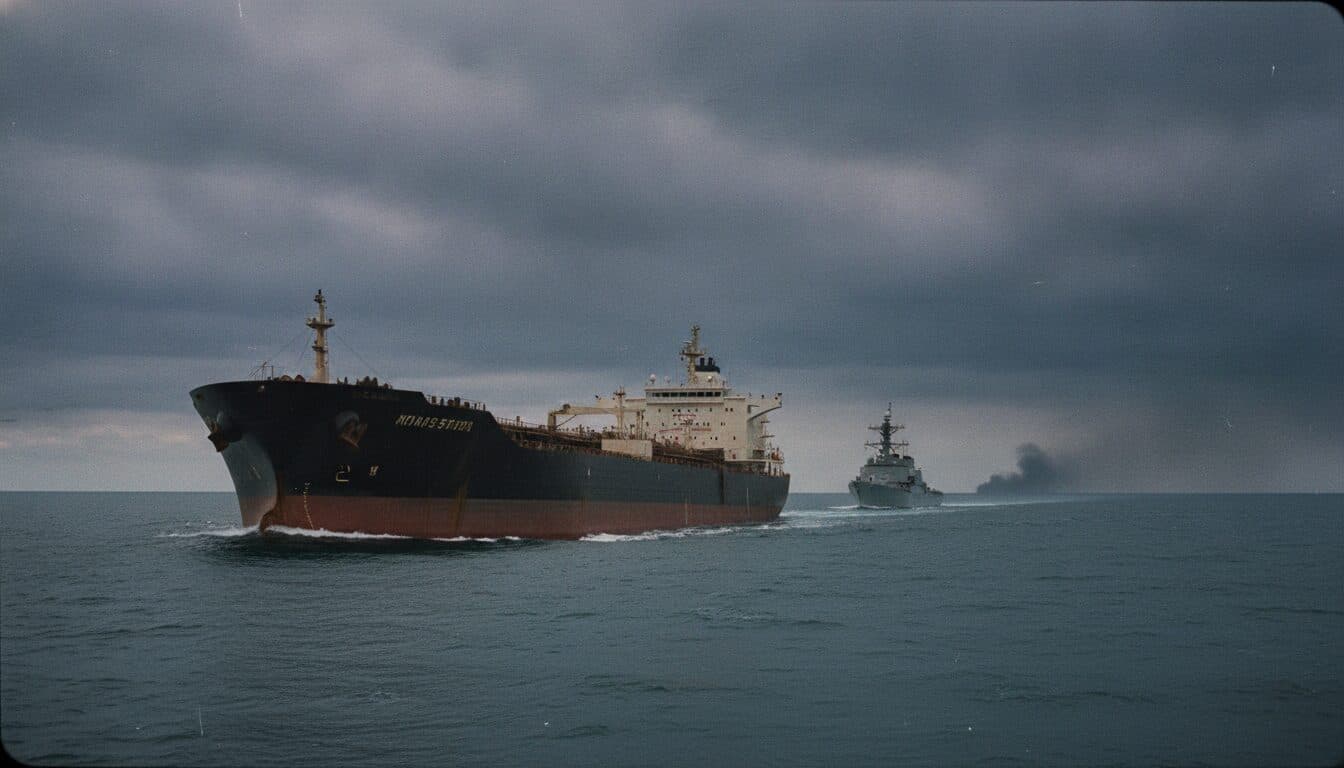
The current controversy stems directly from Trump’s frustration with what he perceives as a lack of direct support from European nations in the escalating conflict with Iran, particularly concerning the vital Strait of Hormuz. He has explicitly called European allies “cowards” for their reluctance to join the fray, further escalating tensions. His remarks are not unprecedented; throughout his political career, Trump has consistently viewed NATO through a transactional lens, often labeling the alliance “obsolete” and criticizing member states for not meeting their defense spending targets. In a striking statement in 2024, he even suggested he would encourage Russia to attack NATO members failing to meet these financial commitments.
The Core of the Alliance Under Siege
At the heart of the matter lies NATO’s foundational principle: Article 5. This cornerstone of the 1949 treaty stipulates that an armed attack against one member is considered an attack against all, a collective defense clause invoked only once in NATO’s history – following the September 11, 2001, terrorist attacks on the United States. Trump’s repeated threats to abandon this commitment, particularly over the Iran war, are seen by many as a direct assault on the alliance’s very purpose.
While Trump has stated he is “absolutely” considering U.S. withdrawal, even referring to NATO as a “paper tiger,” the legal reality presents a significant hurdle. A 2023 law mandates that a two-thirds consent from the U.S. Senate is required for such a withdrawal, a threshold widely considered unachievable. Nonetheless, the commander-in-chief’s power to decide whether the U.S. military would defend NATO members injects a profound level of uncertainty.
“NATO is in its ‘worst place’ since its founding, with repeated threats fraying the alliance and undermining its mutual defense agreement at its core.”
The global ramifications of these critical Trump NATO threats are already palpable. Analysts and diplomats fear a severe erosion of trust and deterrence within the alliance. Max Bergmann of the Center for Strategic and International Studies has articulated the sentiment, stating that NATO is in its “worst place” since its founding. This weakening of solidarity is a gift to adversaries like Russia, whose Prime Minister Vladimir Putin would likely view any perceived division within NATO as a “dream plan,” as suggested by Poland’s Prime Minister Donald Tusk. French President Emmanuel Macron has criticized Trump’s inconsistent statements, stressing the paramount need for stability and seriousness in international relations, while UK Conservative leader Kemi Badenoch warned that any division is a boon for countries like Russia and Iran.
Economic Fallout and What Lies Ahead
Beyond the geopolitical tremors, the escalating rhetoric and the ongoing war in Iran have tangible economic consequences. The effective shutdown of the Strait of Hormuz by Iran, a chokepoint through which approximately one-fifth of the world’s oil passes, has directly contributed to increased market volatility and surging energy prices. This economic pressure adds another layer of complexity to an already volatile global landscape. Some experts, like Ambassador Gabriele Checchia, former Permanent Representative of Italy to NATO, suggest that Trump’s criticisms of NATO also serve a domestic political purpose, appealing to his isolationist “MAGA” base.
The uncertainty surrounding U.S. commitment to NATO creates a less stable global environment, particularly as Russia remains a significant security threat. The ongoing crisis is a blow to allies who have diligently worked to demonstrate greater responsibility for their own defense. What comes next will be closely watched by every major capital. The immediate future hinges on whether the legal safeguards against unilateral withdrawal can withstand political pressure, and more broadly, on the resilience of an alliance grappling with its most significant internal challenge in decades. The profound international concern over these critical Trump NATO threats underscores the precarious state of global security and the enduring importance of collective defense.