The fragile ceasefire between the U.S. and Iran, initiated just over a month ago, now teeters on the brink of collapse, sending shockwaves through global energy markets. Former U.S. President Donald Trump declared the truce ‘on life support’ this Monday, dismissing Iran’s latest peace proposal as “stupid” and “unacceptable.” This stark pronouncement has immediately translated into a significant surge in global oil prices, exacerbating concerns about international energy supply stability and the broader economic outlook.
On Monday, May 12, 2026, President Trump stated unequivocally that the ceasefire, which commenced on April 7, was “unbelievably weak” and had a “one percent chance of living.” His rejection of Iran’s latest overture was swift and dismissive, with Trump claiming he didn’t even finish reading the proposal. Iran’s demands reportedly included a comprehensive end to the war on all fronts, including in Lebanon, a reaffirmation of its sovereignty over the crucial Strait of Hormuz, compensation for war damages, and an immediate cessation of the U.S. naval blockade. These terms stood in stark contrast to the U.S. position, which had prioritized an end to hostilities before delving into more contentious issues such as Iran’s nuclear program.
The immediate market reaction to this declaration was pronounced. Brent crude futures for July gained 3.1% on Tuesday, reaching $107.31 a barrel, extending a 2.9% increase from the previous session, which settled at $104.21 per barrel. U.S. West Texas Intermediate (WTI) crude futures for June mirrored this trend, rising 3.2% to $101.17 per barrel on Tuesday, building on Monday’s 2.8% gain to $98.07 per barrel. These surges are not isolated incidents; WTI crude futures have already climbed a staggering 42% from February 27, 2026, to May 8, 2026, a clear indicator of persistent supply disruption concerns that have plagued the market for months.
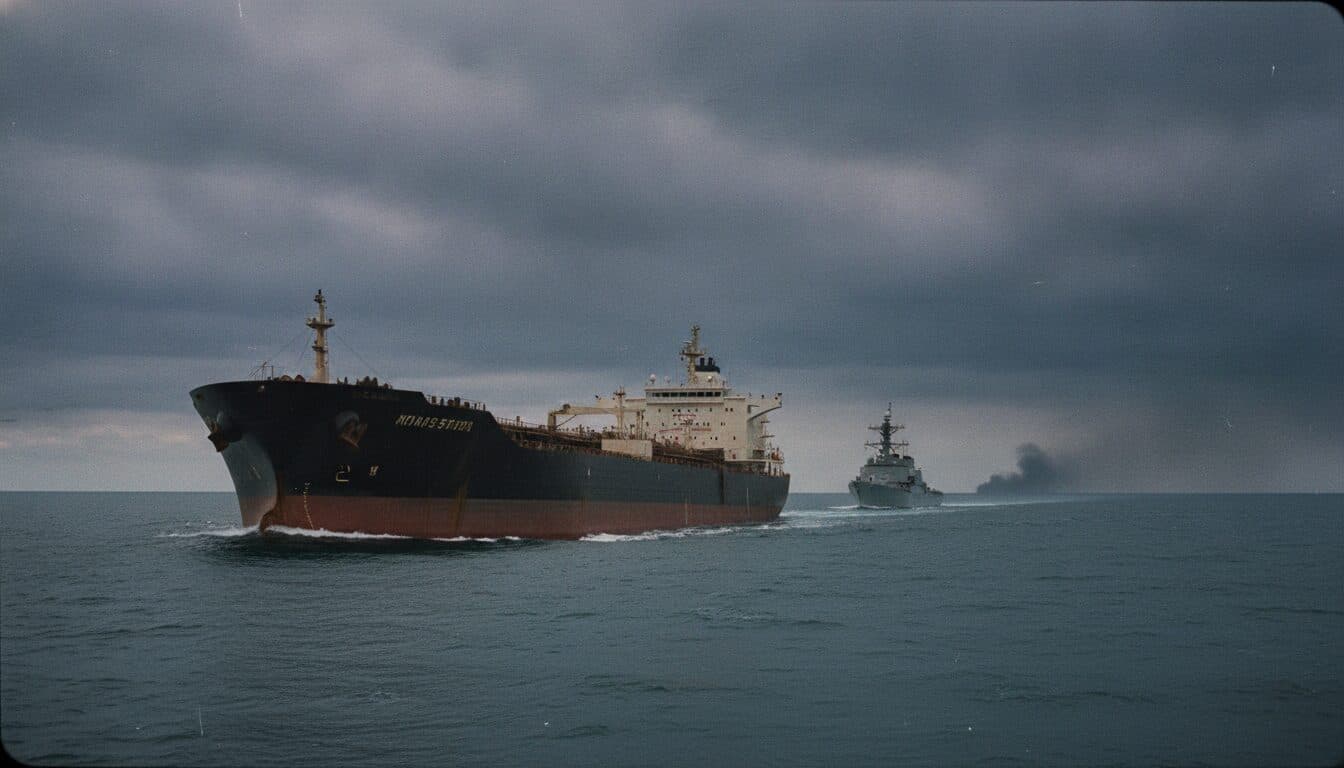
A primary driver of these anxieties is the continued closure of the Strait of Hormuz. This vital waterway, which historically channeled a fifth of the world’s oil and liquefied natural gas shipments, remains largely inaccessible due to the ongoing conflict. The disruption has severely hampered oil producers, forcing them to slash exports, with OPEC oil output reportedly dropping to its lowest in over two decades in April. Trump’s administration is now reportedly considering reactivating “Project Freedom,” an initiative aimed at escorting commercial vessels through the Strait, a move that underscores the criticality of this choke point to global trade.
Adding another layer of complexity, the U.S. announced new sanctions on Monday against 12 entities accused of facilitating Iranian oil shipments to China. This move signals Washington’s intent to intensify economic pressure on Tehran, even as diplomatic efforts falter. The timing is particularly notable given President Trump’s upcoming meeting with Chinese leader Xi Jinping in Beijing from May 14-15. Iran is expected to be a central topic of discussion, with the U.S. likely to seek China’s assistance in pressuring Iran to reopen the Strait of Hormuz. China, as the largest buyer of Iranian oil, holds significant leverage in this geopolitical chess game. The meeting itself was originally scheduled for March but was delayed due to the war with Iran.
“The potential collapse of the Iran ceasefire isn’t just a regional issue; it’s a global economic tremor. The Strait of Hormuz closure alone has the power to redefine global energy logistics and pricing for the foreseeable future.”
The rejection of Iran’s peace proposal unfolds against a backdrop of escalating military tensions. The United Arab Emirates has reportedly been conducting military strikes against Iran under “Operation Epic Fury,” while Israel has deployed anti-missile batteries and personnel to the UAE to bolster defenses against potential Iranian attacks. In response, the speaker of Iran’s parliament has issued a stern warning, stating that Iran’s military is prepared to “teach a lesson” to any aggressor.
Trump reiterated the U.S. stance that Iran “cannot have a nuclear weapon,” claiming that Iranian negotiators had previously acknowledged needing U.S. assistance to extract their nuclear stockpile—an offer he asserts Iran retracted in its latest proposal. The U.S. also seeks a guarantee of no nuclear weapons for a “very long period of time” from Iran. The broader implications of this ongoing conflict and the sustained closure of the Strait of Hormuz are causing significant global economic concern, with reports indicating that China is particularly worried about the potential for a global recession.
Looking ahead, all eyes will be on the Trump-Xi meeting in Beijing. The outcome of these discussions could heavily influence the trajectory of the Iran conflict and the fate of the Strait of Hormuz. Without a renewed diplomatic effort or a decisive intervention to secure the waterway, the current trajectory suggests continued volatility in oil markets and persistent inflationary pressures worldwide. Investors and policymakers alike will be closely monitoring any developments, as the cost of living and the stability of international trade hang in the balance. The immediate future of the Iran ceasefire, and with it, global energy security, remains precariously uncertain.