President Donald Trump declared Monday that the fragile ceasefire with Iran is on “life support,” a stark assessment delivered after Tehran’s latest peace proposal was summarily rejected as “totally unacceptable” and “a piece of garbage.” This development casts a long shadow over global stability and financial markets, particularly as the world grapples with an energy crisis exacerbated by the ongoing conflict.
The ceasefire, in effect since April 7, now teeters on the brink. Trump, speaking with characteristic bluntness, stated, “I would say the ceasefire is on massive life support, where the doctor walks in and says: ‘Sir, your loved one has approximately a 1% chance of living.’” This dire prognosis underscores the deep chasm that persists between Washington and Tehran, despite weeks of mediated discussions.
Iran’s proposal, conveyed through Pakistani channels, reportedly included some nuclear concessions, such as an offer to dilute a portion of its highly enriched uranium and transport the remainder to a third country like Russia. However, Trump dismissed these overtures, asserting that Iran had reneged on an earlier understanding that would have allowed the U.S. to assist in the extraction of its highly enriched uranium. The U.S. continues to demand a comprehensive rollback of Iran’s nuclear activities and an ironclad guarantee against nuclear weapons development for a protracted period.
For its part, Iran’s Foreign Ministry spokesman, Esmaeil Baqaei, maintained that their proposal sought only the country’s “legitimate rights” and offered no “concessions.” Tehran’s demands include an end to the regional conflict, the unfreezing of Iranian assets, and guarantees for security in the Strait of Hormuz and Lebanon. Iran steadfastly insists on its right to enrich uranium, asserting the peaceful nature of its nuclear program.
Geopolitical Tensions Mount as Iran Ceasefire Falters
The immediate geopolitical implications are significant. President Trump is scheduled to arrive in Beijing on Wednesday evening, May 13, 2026, for meetings with President Xi Jinping on Thursday and Friday. The Iran issue is expected to dominate discussions, with Trump aiming to enlist China’s considerable influence in pressuring Tehran. China, as Iran’s largest buyer of sanctioned crude oil, holds substantial leverage that Washington hopes to exploit.
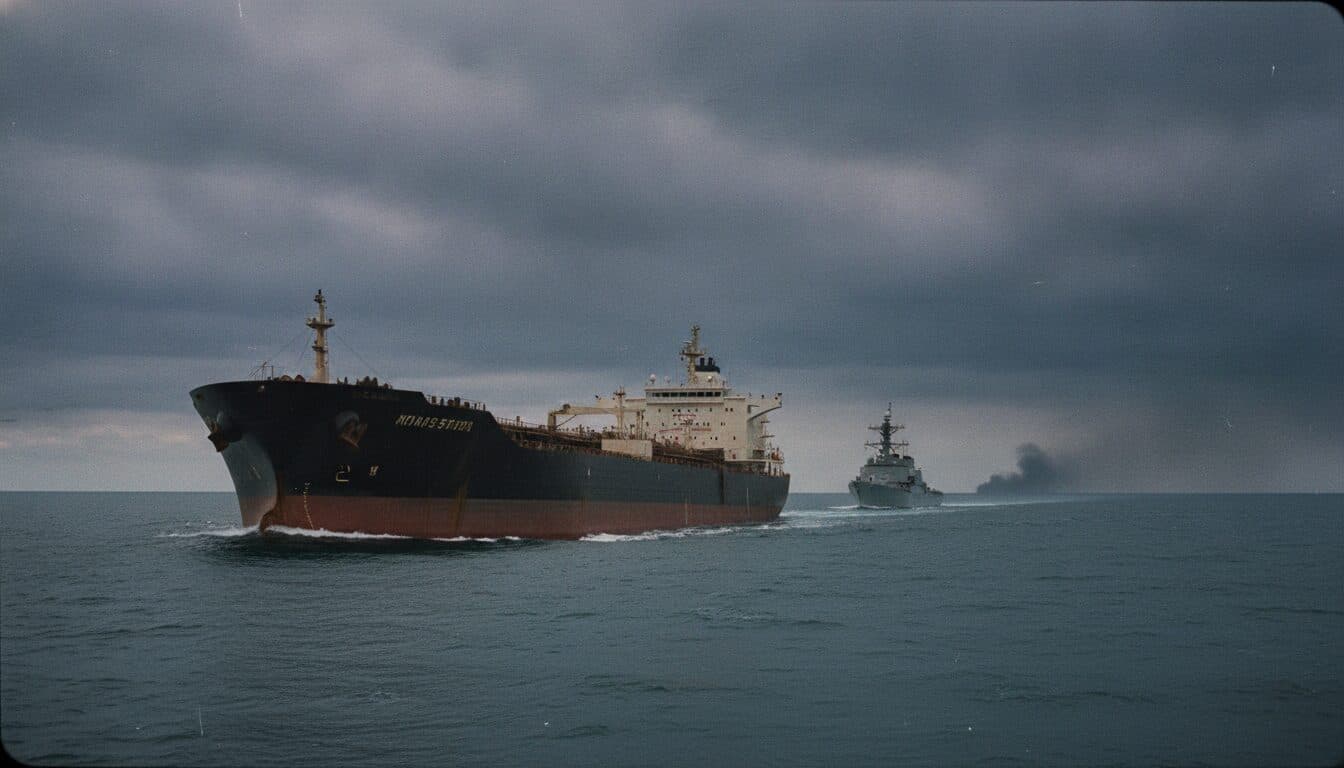
The most palpable impact of these escalating tensions has been felt in global energy markets. The Strait of Hormuz, a critical maritime artery through which approximately one-fifth of the world’s oil and natural gas supplies transit, has been effectively closed by Iran since late February. This “chokehold” on shipments has sent Brent crude oil prices soaring, settling at $104.21 per barrel on Monday, May 11, a 2.9% increase. Overall, oil prices have surged by about 40% since before the war began on February 28.
The International Energy Agency has characterized the situation as the “largest supply disruption in the history of the global oil market,” drawing unsettling parallels to the 1970s energy crisis. The estimated shortfall in daily production stands at a staggering 14.5 million barrels, creating immense pressure on economies worldwide.
In a move to tighten the economic screws, the U.S. on Monday issued new sanctions against 12 individuals and entities. This latest round targeted three Iran-based individuals and nine companies across Hong Kong and the United Arab Emirates, all implicated in facilitating the sale and shipment of Iranian oil to China. This demonstrates Washington’s continued commitment to its maximum pressure campaign, even as diplomatic avenues appear to narrow.
The military posture surrounding the conflict is also hardening. Reports suggest Trump is considering a resumption of U.S. Navy military escorts for ships traversing the Strait of Hormuz, a plan previously shelved. Israeli Prime Minister Benjamin Netanyahu, who initiated the war with Trump on February 28, has unequivocally demanded the removal of all highly enriched uranium from Iran. Netanyahu warned that if negotiations fail, “we can reengage them militarily.”
“The global economy is now staring down the barrel of a renewed energy shock, making the resolution of the Iran ceasefire not just a geopolitical imperative, but an economic one.”
Looking ahead, the stakes are exceptionally high. Trump’s visit to Beijing will be pivotal in determining whether China can, or will, exert sufficient pressure on Iran to return to the negotiating table with a more palatable offer. The alternative could be a full-scale resumption of hostilities, with catastrophic consequences for global trade, energy security, and regional stability. Investors and policymakers alike will be watching closely for any sign of de-escalation or, conversely, further deterioration.
The immediate takeaway is clear: the Iran ceasefire is hanging by a thread, and its potential collapse threatens to unleash a new wave of economic volatility and geopolitical instability. For global markets, particularly in energy, the coming days will be critical in shaping the trajectory of prices and the broader economic outlook. The world holds its breath as diplomatic efforts appear to falter and military options remain on the table.