President Donald Trump’s sudden announcement on Monday, May 18, 2026, to halt a planned military strike on Iran has sent a ripple of cautious optimism through global markets, particularly impacting oil prices. Citing “serious negotiations” underway at the behest of key Gulf allies, including the leaders of Qatar, Saudi Arabia, and the United Arab Emirates, the decision marks a significant, albeit fragile, shift towards de-escalation in the volatile Middle East.
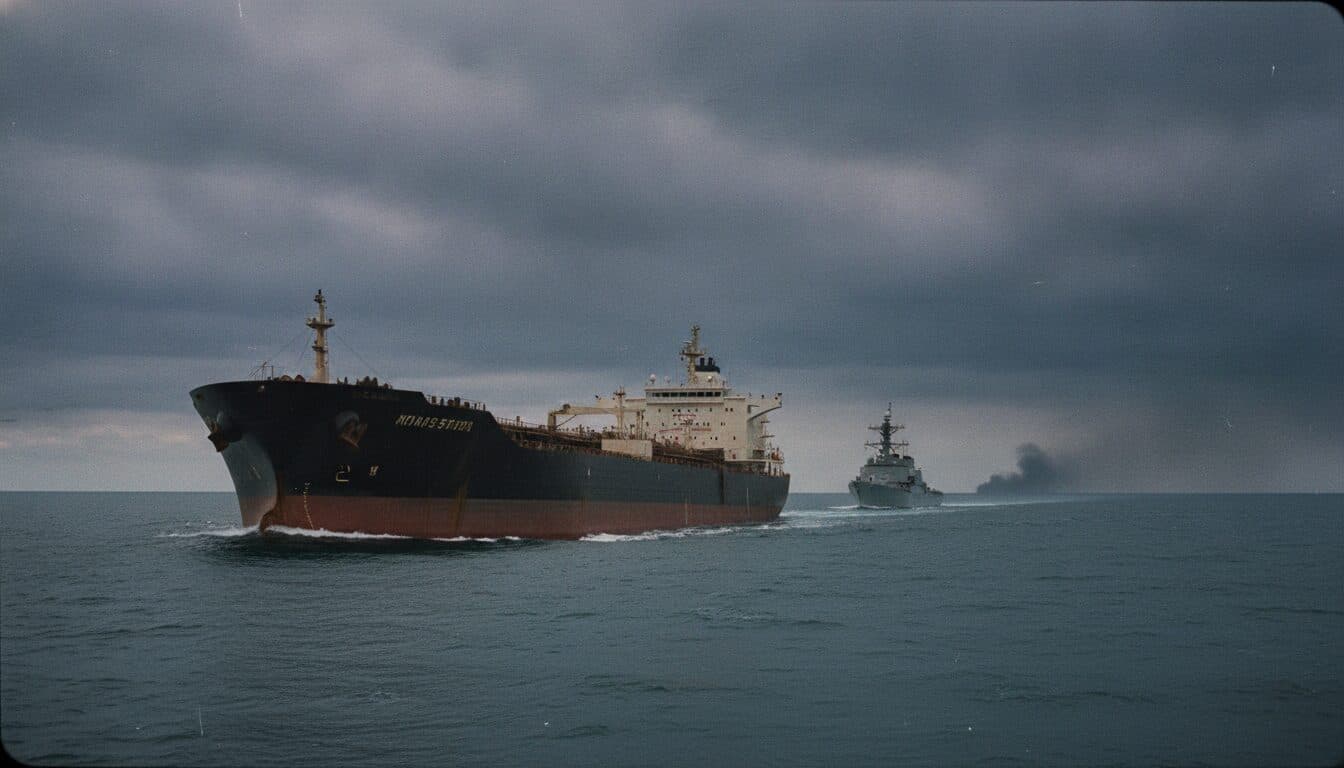
The potential for a wider conflict in the region has been a persistent shadow over the global economy, with the Strait of Hormuz, a critical choke point for global energy flows, effectively closed since February 28, 2026. This sudden pivot to diplomacy, however tenuous, immediately triggered a reaction in global oil benchmarks, offering a temporary reprieve to an energy market grappling with the biggest supply disruption in history.
Trump Halts Iran Strike: The Diplomatic Gambit
The decision to hold back military action comes amidst a backdrop of escalating tensions and repeated violations of a fragile ceasefire, mediated by Pakistan since April 8, 2026. The core of the ongoing, yet stalled, negotiations centers on several critical issues. The United States, under President Trump, remains resolute in its aim to prevent Iran from obtaining nuclear weapons. Iran, for its part, has proposed a long-term freeze of its nuclear program by transferring enriched uranium to Russia, a concession aimed at addressing international concerns.
Crucially, the reopening of the Strait of Hormuz is a paramount demand from the U.S. and its allies. This strategic waterway typically facilitates the passage of approximately one-fifth of global oil and liquefied natural gas (LNG) trade. Iran has indicated its willingness to allow transit once the conflict concludes, a significant carrot for a global economy starved of stable energy supply. Additionally, Iranian officials continue to press for sanctions relief, access to frozen assets, and compensation for damages incurred during the conflict. Iran’s latest peace proposal also extends to broader regional stability, calling for an end to hostilities across all fronts, including Lebanon, and the withdrawal of U.S. forces from areas adjacent to Iran.
Despite the diplomatic push, both Washington and Tehran acknowledge that the negotiations remain at an impasse. The White House reportedly deemed a recent Iranian proposal, delivered via Pakistani mediators, as insufficient, particularly regarding commitments on Iran’s enriched uranium stockpile and future enrichment activities. Similarly, Iranian officials have signaled that current U.S. demands are unacceptable, highlighting the deep chasm that still exists between the two sides.
“The market’s immediate reaction reflects a hope for stability, but the underlying complexities of the Iran nuclear program and the Strait of Hormuz remain formidable hurdles. This is a pause, not necessarily a resolution.”
Oil Markets Brace for Volatility
The news that Trump halts Iran strike plans for diplomacy immediately impacted energy markets. Crude oil prices dipped by over 2% during early Asian trade on Tuesday, May 19, 2026, as investors cautiously absorbed the potential for de-escalation. Brent crude futures for July delivery shed $3.01, or 2.7%, settling at $109.09 per barrel. US West Texas Intermediate (WTI) crude for June delivery saw a $1.38, or 1.3%, decline to $107.28 per barrel, with the more active July WTI contract falling by $1.15, or 1.1%, to $103.23.
This temporary relief follows a period of extreme price surges, with Brent crude reaching a four-year high of $126 per barrel on April 30, and trading around $110 per barrel in mid-May. The International Energy Agency (IEA) has starkly underlined the severity of the situation, reporting that the conflict has already triggered the biggest oil supply disruption in history. Global oil supply declined by 1.8 million barrels per day in April, bringing total losses since February to a staggering 12.8 million barrels per day. U.S. Energy Secretary Chris Wright confirmed in May 2026 that Iran’s oil output alone has been cut by approximately 400,000 barrels per day due to export constraints, with April 2026 production reported at 2.854 million barrels per day, down from 3.065 million barrels per day in March.
The IEA projects global oil demand to decline by 420,000 barrels per day in 2026, averaging 104 million barrels per day – a significant downward revision from pre-war forecasts. While the diplomatic overtures offer a glimmer of hope, the persistent closure of the Strait of Hormuz continues to fuel market anxiety, reminding investors of the fragility of the current situation. For more insights into global energy markets, explore our related trending articles.
What Lies Ahead: A Precarious Path
The immediate future hinges on the substance and progress of these “serious negotiations.” The fact that Trump halts Iran strike plans is a tactical move, but the strategic objectives of both sides remain largely unchanged. The White House’s rejection of Iran’s latest proposal indicates the significant gaps that still need to be bridged, particularly concerning Iran’s nuclear capabilities. Conversely, Tehran’s insistence on sanctions relief and compensation will be difficult for the U.S. to fully concede without tangible commitments on de-escalation and nuclear transparency.
The involvement of Gulf allies, who have a vested interest in regional stability and the uninterrupted flow of energy, adds another layer of complexity and potential leverage. Their request for a diplomatic solution underscores the severe economic and security ramifications a full-scale military conflict would have on their own nations and the broader global economy. Markets will be scrutinizing every development, particularly any indication of concrete steps towards the reopening of the Strait of Hormuz, which remains the single most impactful factor for global oil supply.
Key Takeaway for Investors
While the news that Trump halts Iran strike plans has provided a momentary easing of tensions and a slight softening in oil prices, investors should exercise extreme caution. The underlying geopolitical risks in the Middle East are far from resolved. The negotiations are fraught with historical mistrust and deep-seated disagreements. The volatility witnessed in oil markets is likely to persist as long as the Strait of Hormuz remains closed and a comprehensive agreement on Iran’s nuclear program and regional security remains elusive. This is a diplomatic tightrope walk, and any misstep could quickly reignite the potential for conflict, sending energy prices spiraling once again. Prudent investors will monitor the specifics of the ongoing negotiations rather than reacting solely to headline announcements.