The sudden cancellation of U.S. peace talks with Iran by President Donald Trump, swiftly following the departure of Iran’s top diplomat from Islamabad, signals a perilous escalation of tensions between the two nations. This development on Saturday, April 25, 2026, reverberates across global markets, threatening to further destabilize oil prices and international trade, particularly through the vital Strait of Hormuz.
President Trump announced the abrupt halt to the planned trip of U.S. envoys Steve Witkoff and Jared Kushner to Pakistan, citing “too much time wasted on traveling, too much work!” and “tremendous infighting and confusion within their ‘leadership'” as his rationale. He emphatically stated, “We have all the cards. They can call us anytime they want, but you’re not going to be making any more 18-hour flights to sit around talking about nothing.” This firm stance underscores a shift away from the diplomatic overtures that had been cautiously building over the past two months.
The presidential decree came just hours after Iranian Foreign Minister Abbas Araghchi departed Islamabad for Oman, concluding approximately 20 hours of meetings with senior Pakistani officials. Araghchi’s visit was part of a three-nation tour, with Oman and Russia also on his itinerary. On social media, Araghchi shared, “Shared Iran’s position concerning workable framework to permanently end the war on Iran. Have yet to see if the U.S. is truly serious about diplomacy.” Iranian officials had previously indicated that any talks with the U.S. would be indirect, with Pakistani intermediaries conveying messages, highlighting the fragile nature of these engagements even before their collapse.
Impact on Global Oil Prices and Trade
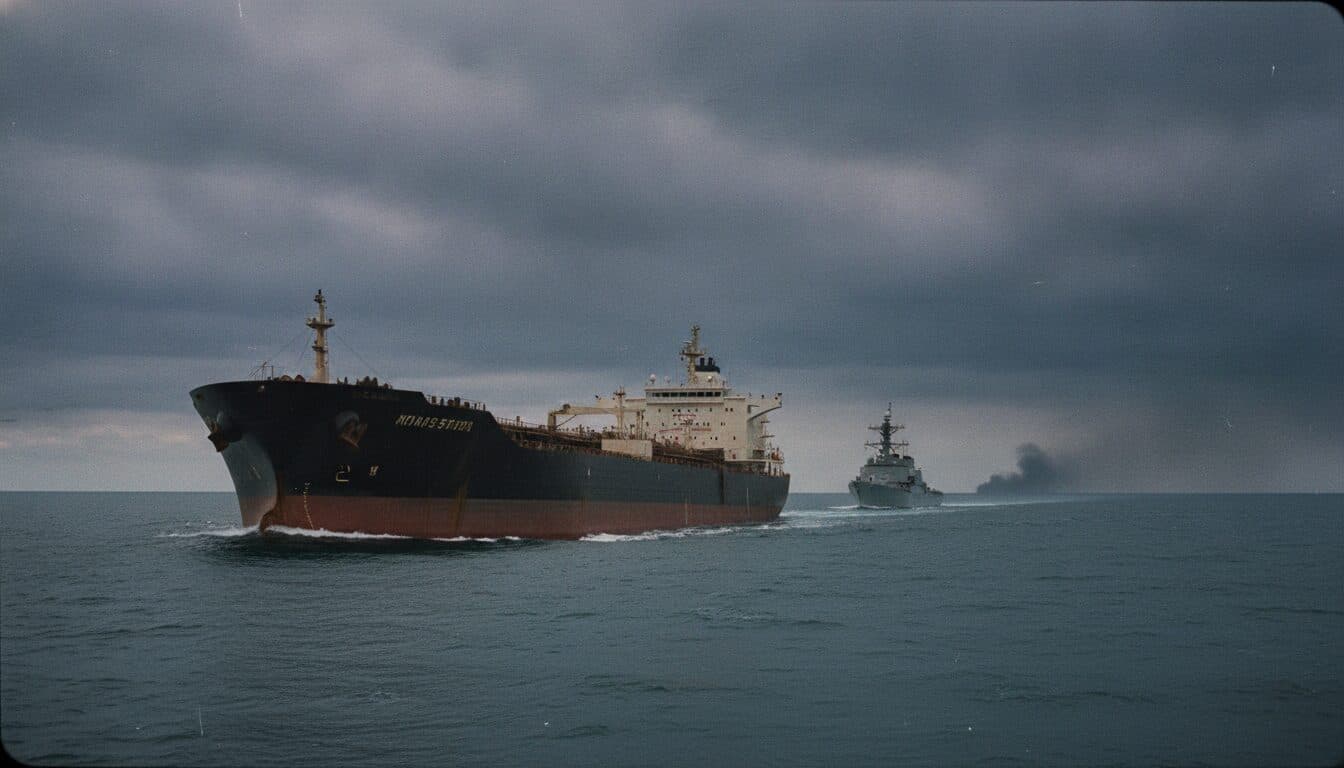
The ramifications of this diplomatic breakdown are immediate and concerning for the global economy. The conflict has already driven gas prices above $4 a gallon across the U.S., strained homebuyers, and pushed inflation to its highest level in nearly two years. Economists predict that the financial impact will be felt for months, even if a resolution were to materialize soon. The Strait of Hormuz, a choke point for a significant portion of the world’s oil supply, remains effectively closed due to Iran’s threats and a U.S. blockade on Iranian ports. This ongoing disruption is a primary driver of market anxiety.
Chevron’s chief executive has suggested that the U.S. Navy may need to escort commercial vessels through the Strait once it reopens to ensure security, a stark indicator of the perceived risks. Reports indicate the U.S. Navy is currently engaged in clearing Iranian mines from the waterway, a dangerous and time-consuming operation. Iran’s joint military command, meanwhile, issued a warning on Saturday, stating that “if the U.S. continues its aggressive military actions, including naval blockades, banditry, and piracy” it will face a “strong response.” In a move designed to cultivate alliances, Iran has also stated it will exempt Russia from shipping fees in the Strait of Hormuz.
This escalation of tensions threatens to exacerbate an already volatile energy market. Investors will be closely watching crude futures and shipping indices for any further signs of disruption or pricing spikes. The uncertainty surrounding the Strait of Hormuz alone is enough to keep energy markets on edge, impacting everything from manufacturing costs to consumer spending power.
A History of Stalled Diplomacy
The canceled talks were intended as a follow-up to historic face-to-face discussions earlier in April between the U.S., led by Vice President JD Vance, and Iran, led by parliament speaker Mohammad Bagher Qalibaf. These earlier engagements had offered a glimmer of hope, culminating in a temporary ceasefire between the U.S. and Iran, which President Trump had subsequently extended indefinitely. However, Trump cited internal divisions within Iran as a reason for extending the ceasefire, a sentiment echoed in his recent cancellation statement regarding “tremendous infighting and confusion within their ‘leadership’.”
The U.S. and Iran have a long history of animosity and distrust, punctuated by periods of heightened confrontation. The current cycle of tensions has been building for several months, with naval blockades and threats concerning the Strait of Hormuz becoming a recurring flashpoint. The diplomatic efforts in Pakistan, however indirect, represented a rare attempt at de-escalation, making their collapse particularly disheartening for proponents of peaceful resolution.
Adding another layer of complexity to the regional instability, a separate ceasefire between Israel and the Iranian-backed Hezbollah was shaken on Saturday. Reports emerged of new strikes in Lebanon and exchanges of fire. Israeli Prime Minister Benjamin Netanyahu ordered the military to “forcefully attack Hezbollah targets” after accusations of truce breaches. This concurrent unraveling of regional ceasefires paints a grim picture of escalating conflicts across the Middle East, with Iran often at the nexus of these proxy battles.
“The abrupt halt to these delicate peace talks underscores the fragility of diplomatic efforts in a region perpetually on the brink. The economic and political fallout will be substantial, demanding careful navigation from global leaders and businesses alike.”
What’s Next for U.S.-Iran Relations?
The immediate future for U.S.-Iran relations appears bleak following the cancellation of the Iran peace talks. President Trump’s declaration that Iran can “call us anytime they want” suggests a shift back to a more confrontational, ‘America First’ negotiating posture, demanding that Iran initiate any further diplomatic outreach. This could lead to a prolonged stalemate, with both sides unwilling to make the first move, further entrenching the current state of high alert.
The ongoing naval activities in the Strait of Hormuz, including mine-clearing operations and Iran’s warnings, indicate that military posturing will likely intensify. The risk of miscalculation or an accidental confrontation remains high, with potentially catastrophic consequences for global energy supplies and trade routes. Businesses reliant on international shipping, particularly through the Suez Canal and the Indian Ocean, must factor in increased transit times, higher insurance premiums, and the potential for severe supply chain disruptions.
The international community will be watching for any signs of mediation from other nations, particularly Oman and Russia, which Iran’s Foreign Minister Araghchi is currently visiting. However, without a clear path for direct or even indirect dialogue between Washington and Tehran, the region appears poised for continued instability.
Key Takeaway for Investors
The cancellation of the Iran peace talks represents a significant setback for global stability and a renewed source of uncertainty for investors. The immediate implications include sustained high oil prices, increased inflationary pressures, and continued disruptions to international trade, particularly through the Strait of Hormuz. Companies with significant exposure to energy markets, global shipping, or manufacturing supply chains that rely on Middle Eastern routes should prepare for prolonged volatility. Geopolitical risk is once again a dominant factor shaping market sentiment, demanding a cautious and adaptive investment strategy in the coming months.