President Donald Trump’s eleventh-hour extension of the U.S. ceasefire with Iran has injected a fresh wave of uncertainty into global oil markets and financial corridors, even as it averts an immediate military confrontation. The decision, announced just hours before a two-week truce was set to expire on Tuesday, April 21, 2026, underscores the precarious balance between diplomacy and economic pressure in the ongoing U.S.-Iran standoff.
The ceasefire extension, articulated by President Trump on Truth Social, will remain in effect “until such time as their leaders and representatives can come up with a unified proposal.” This move, he noted, was made at the behest of Pakistan, a key mediator in the stalled peace talks, and reflects a U.S. assessment that the “Government of Iran is seriously fractured.” Field Marshal Asim Munir, Pakistan’s army chief, and Prime Minister Shehbaz Sharif, had reportedly urged the U.S. to “hold our Attack on the Country of Iran,” with Sharif publicly thanking Trump for his acceptance, reaffirming Pakistan’s dedication to a negotiated resolution.
Despite this diplomatic reprieve, the broader context remains fraught. A second round of peace talks, anticipated to be led by Vice President J.D. Vance in Islamabad, Pakistan, has been postponed. Iran’s attendance is far from confirmed, with Foreign Ministry spokesperson Esmail Baghaei citing “contradictory messages” and “unacceptable actions” from Washington as obstacles. Tehran’s steadfast position is that it will “not negotiate under threat and force.”
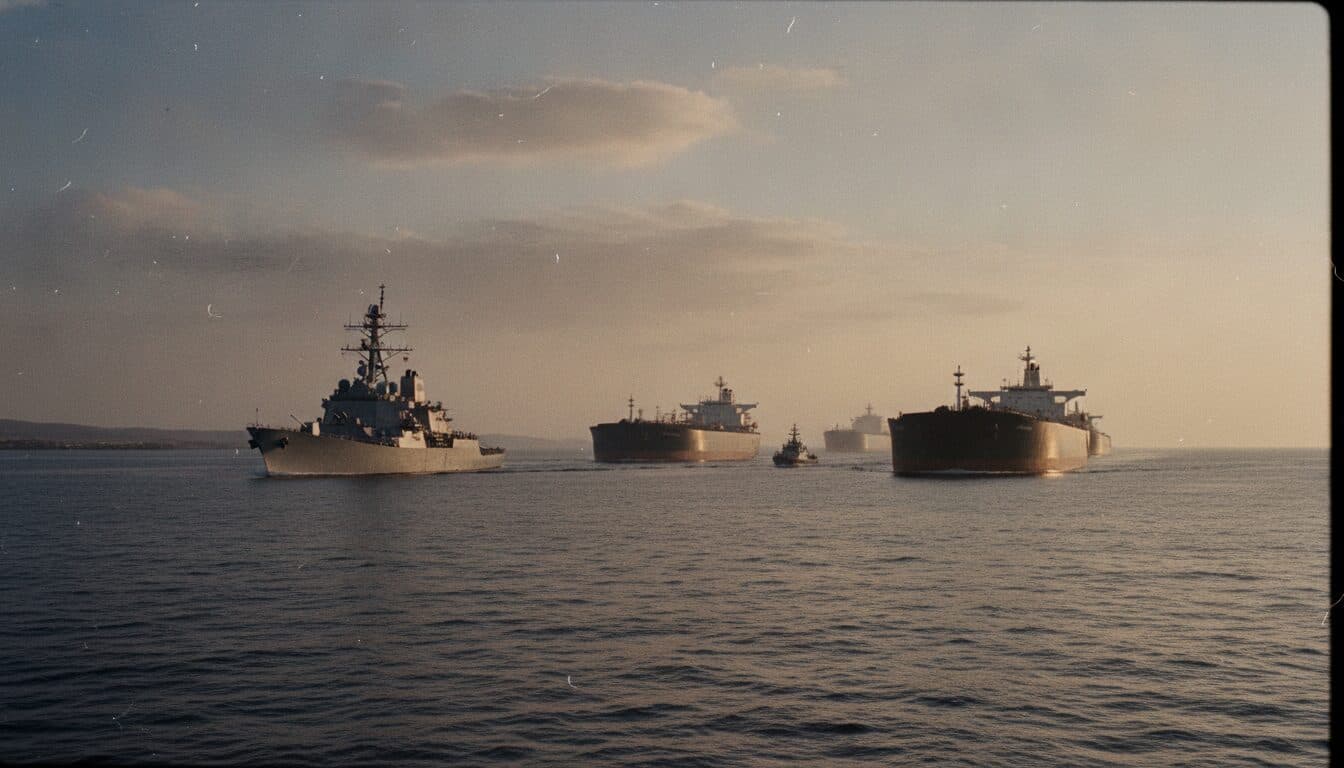
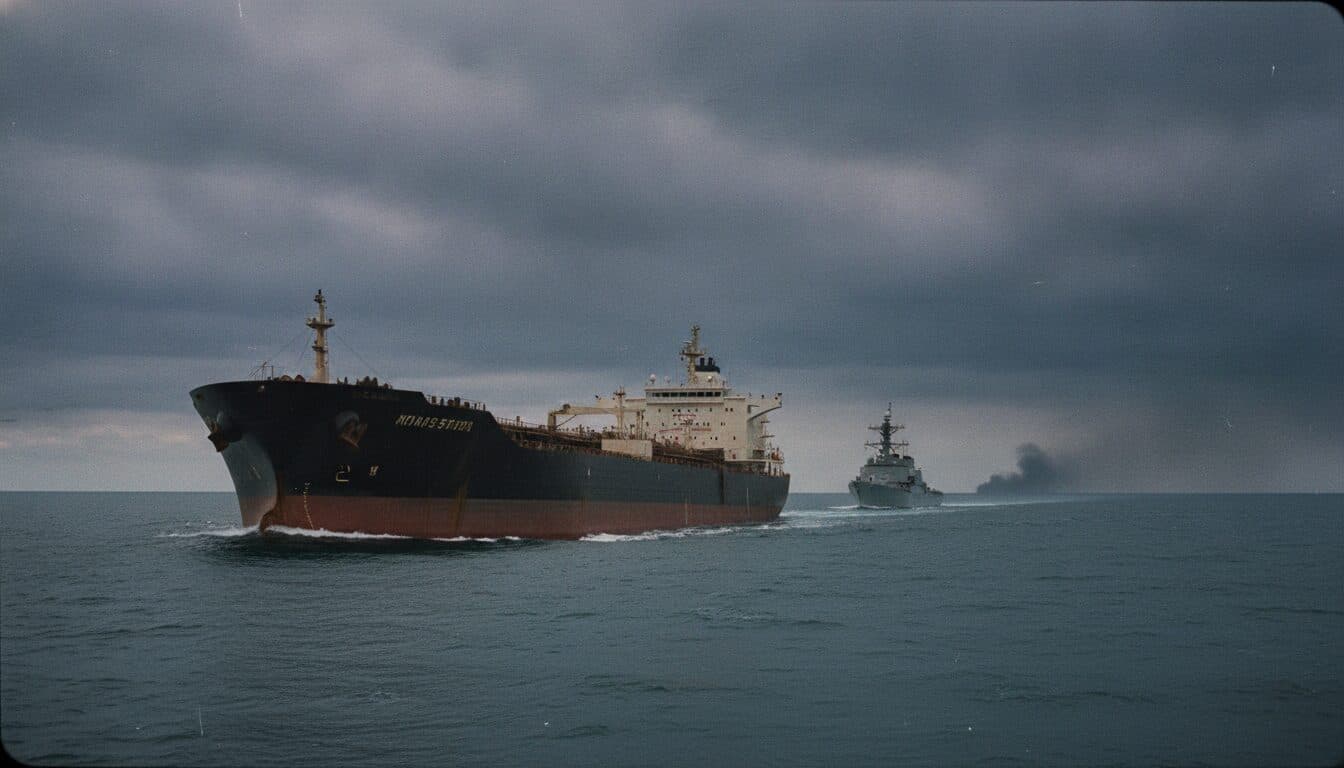
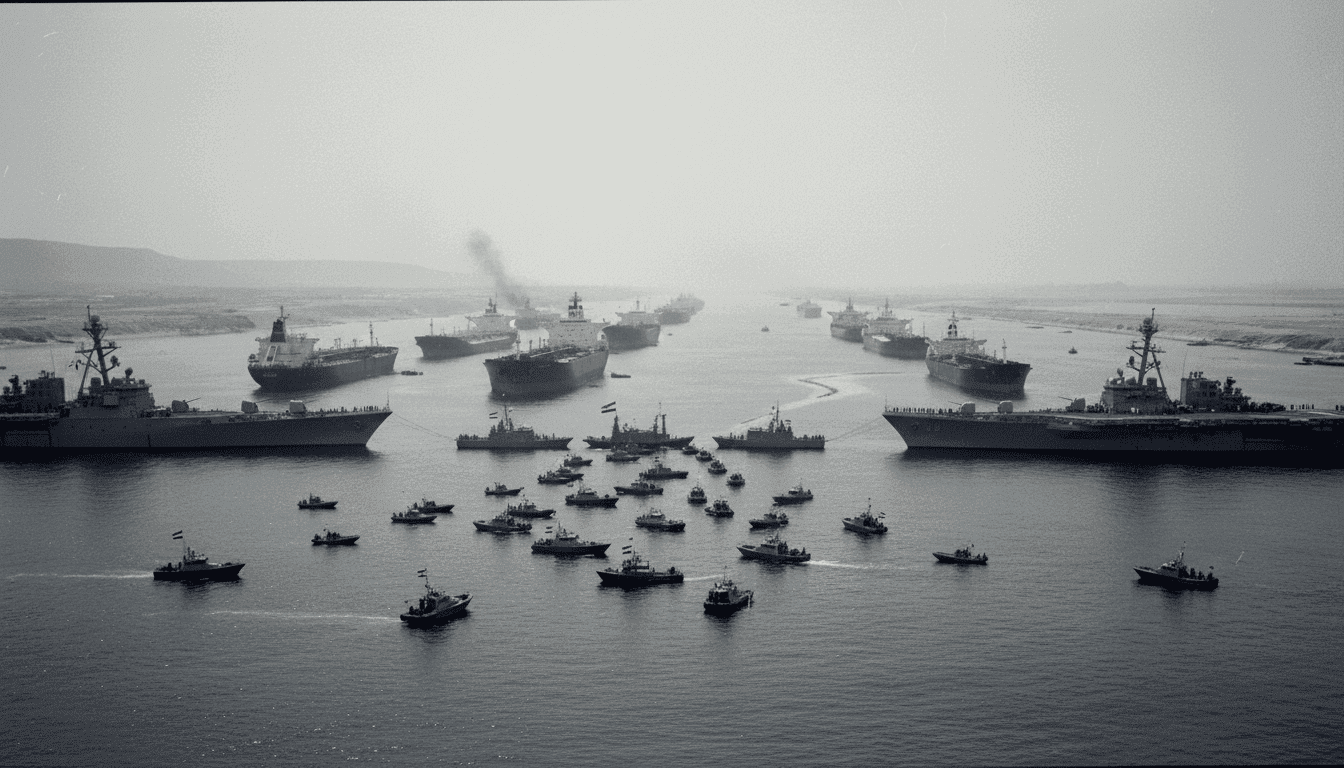
Adding to the complexity, the U.S. naval blockade of Iranian ports in the Strait of Hormuz remains firmly in place. Initiated on April 13, 2026, this blockade applies to all vessels entering or departing Iranian ports and coastal areas. U.S. Central Command (CENTCOM) reported that by April 21, American forces had directed 28 vessels to turn around or return to port, a stark illustration of the pressure being exerted. Treasury Secretary Scott Bessent has articulated the blockade’s objective: to “systematically degrade Tehran’s ability to generate, move, and repatriate funds” by crippling Iran’s maritime trade.
Iran has vehemently denounced the blockade as illegal and an act of piracy. Mahdi Mohammadi, an adviser to Iran’s parliament speaker, dismissed Trump’s extension as a “ploy to buy time for a surprise strike,” advocating for Iran to initiate military actions against the U.S., asserting that “the losing side cannot dictate terms.” This defiant stance follows Iran’s earlier closure of the Strait of Hormuz in response to the U.S. blockade, after a brief reopening.
Oil Markets React to Iran Ceasefire Extension
The volatility surrounding the Iran ceasefire and the stalled negotiations has sent ripples through global oil markets. On April 21, Brent crude prices wavered before Trump’s announcement, eventually rising from less than $95 to approximately $100 a barrel, settling at $98.48, a 3.1% increase. This contrasts sharply with April 8, when the initial two-week ceasefire announcement caused West Texas Intermediate (WTI) crude to plummet over 18% to $91.61, with Brent crude dropping below $100 a barrel. The continued halt of shipping traffic through the Strait of Hormuz, a critical conduit for global oil and liquefied natural gas (LNG) supplies, amplifies the market’s sensitivity to these geopolitical shifts.
U.S. stock futures saw gains on Tuesday evening following the ceasefire extension, with the Nasdaq 100, Dow Jones Industrial Average, and S&P 500 all climbing. However, earlier in the day, major indices had closed lower, each falling 0.6%, as investors braced for clarity. European stocks also experienced drops due to the prevailing uncertainty. The overall market sentiment remains highly responsive to developments, with sustained military posturing and unpredictable negotiations likely to maintain elevated volatility in energy and defense stocks.
“The extension of the ceasefire offers a sliver of hope for de-escalation, but the underlying tensions and the continued naval blockade ensure that markets will remain on edge. This isn’t a resolution; it’s a pause in a deeply complex and economically impactful conflict.”
The path forward is fraught with challenges. The U.S. appears intent on using economic pressure to compel Iran to the negotiating table, while Iran remains steadfast in its refusal to negotiate under duress. Pakistani mediation, while crucial in securing the ceasefire extension, faces an uphill battle in bridging the chasm between Washington and Tehran. The global economy, already navigating inflationary pressures and supply chain disruptions, watches anxiously as the fate of a significant portion of the world’s energy supply hangs in the balance.
For investors and policymakers alike, the key takeaway is the enduring fragility of the situation. The Iran ceasefire extension provides a temporary respite, but without substantive progress in negotiations and a clear path to de-escalation, the specter of renewed hostilities and further market disruption will continue to loom large. The coming weeks will be critical in determining whether this extension is merely a deferral of conflict or a genuine opening for a diplomatic breakthrough.