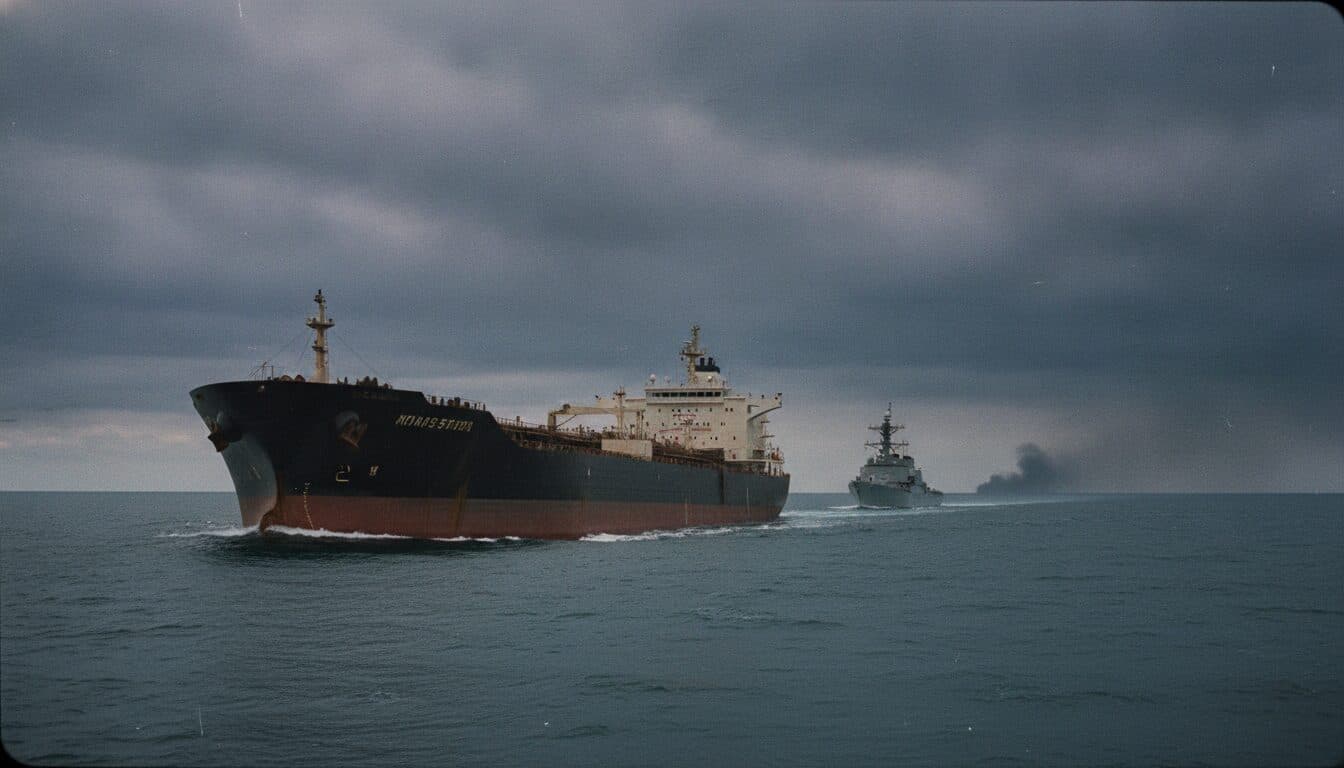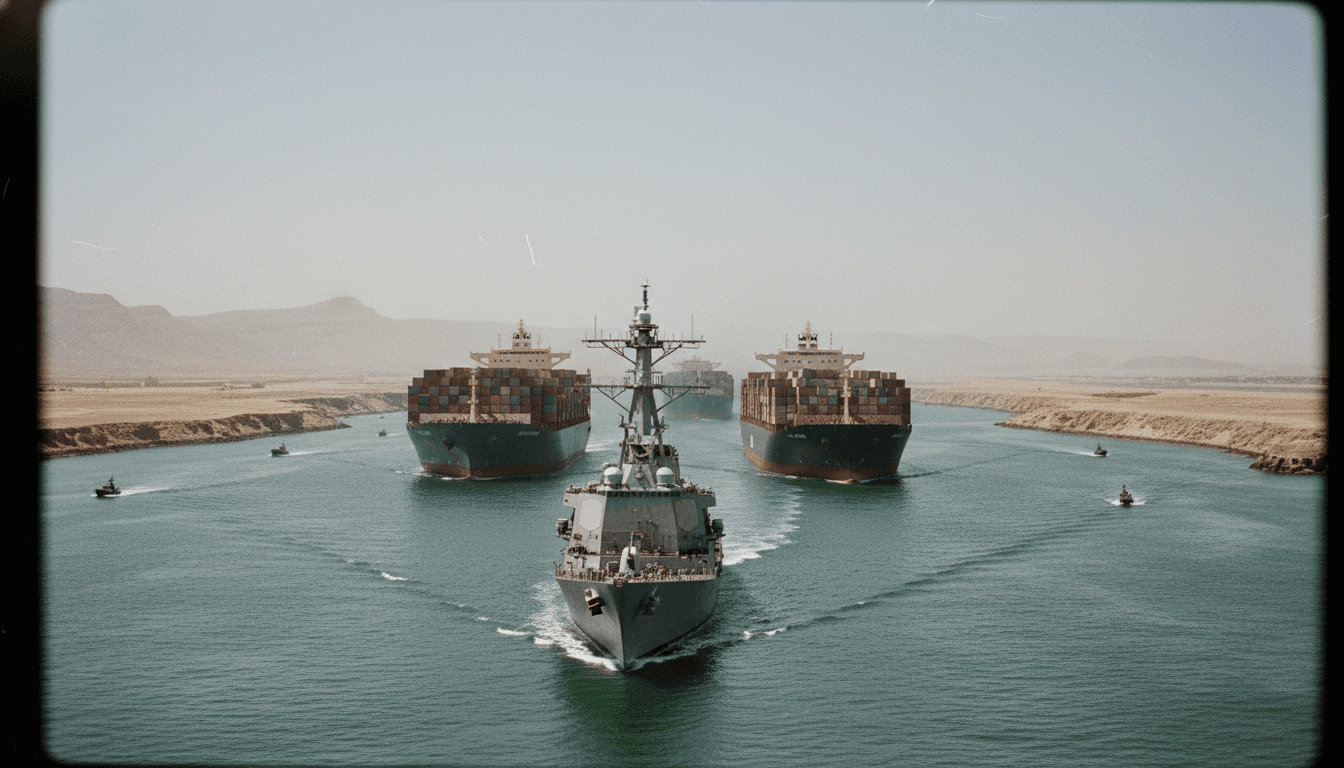
The global economy braces for potential escalation as former President Donald Trump announced ‘Project Freedom,’ a direct US intervention to escort neutral commercial vessels through the Strait of Hormuz. Set to commence Monday morning, May 4, Middle East time, this initiative marks a dramatic new phase in the ongoing tensions between the US and Israel against Iran, threatening to further destabilize a critical chokepoint for global energy supplies.
Trump described ‘Project Freedom’ as a “humanitarian gesture,” citing requests from numerous countries whose ships, unrelated to the conflict, are stranded in the strait and running low on essential supplies for their crews, many of whom hail from South and Southeast Asian nations. The operation will be supported by US Central Command (CENTCOM), deploying guided-missile destroyers, over 100 aircraft, and 15,000 service members to guide these vessels safely out of the restricted waterways. Trump issued a stark warning: “Any interference with this humanitarian process will, unfortunately, have to be dealt with forcefully.”
The announcement follows a reported attack on a cargo ship near the Strait of Hormuz on Sunday, May 3, by multiple small craft – one of at least two dozen such incidents in and around the strait since the Iran war began in late February. While all crew members on the unidentified northbound carrier were reported safe, the incident underscores the perilous environment. Iran, which has effectively closed the strait, denies this specific attack, claiming it was a stop for a documents check. Iranian officials have asserted their control, with deputy parliament speaker Ali Nikzad stating Tehran “will not back down from our position on the Strait of Hormuz, and it will not return to its prewar conditions.” Iran has also indicated that non-US or Israeli ships can pass if they pay a toll.
Global Energy Security Faces Unprecedented Challenge
The economic ramifications of the Strait of Hormuz closure and the ensuing ‘Project Freedom’ are profound and far-reaching. The International Energy Agency has characterized the ongoing disruptions as the “greatest global energy security challenge in history” and the “largest supply disruption in the history of the global oil market.” Brent crude prices have already surged past $100 per barrel, with some analysts forecasting scenarios where oil could hit $200 a barrel. This surge is fueling increased inflation, threatening global GDP growth, and raising fears of a systemic collapse of the Gulf Cooperation Council economic model. UN Secretary-General António Guterres has warned that the crisis could push tens of millions into poverty and trigger a surge in global hunger.
This latest development unfolds against a backdrop of escalating regional conflict. Since late February, the US and Israel have been engaged in hostilities with Iran, leading to the effective closure of the Strait of Hormuz, through which approximately one-fifth of the world’s oil and natural gas trade typically passes. The blockade has starved global markets of critical energy supplies, creating a ripple effect across economies worldwide.
Despite the military posturing, Trump mentioned that US representatives are engaged in “very positive discussions” with Iran, potentially leading to a “very positive outcome for all.” Iran is currently reviewing a US response to its latest 14-point peace proposal, which seeks to end the war within 30 days, lift US sanctions, end the naval blockade, and withdraw forces from the region. However, Trump expressed skepticism about a swift resolution, stating that Iran “has not yet paid a big enough price for what they have done to Humanity, and the World, over the last 47 years” since the Islamic Revolution. This sentiment suggests a significant chasm remains between the two sides, making a diplomatic breakthrough appear distant even as military tensions mount.
“The Strait of Hormuz is more than just a waterway; it’s the artery of global energy. Any military action, however framed, risks an economic heart attack.”
Looking ahead, the commencement of ‘Project Freedom’ is a high-stakes gamble. The potential for miscalculation or direct confrontation between US forces and Iranian assets is substantial, particularly given Iran’s stated resolve to maintain control over the strait. The global community will be watching closely for any incidents that could trigger a wider conflict, further disrupting trade routes and exacerbating the energy crisis. Investors and businesses should brace for continued volatility in energy markets and supply chains, as the geopolitical chessboard around the Strait of Hormuz becomes increasingly fraught. The success or failure of this humanitarian escort mission, and Iran’s response, will dictate the immediate future of global energy security and international relations in the Middle East. Related trending articles suggest that other global hotspots are also experiencing increased instability, further complicating the international outlook.
The key takeaway for our readers and investors is the critical fragility of global supply lines and the immense leverage held by choke points like the Strait of Hormuz. Trump’s ‘Project Freedom’ directly challenges Iran’s assertion of control, transforming a diplomatic and economic standoff into a potential military flashpoint. The implications for oil prices, inflation, and global economic stability cannot be overstated. Businesses with international supply chains and investors with exposure to energy markets should remain highly vigilant.