“`json
{
“headline”: “Trump Threatens Oman Amid Iran Deal Talks, Vows No Sanctions Relief”,
“content”: “
Global oil markets and financial institutions are bracing for heightened volatility after President Trump issued a stark warning to Oman, stating the nation “will behave just like everybody else, or we’ll have to blow them up.” This provocative declaration, made during a Cabinet meeting on Wednesday, May 27, 2026, escalates an already tense geopolitical landscape surrounding ongoing negotiations for a deal to end the war with Iran and reopen the critical Strait of Hormuz.
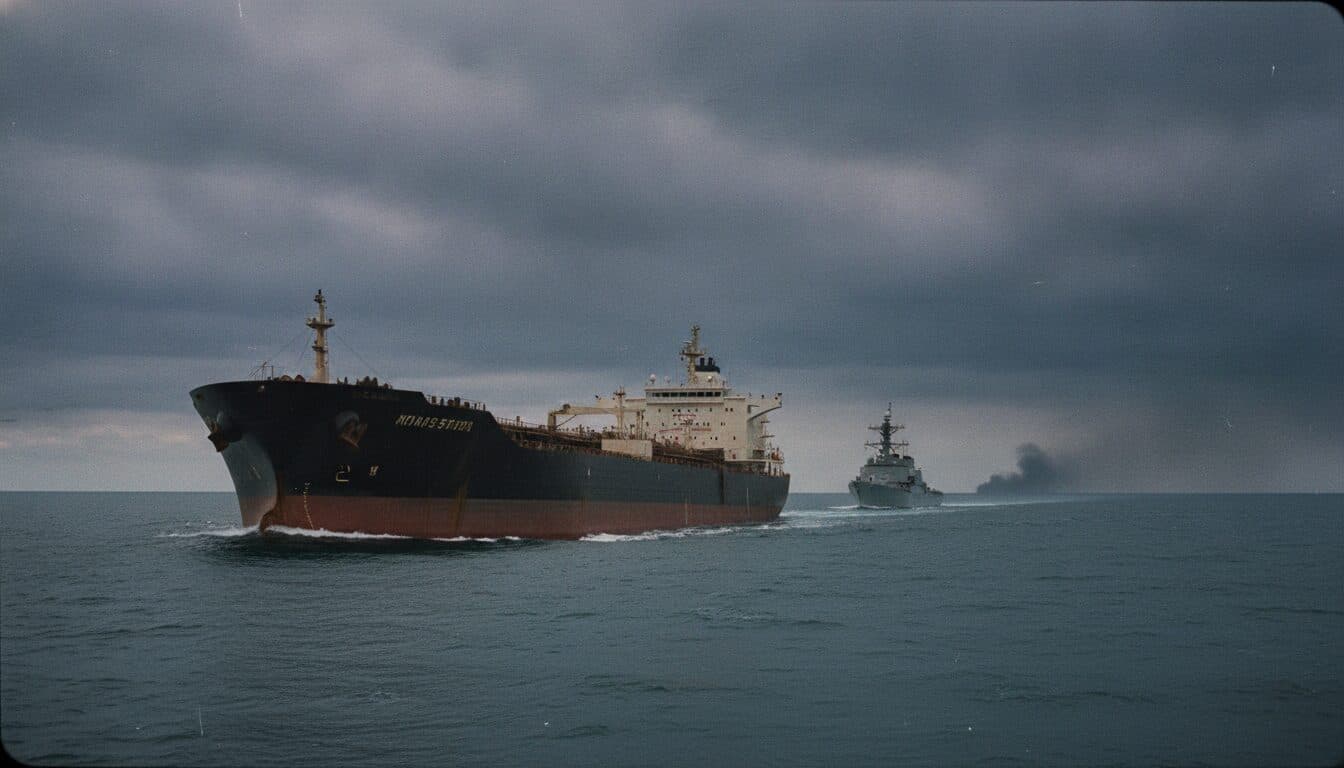
The President’s remarks came in direct response to reports of an unofficial draft agreement suggesting Iran and Oman might jointly manage shipping through the Strait of Hormuz. Trump firmly dismissed this notion, asserting the Strait of Hormuz is international waters, will remain open to all, and that the U.S. would “watch over it.” This waterway, a chokepoint for approximately a fifth of the world’s oil supplies, has been largely closed since late February 2026, following the onset of the U.S.-Israel war on Iran, triggering a severe global energy crisis. Iran had reportedly blockaded the strait and sought to assert sovereignty over it, a claim the U.S. unequivocally rejects.
Oman, a long-standing U.S. ally with decades of military and economic ties, has historically served as a crucial mediator between the U.S. and Iran, facilitating back-channel talks that paved the way for the 2015 nuclear deal. The recent reports of Oman discussing a fee system or joint control with Iran over the Strait of Hormuz have therefore been met with considerable surprise, given this established diplomatic role and alliance.
Trump Threatens Oman: Geopolitical Implications
The current negotiations between the United States and Iran have been protracted, with Oman hosting indirect talks in Muscat in April 2025 and Rome in April 2025. President Trump had previously sent a letter to Iranian Supreme Leader Ali Khamenei on March 7, 2025, expressing a desire for new nuclear negotiations while simultaneously warning of military consequences if his proposal was not accepted. He also reinstated a “maximum pressure campaign” in February 2025, aimed at compelling Iran into a new nuclear deal and curbing its regional influence.
Key demands from the Trump administration remain unwavering: Iran must fully dismantle its nuclear program, halt all enrichment, and cease support for regional proxy groups. A significant point of contention revolves around Iran’s stockpile of highly enriched uranium, which the U.S. insists Iran must turn over for destruction or destroy under supervision. Trump has been explicit that the U.S. will not grant any sanctions relief until Iran “behaves properly” and meets these demands to relinquish its enriched uranium.
Despite reports from some administration officials over the weekend of May 23-24, 2026, suggesting a deal was “95% there,” President Trump has maintained a hardline stance, stating he would not agree to a “crummy agreement.” He has also dismissed proposals for Russia or China to take control of Iran’s enriched uranium, underscoring his administration’s intent for Iran to directly address its nuclear material.
“The President’s uncompromising stance on the Strait of Hormuz and sanctions relief signals a protracted period of uncertainty. Investors should brace for continued market jitters, particularly in energy and shipping sectors, as the diplomatic tightrope walk continues.”
The economic repercussions of U.S. sanctions on Iran have been profound. Re-imposed in November 2018 after the U.S. withdrawal from the Joint Comprehensive Plan of Action (JCPOA), these sanctions have led to a collapse in oil production and GDP growth, a weakening currency, and surging inflation within Iran. The International Monetary Fund (IMF) forecasted a contraction of the Iranian economy by 1.5 percent in 2018 and 3.6 percent in 2019. Oil exports have fallen dramatically, and unemployment has risen, particularly among younger workers. The sanctions have also severely limited Iran’s access to international finance and penalized multinational companies dealing in U.S. dollars. Studies indicate that sanctions have directly diminished GDP and heightened inflation rates, impacting Iran’s trade, foreign investment, and domestic production. The Iranian middle class has been particularly hard hit, experiencing lower per capita income and disrupted trade and investment.
The immediate impact of President Trump’s threat against Oman is likely to manifest in heightened oil price volatility. With the Strait of Hormuz remaining largely closed, any perceived escalation in tensions could send crude benchmarks soaring further. Shipping companies and insurers will be closely monitoring developments, anticipating increased risk premiums for transit through the region. For global financial markets, the uncertainty surrounding a potential conflict with Iran, coupled with the U.S.’s willingness to confront allies, introduces a significant risk factor. Investors may seek safe-haven assets, while equities linked to global trade and energy consumption could face headwinds.
Looking ahead, the path to a resolution remains fraught with challenges. The U.S. administration’s unwavering demands for Iran to dismantle its nuclear program and relinquish enriched uranium, coupled with the threat of military action, leaves little room for compromise. The role of Oman as a mediator has been complicated by the recent threat, potentially pushing the long-standing ally into an uncomfortable position. The international community will be watching closely for any signs of de-escalation or, conversely, further escalation, which could have catastrophic consequences for global stability and the world economy. The immediate future will likely involve continued high-stakes negotiations, interspersed with periods of intense diplomatic pressure and market reactions. Related trending articles suggest that other regional powers are also reassessing their positions in light of these developments.
The key takeaway for investors and policymakers is the critical importance of the Strait of Hormuz and the high stakes involved in the U.S.-Iran standoff. President Trump’s explicit threat to Oman underscores the administration’s determination to control this vital waterway and enforce its demands on Iran. The absence of sanctions relief until Iran fully complies means that the economic pressures on Tehran will persist, with ripple effects across global energy markets and international trade. This volatile situation demands continuous monitoring and strategic foresight from all stakeholders.
“,
“excerpt”: “President Trump threatened Oman amid Iran deal talks, stating the country \”will behave just like everybody else, or we’ll have to blow them up,\” fueling global oil market volatility and raising geopolitical tensions.”,
“keywords”: [
“Trump Oman threat”,
“Iran deal talks”,
“Strait of Hormuz”,
“Sanctions relief”,
“Global oil prices”
],
“seoTitle”: “Trump Threatens Oman Amid Iran Deal Talks, Vows No Sanctions Relief – The Financial Standard”,
“seoDescription”: “President Trump’s threat against Oman amid Iran deal talks escalates geopolitical tensions, impacting global oil prices and financial markets as the U.S. vows no sanctions relief without full compliance from Iran.”,
“focusKeyphrase”: “Trump Threatens Oman”,
“slug”: “trump-threatens-oman-iran-deal-talks-sanctions-relief”,
“imageAlt”: “President Trump at a cabinet meeting, with a map of the Middle East in the background, specifically highlighting Oman and the Strait of Hormuz.”,
“imageScene”: “A tense, formal setting with President Trump speaking, indicating a high-stakes political discussion.”
}
“`