“`json
{
“headline”: “US Ramps Up Cuba Surveillance Flights Amid Regional Tensions”,
“content”: “
The skies above the Caribbean have become a new flashpoint, as the United States significantly escalates its military surveillance flights near Cuba. Since February 4, 2026, at least 25 such operations have been reported, a surge in activity unprecedented in recent years that is fueling concerns about potential escalations and a stark shift in geopolitical dynamics. This intensified presence, tracked through publicly available aviation data, signals a hardening of U.S. posture towards Havana amidst escalating regional tensions and a renewed focus on foreign influence in the Western Hemisphere.
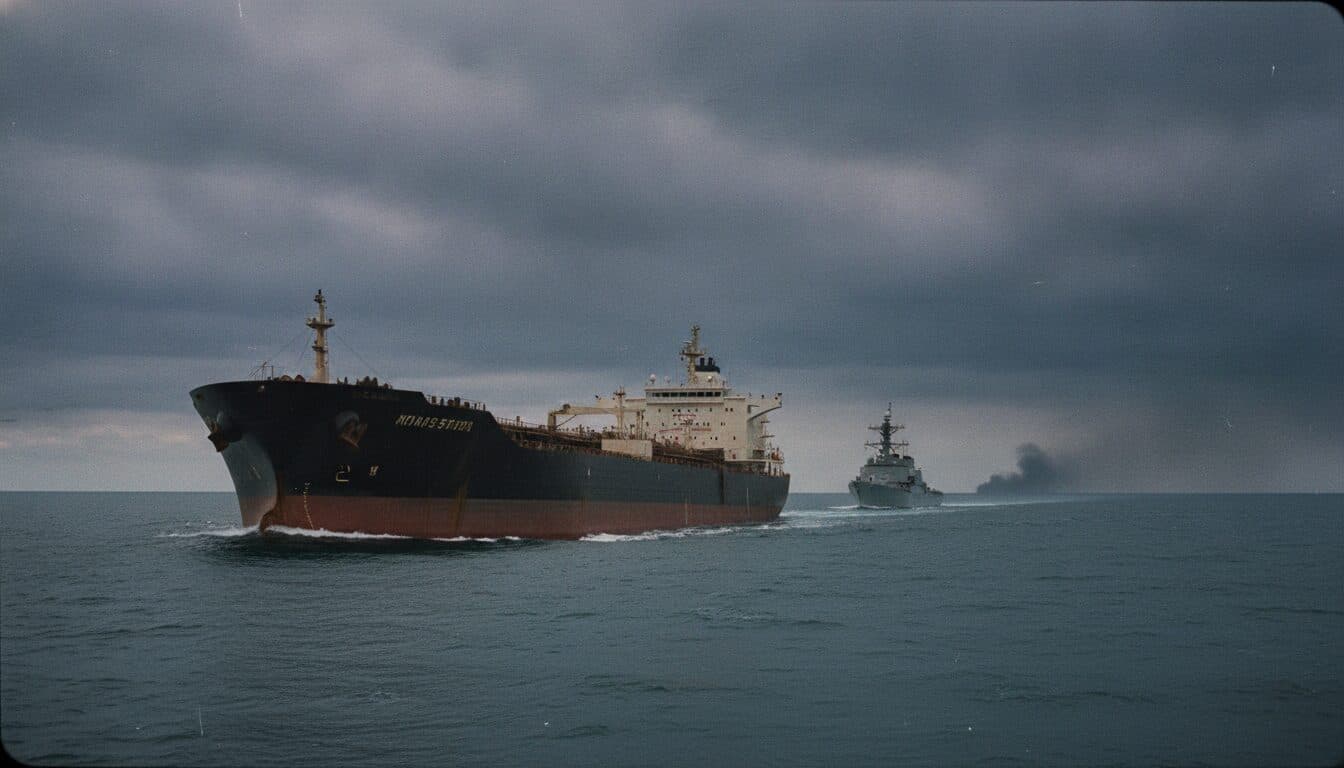
The scale of this military activity is considerable. Over the past three months, U.S. forces have deployed a combination of manned aircraft and advanced drones, including P-8A Poseidon maritime patrol aircraft, RC-135V Rivet Joint reconnaissance aircraft, and MQ-4C Triton high-altitude reconnaissance drones. These sophisticated platforms are designed for intelligence gathering across vast maritime and aerial expanses. Disturbingly for Havana, some of these flights have ventured less than 65 kilometers (40 miles) from the Cuban coastline, notably near major urban centers like Havana and Santiago de Cuba, placing them well within range for comprehensive intelligence collection.
US Ramps Up Cuba Surveillance, Signaling Strategic Shift
The financial commitment underscores the seriousness of this deployment. The U.S. military’s current posture in the Caribbean is estimated to cost $3 billion, marking the largest such deployment since the 1962 Cuban Missile Crisis. This substantial investment highlights a strategic recalibration, suggesting that the U.S. views the situation with a gravity not seen in decades. The fact that American planes have not concealed their location by turning off transponders, a common practice for covert operations, could indicate a deliberate signal to Cuba and its allies, projecting strength and intent.
This heightened surveillance activity does not occur in a vacuum. It coincides with a period of escalating tensions and increasingly aggressive rhetoric from the Trump administration towards Cuba. Since January 2026, the administration has imposed over 240 sanctions against Cuba, including an oil blockade designed to amplify economic pressure on the island. This strategy aims to exacerbate Cuba’s existing economic crisis, with the potential to destabilize its government. President Donald Trump has publicly articulated his intent to visit a \”free Havana,\” declaring that \”Cuba is next,\” hinting at potential military action. Secretary of State Marco Rubio further intensified this rhetoric on April 27, warning that Cuba faces \”two paths: neither good,\” and accusing the regime of harboring Chinese and Russian intelligence assets.
“The sustained increase in intelligence flights, combined with stricter sanctions and aggressive rhetoric, raises profound questions about the true objectives beyond mere surveillance.”
A significant driver behind the U.S. posture appears to be concerns about foreign influence. U.S. officials have cited \”national security threats\” stemming from increased intelligence and logistics cooperation between Cuba, China, and Russia. Washington fears that Beijing could establish advanced surveillance or intelligence capabilities in Cuba, potentially enabling monitoring of U.S. military bases and critical infrastructure along the East Coast. Analysts at CNN have drawn parallels to similar surges in intelligence activity that preceded U.S. military operations in Venezuela and Iran, utilizing the same types of aircraft now observed near Cuba, lending weight to the speculation of more assertive actions.
Cuba’s response has been defiant. On May 3, Cuban President Miguel Díaz-Canel declared, \”every Cuban man and woman has a rifle,\” asserting that \”no aggressor, no matter how powerful, will find surrender in Cuba.\” The Cuban military has reportedly conducted war drills, underscoring their preparedness for potential conflict. This rhetoric and military posturing from Havana indicate that they perceive the increased U.S. presence as a direct threat, raising the stakes in an already volatile region. For investors and businesses with interests in the Caribbean, the escalating tensions introduce an unwelcome layer of uncertainty, potentially impacting tourism, trade routes, and regional stability. Related trending articles on geopolitical shifts highlight the broader implications of such military posturing.
The immediate implications of this surge in surveillance are manifold. While the U.S. government has remained publicly silent on the specific reasons for these operations, the activity is consistent with standard intelligence gathering and maritime surveillance. However, the sheer volume and proximity suggest more than routine monitoring. These flights could be a strategic posture by the U.S. aimed at disrupting \”illicit maritime networks\” and drug cartels, or more pointedly, at monitoring potential Chinese military activity. The unsettling effect on Cuban officials is palpable, and the potential for miscalculation or accidental escalation remains a significant concern.
Looking ahead, the trajectory of this situation is uncertain. Expert predictions range from continued economic pressure and intelligence gathering to more direct interventions, depending on the perceived threats from Cuba’s international alliances. Investors should closely monitor diplomatic communications and any further military movements. The White House’s next statements, coupled with Cuba’s reactions, will be critical in determining whether this regional tension cools or intensifies. The $3 billion deployment cost alone signifies a long-term commitment, suggesting that the U.S. is prepared for a sustained period of heightened vigilance and potential confrontation.
The key takeaway for readers and investors is the profound shift in the U.S.-Cuba relationship. The era of tentative rapprochement appears to be definitively over, replaced by a renewed Cold War-style posture driven by geopolitical competition and national security concerns. The increased surveillance flights are not merely intelligence missions; they are a powerful, visible manifestation of a strategic recalibration that could reshape the Caribbean’s political and economic landscape for years to come.
“,
“excerpt”: “The United States has significantly increased its military surveillance flights near Cuba, with at least 25 operations reported since February 4, 2026. This unprecedented surge, utilizing P-8A Poseidon, RC-135V Rivet Joint, and MQ-4C Triton aircraft, occurs amidst escalating regional tensions and aggressive rhetoric from the Trump administration. With some flights less than 65 kilometers from the Cuban coastline and a $3 billion deployment cost, concerns are rising about potential escalations and shifts in geopolitical dynamics, particularly regarding foreign influence from China and Russia. Cuba has responded defiantly, warning of escalation and conducting war drills.”,
“keywords”: [
“US Cuba surveillance”,
“Regional tensions”,
“Military flights Cuba”,
“Geopolitical dynamics”,
“Trump administration Cuba”
],
“seoTitle”: “US Ramps Up Cuba Surveillance Flights Amid Regional Tensions”,
“seoDescription”: “The US has significantly increased military surveillance flights near Cuba, with 25 operations since February 4, 2026. This escalation, costing $3 billion, signals heightened regional tensions and a shift in geopolitical dynamics, driven by concerns over foreign influence and aggressive rhetoric from the Trump administration.”,
“focusKeyphrase”: “US ramps up Cuba surveillance”,
“slug”: “us-ramps-up-cuba-surveillance-flights-regional-tensions”,
“imageAlt”: “US military surveillance aircraft flying near the Cuban coastline”,
“imageScene”: “A P-8A Poseidon aircraft with the Cuban coastline visible in the distance under a clear sky.”
}
“`