“`json
{
“headline”: “US Envoys Head to Pakistan for Iran Peace Talks”,
“content”: “
Global oil markets are bracing for potential shifts as US envoys head to Pakistan for Iran peace talks, a diplomatic push coinciding with an extended ceasefire in the Middle East. The delicate negotiations, centered in Islamabad, carry significant geopolitical weight, with implications for energy prices, regional stability, and the broader global economy. The financial world watches closely as the United States and Iran navigate a complex diplomatic landscape, attempting to de-escalate tensions that have seen Brent crude surpass US$100 per barrel for the first time in four years.
President Trump’s special envoys, Steve Witkoff and Jared Kushner, arrived in Islamabad today, Saturday, April 25, 2026, for anticipated discussions with Iranian Foreign Minister Abbas Araghchi, who landed in the Pakistani capital yesterday. This latest round of diplomatic engagement follows previous indirect talks in Geneva on February 27, 2026, which concluded without a deal regarding Tehran’s nuclear program. The White House has indicated that Iran initiated this in-person conversation, with Press Secretary Karoline Leavitt noting \”some progress from the Iranian side in the last couple of days.\”
However, the nature of these talks remains a point of contention. Iran’s Foreign Ministry spokesperson, Esmaeil Baqaei, has explicitly stated that \”No meeting is planned to take place between Iran and the U.S.\” during Araghchi’s visit. Instead, Pakistani officials are expected to serve as intermediaries, relaying messages between the delegations. This aligns with Iran’s consistent stance of refusing direct negotiations with the US while the American naval blockade of its ports remains in effect.
Impact of US Envoys Head to Pakistan for Iran Peace Talks on Global Energy
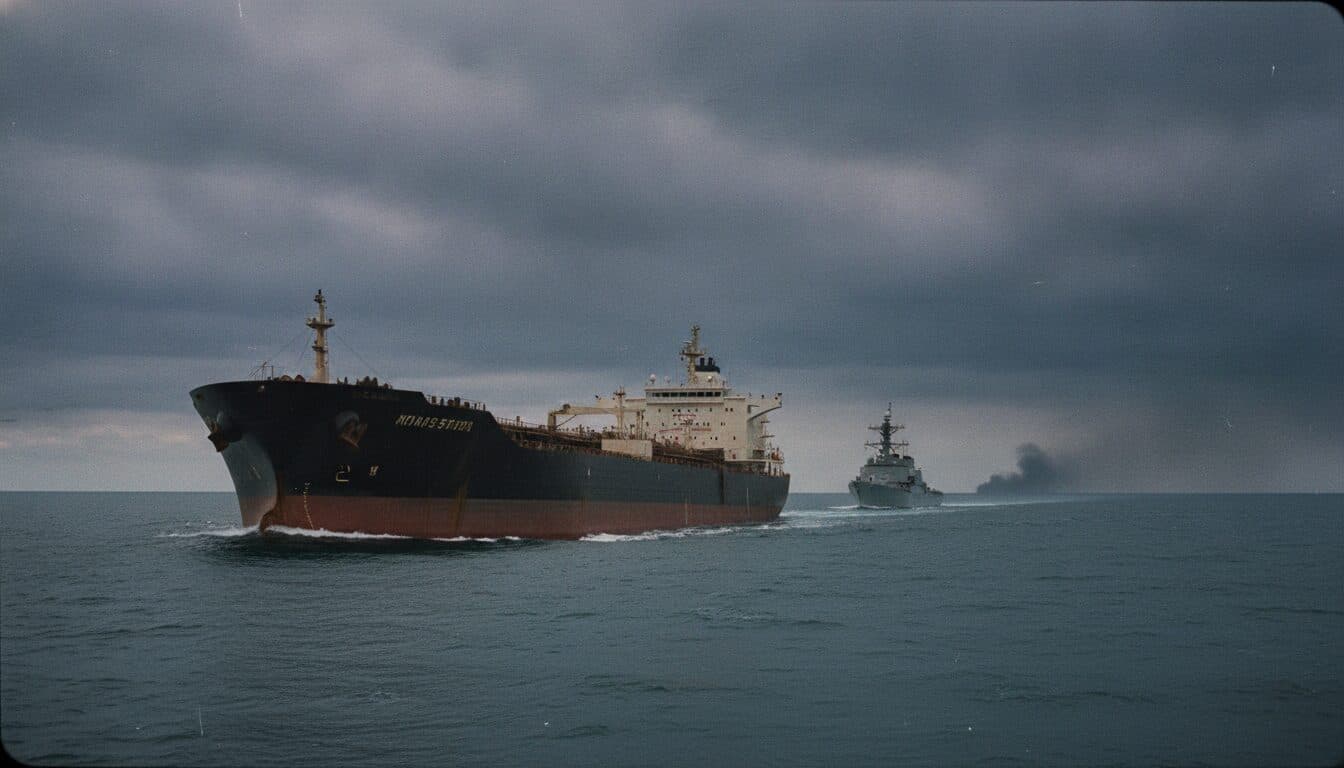
The geopolitical tensions surrounding these talks, particularly concerning the Strait of Hormuz, have had a profound impact on global oil markets. The Strait, a vital chokepoint between Iran and Oman, through which approximately 20% of the world’s seaborne oil trade passes, has seen its effective closure since early March 2026. This disruption has sent shockwaves through the energy sector, leading to a significant surge in oil prices. Brent crude, a global benchmark, surpassed US$100 per barrel on March 8, 2026, and peaked at US$126 per barrel, marking the largest disruption to world energy supply since the 1970s energy crisis. The closure has also affected other commodity markets, including aluminum, fertilizer, and helium, highlighting the interconnectedness of global supply chains.
In an effort to stabilize energy prices and ease oil and gas shipments to the US, President Trump previously issued a 90-day extension to the Jones Act waiver. This measure, coupled with the extended ceasefire between Israel and Lebanon, underscores the administration’s efforts to mitigate the economic fallout of regional instability. The initial 10-day ceasefire, which began on April 16, 2026, was extended for three weeks by President Trump on Thursday, April 23, 2026, during the second round of peace talks at the White House involving Israeli and Lebanese ambassadors.
“The current diplomatic efforts, however indirect, represent a crucial juncture for global energy markets and regional stability. The stakes are incredibly high, not just for the involved nations, but for every economy reliant on predictable oil flows.”
The context of these talks is steeped in years of strained relations and escalating tensions. The previous indirect discussions in Geneva failed to yield a breakthrough on Iran’s nuclear program, leaving many questions unanswered. The White House’s assertion of progress and Iran’s insistence on indirect communication create a delicate dance of diplomacy, where every statement and gesture is meticulously analyzed for underlying intent. The presence of high-profile US envoys like Jared Kushner signifies the Trump administration’s commitment to finding a resolution, even if the path forward remains fraught with challenges.
Looking ahead, the immediate focus will be on the messages conveyed through Pakistani intermediaries. Any indication of a willingness from Iran to engage in direct talks, or a softening of its stance on the naval blockade, would be a significant development. Conversely, a failure to find common ground could lead to a re-escalation of tensions, further impacting global oil prices and potentially destabilizing the broader Middle East. Expert predictions remain cautious, with many emphasizing the historical complexities of US-Iran relations and the deep-seated distrust that permeates these interactions.
For readers and investors, the key takeaway from this unfolding narrative is the profound sensitivity of global markets to geopolitical events. The Strait of Hormuz’s closure serves as a stark reminder of the vulnerability of critical supply lines and the immediate economic repercussions that can follow. As US envoys head to Pakistan for Iran peace talks, the world holds its breath, hoping for a diplomatic breakthrough that can restore stability and predictability to a volatile region and its vital energy resources.
“,
“excerpt”: “US envoys are in Pakistan for Iran peace talks, a diplomatic effort crucial for global oil markets and Middle East stability amidst an extended ceasefire.”,
“keywords”: [
“US Envoys”,
“Iran Peace Talks”,
“Pakistan”,
“Strait of Hormuz”,
“Oil Prices”
],
“seoTitle”: “US Envoys Head to Pakistan for Iran Peace Talks Amidst Ceasefire Extension”,
“seoDescription”: “US envoys Steve Witkoff and Jared Kushner are in Pakistan for Iran peace talks, aiming to de-escalate tensions and stabilize global oil markets amidst a Middle East ceasefire extension.”,
“focusKeyphrase”: “US Envoys Head to Pakistan for Iran Peace Talks”,
“slug”: “us-envoys-head-to-pakistan-for-iran-peace-talks”,
“imageAlt”: “US Envoys Steve Witkoff and Jared Kushner arriving in Islamabad for Iran peace talks”,
“imageScene”: “Diplomatic meeting in Islamabad”
}
“`