“`json
{
“headline”: “US, Iran resume talks in Switzerland amid Strait of Hormuz closure threat”,
“content”: “
Global financial markets and energy sectors are on high alert as US and Iranian negotiators reconvene in Switzerland today, Saturday, June 20, 2026, to solidify an interim agreement aimed at halting the recent conflict. These critical talks unfold just hours after Iran announced the closure of the Strait of Hormuz, citing Israeli attacks in Lebanon and a perceived breach of US commitments. This development has immediate and profound implications for global oil supply and prices, casting a shadow over the nascent peace efforts.
The high-stakes discussions are taking place at the Bürgenstock Resort overlooking Lake Lucerne, with a formidable lineup of delegates. The Iranian team is led by Parliamentary Speaker Mohammad Bagher Ghalibaf and Foreign Minister Abbas Araghchi, alongside key central bank and oil officials, underscoring the economic dimension of these negotiations. Representing the United States are Vice President JD Vance, Special Envoy Steve Witkoff, and adviser Jared Kushner. The delicate diplomatic dance is being facilitated by mediators from Pakistan and Qatar.
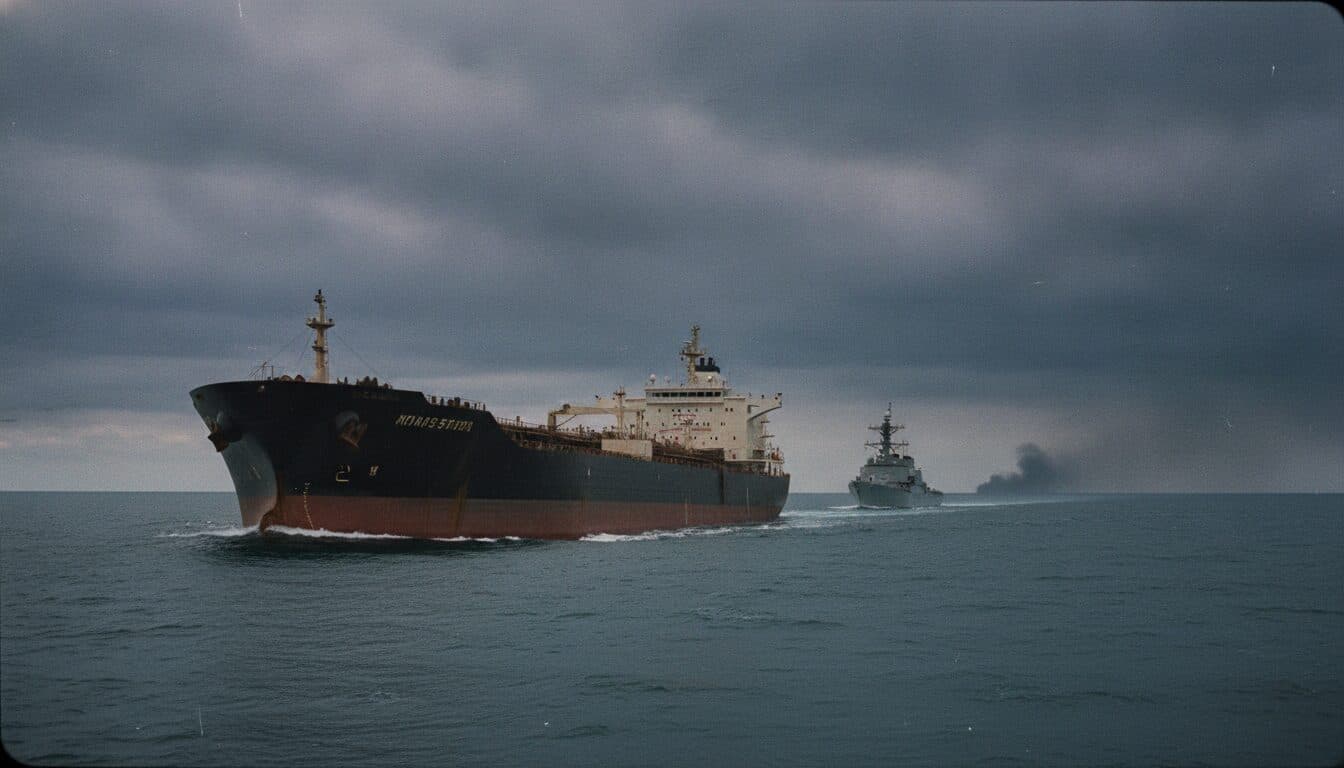
Iran’s Revolutionary Guard Corps has issued warnings for vessels to avoid the Strait of Hormuz, claiming its closure is a direct response to continued Israeli strikes in Lebanon and a failure by the US to enforce the cessation of hostilities. This move, if sustained, would dramatically disrupt the flow of global energy. However, the US Central Command (CENTCOM) has denied the strait is closed, asserting that traffic continues to flow and US forces are actively monitoring the situation. Vice President Vance echoed this sentiment, stating unequivocally that the straits remain open.
The current talks aim to flesh out the details of a Memorandum of Understanding (MoU) electronically signed on June 17, 2026, by US President Donald Trump and Iranian President Masoud Pezeshkian. This interim agreement calls for an immediate and permanent termination of military operations on all fronts, including Lebanon, and crucially, the reopening of the Strait of Hormuz. It also outlines a 60-day ceasefire period to facilitate further negotiations on Iran’s nuclear program and potential sanctions relief. The initial signing of this MoU saw Brent crude prices drop by approximately 4% to around $83, while wholesale gas prices in Europe fell by 6%, reflecting the market’s initial optimism for de-escalation.
The Strait of Hormuz is an indispensable chokepoint for global energy, having previously handled an estimated 20-25% of the world’s seaborne oil trade and 20% of liquefied natural gas (LNG). The waterway has been largely closed since February 28, 2026, following the onset of the conflict, leading to a significant global fuel crisis and a sharp decline in maritime transit. Analysts suggest that even with a full reopening, it could take weeks or months for shipping to return to pre-war levels and for energy prices to fully recover, given the lingering risks and extensive damage to energy infrastructure.
The core of the interim agreement hinges on a complete cessation of hostilities, particularly in Lebanon. Yet, the past 24 hours have seen continued Israeli attacks in Lebanon, resulting in more than a dozen fatalities overnight Saturday. Hezbollah, an Iranian-backed militant group, has simultaneously maintained its projectile launches, claiming retaliation for Israeli advances. This ongoing conflict in Lebanon presents a significant hurdle, with Iran insisting on US enforcement of a halt to Israeli military operations there. Israeli Prime Minister Benjamin Netanyahu has publicly stated that Israel will not withdraw its forces from southern Lebanon until all threats are eliminated, highlighting the deeply entrenched positions.
“The fragility of this peace process is starkly evident in the continued violence in Lebanon and the immediate reaction from Tehran regarding the Strait of Hormuz. The market’s initial relief after the MoU signing could quickly dissipate if these core issues are not decisively addressed.”
In a direct response to Iran’s announced closure of the Strait of Hormuz, US President Donald Trump has threatened to impose American tolls in the waterway if a final deal with Iran is not reached within 60 days. President Trump stated the money would be for “services rendered as the Guardian Angel to the countries of the Middle East.” This stance directly contradicts the interim agreement’s provision for toll-free travel for the initial 60-day period. The talks, initially slated for Friday, June 19, were postponed due to the escalating fighting in Lebanon, and an emergency session dedicated to the Israel-Hezbollah conflict has been added to today’s agenda.
While the interim deal did unfreeze billions of dollars of Iran’s assets and lifted the US blockade of Iran’s ports, allowing Tehran to sell its oil freely, the current tensions surrounding the Strait of Hormuz and the persistent conflict in Lebanon underscore the precarious nature of this peace initiative. The success of these discussions will depend on the ability of both sides to navigate these complex geopolitical flashpoints and secure tangible commitments that extend beyond paper agreements. The world watches closely as Washington and Tehran attempt to steer away from further escalation and toward a more stable regional future.
“,
“excerpt”: “US and Iranian negotiators have resumed critical talks in Switzerland today, Saturday, June 20, 2026, aimed at solidifying an interim agreement to halt the war. This comes hours after Iran announced the closure of the Strait of Hormuz, citing Israeli attacks in Lebanon and perceived US breaches. The development has significant implications for global oil supply and prices, with the US denying the strait’s closure while markets remain volatile.”,
“keywords”: [
“US Iran talks”,
“Strait of Hormuz”,
“global oil supply”,
“geopolitical ramifications”,
“Switzerland negotiations”
],
“seoTitle”: “US, Iran resume Switzerland talks amid Strait of Hormuz closure threat”,
“seoDescription”: “US and Iranian negotiators meet in Switzerland today to solidify an interim peace agreement. The talks are overshadowed by Iran’s threat to close the Strait of Hormuz due to Israeli attacks in Lebanon, with major implications for global oil markets.”,
“focusKeyphrase”: “Strait of Hormuz closure”,
“slug”: “us-iran-resume-talks-switzerland-strait-hormuz-closure-threat”,
“imageAlt”: “Diplomats shaking hands with a backdrop of the Bürgenstock Resort overlooking Lake Lucerne, symbolizing US-Iran talks”,
“imageScene”: “A panoramic view of the Bürgenstock Resort in Switzerland, with a focus on a modern conference room where delegates are seated. A large window overlooks Lake Lucerne. The mood is tense but professional, with US and Iranian flags subtly present.”
}
“`