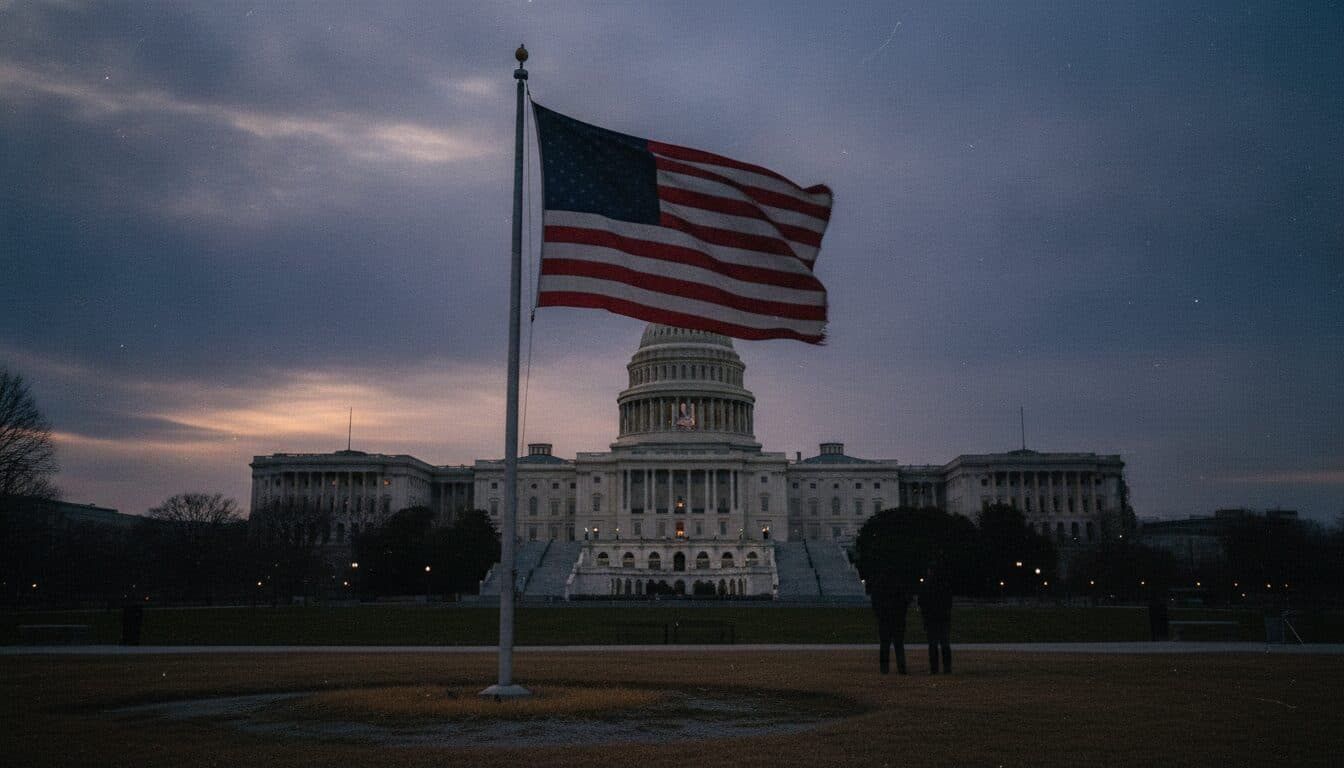
A U.S. trade court has struck down Trump tariffs for a second time, a decision that reverberates through international trade relations and could significantly impact consumer prices worldwide. On Thursday, May 7, 2026, the U.S. Court of International Trade (CIT) delivered a 2-1 ruling against President Trump’s latest 10% global tariffs, finding them unjustified under Section 122 of the Trade Act of 1974. This judgment marks another critical legal setback for the administration’s aggressive trade policies and follows a Supreme Court decision earlier this year that invalidated a prior set of Trump-era tariffs.
The latest ruling centered on the administration’s attempt to reimpose duties after the Supreme Court’s 2025 decision. Following that earlier legal defeat, the White House pivoted to Section 122, a provision allowing for temporary duties to correct serious “balance of payments deficits” or prevent imminent currency depreciation. However, the CIT determined that the trade deficits cited by the Trump administration did not meet the stringent legal threshold required by this specific statute. The challenge was spearheaded by small businesses, including toy importer Basic Fun, who contended that these new tariffs were a direct maneuver to sidestep the Supreme Court’s earlier injunction.
The Unraveling of Trump-Era Trade Policy
This is not the first time the judicial branch has curtailed the executive’s expansive use of tariff authority. The U.S. Supreme Court had previously invalidated a more aggressive set of tariffs imposed in 2025, which were levied under the International Emergency Economic Powers Act (IEEPA). That landmark ruling asserted that the IEEPA tariffs exceeded presidential authority, a significant victory for the constitutional separation of powers and a relief for American importers. The initial, emergency tariffs struck down by the Supreme Court had already cost importers tens of billions of dollars, with an estimated $166 billion in tariff refunds now expected to be paid out. Some analysts suggest the total value of these refunds could climb as high as $175 billion, representing a substantial financial injection back into the U.S. economy.
“The Supreme Court’s decision in 2025 was welcome news for American importers, the United States economy, and the rule of law,” stated Scott Lincicome, Vice President of General Economics at the Cato Institute. He further emphasized the critical need for the federal government to refund the billions of dollars in customs duties illegally collected.
The financial implications of these rulings are immense. The New York Federal Reserve previously found that nearly 90% of the economic burden of the earlier tariffs fell directly on U.S. firms and consumers. The Yale Budget Lab estimated the original cost of tariffs per household to be roughly $1,700 per year. While the immediate impact on consumer prices from this latest CIT ruling is not expected to be an overnight change, the potential for refunds and the definitive removal of these specific tariffs could pave the way for some price reductions in the coming months, offering a much-needed respite for households battling inflation.
Global Trade Shifts and Market Reactions
The initial Supreme Court ruling in February 2026, which struck down the earlier tariffs, triggered a modest but noticeable rally in U.S. and European stock markets. Analysts at the time highlighted that the decision reduced a significant layer of uncertainty in U.S. trade policy, an unpredictability that had made long-term projections and investment plans exceedingly difficult for businesses across various sectors. The current ruling by the Court of International Trade is expected to further impact markets and businesses as they continue to navigate the shifting sands of U.S. trade policy. This ongoing legal battle over the President’s authority to impose tariffs without explicit congressional approval underscores the inherent tension between executive power and legislative oversight in international commerce.
The U.S. trade court strikes down Trump tariffs, forcing businesses to reassess supply chains and pricing strategies. This legal precedent could embolden other nations to challenge similar unilateral trade actions, potentially leading to a more multilateral approach to trade disputes globally. For instance, countries that have been subject to similar tariffs may now see an opportunity to push back, either through legal challenges or diplomatic pressure, referencing these U.S. court decisions. This could lead to a broader re-evaluation of tariff implementation strategies by governments worldwide.
What Lies Ahead for U.S. Trade Policy?
Despite these legal setbacks, the Trump administration has signaled its intent to continue exploring other avenues to impose tariffs. One potential pathway involves utilizing different statutes, such as Section 301 of the Trade Act of 1974. Section 301 grants the President authority to take action against foreign government practices deemed unreasonable or discriminatory, which burden or restrict U.S. commerce. The Office of the U.S. Trade Representative (USTR) has already initiated new Section 301 investigations targeting various trading partners, including China and the European Union, focusing on contentious issues like manufacturing overcapacity and forced labor practices. Furthermore, the administration is actively reviewing existing Section 301 tariffs on China, originally implemented in 2018 and covering approximately $370 billion worth of imports.
The current ruling by the Court of International Trade is almost certainly destined for appeal by the administration. This legal challenge would likely send the dispute back to the U.S. Court of Appeals for the Federal Circuit and, potentially, once again to the Supreme Court. This protracted legal battle highlights not only the immediate economic stakes but also the profound constitutional debate over the President’s scope of power in trade policy. Businesses and consumers alike will be closely watching these developments, as the outcome will shape the landscape of global trade for years to come. For more trending stories, visit our news section.
The continuous back-and-forth in the courts underscores a fundamental tension in modern trade governance: the balance between executive flexibility in responding to perceived trade imbalances and the constitutional requirement for legislative checks and balances. As the U.S. trade court strikes down Trump tariffs, the implications extend far beyond mere legal precedent, influencing strategic planning for multinational corporations, government trade negotiations, and the everyday cost of goods for consumers globally. The path forward remains uncertain, but one thing is clear: the era of unchallenged presidential tariff authority is increasingly under judicial scrutiny, signaling a potentially more constrained future for unilateral trade actions.