Teotihuacán shooting has sent shockwaves across the global tourism industry, sparking significant safety concerns for travelers to Mexico’s ancient sites. A tragic incident on Monday, April 20, 2026, at the iconic Teotihuacán pyramids resulted in the death of a Canadian woman and injuries to at least 13 other tourists, casting a pall over one of the country’s most cherished historical treasures.
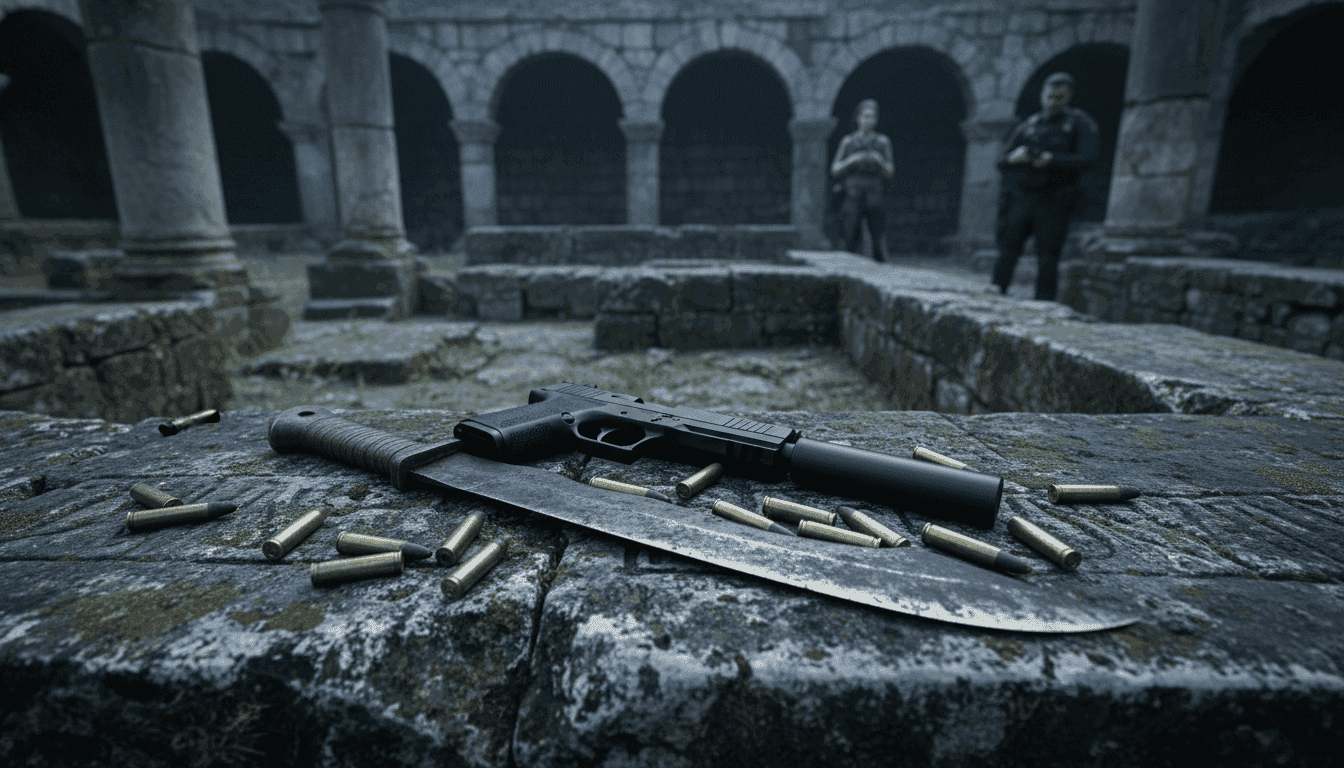
The perpetrator, 27-year-old Mexican national Julio Cesar Jasso Ramirez, opened fire from the Pyramid of the Moon, a popular archaeological site approximately 30 miles north of Mexico City. After being cornered and shot in the leg by National Guard forces, Ramirez was found dead at the scene from a self-inflicted gunshot wound. Authorities recovered a firearm, a bladed weapon, and ammunition, though the motive for the attack remains unknown. Mexican media, citing police sources, reported the gunman had expressed admiration for the perpetrators of the Columbine High School massacre, but officials have stated he acted alone in a “direct” attack.
The victims include a Canadian woman who was killed, and at least 13 others injured. Seven sustained gunshot wounds, while others were hurt in falls while attempting to escape the chaos. The injured included six U.S. citizens (a 29-year-old man and a 61-year-old woman), three Colombians (including a 6-year-old boy), two Brazilians, one Russian, and another Canadian. As of Monday night, eight people remained hospitalized.
Global Repercussions and Mexico’s Image
This incident has dealt a severe blow to Mexico’s international image as a safe tourist destination, particularly as the country prepares to co-host the FIFA World Cup this summer, with Mexico City staging several matches. Mexican President Claudia Sheinbaum expressed her condolences and instructed authorities to thoroughly investigate the incident, confirming contact with the Canadian Embassy. Canada’s Foreign Affairs Minister, Anita Anand, also acknowledged the “horrific act of gun violence.”
While Teotihuacán is generally considered safe for day-trippers from Mexico City, the surrounding municipality of San Juan Teotihuacán has experienced shifts in security dynamics. The shooting, which reportedly occurred in the vicinity of the archaeological zone rather than directly on the pyramid steps, highlights that areas immediately surrounding the gates, with shops and restaurants, may not have the same level of surveillance as the inner ruins. This tragic Teotihuacán shooting underscores vulnerabilities in the broader tourist infrastructure.
“This horrific act of gun violence reminds us of the critical need for robust security measures at global tourist attractions.”
Contextualizing Tourist Safety in Mexico
Mexico has faced ongoing challenges with crime and violence, including cartel-related incidents, which have raised safety concerns for tourists in various regions. However, statistics provide a broader perspective: from 2015 to 2023, approximately 280 million tourists visited Mexico, with 202 casualties (fatalities and injuries), representing a mere 0.000072%. The U.S. State Department advises increased caution for travel to Mexico City and Mexico State due to crime, though there are no restrictions for U.S. government employees in Mexico City.
Despite this tragic event, some experts suggest it may not significantly impact overall Canadian tourism to the area, noting that such incidents are rare. Mexico has increased security at multiple tourist sites following the Teotihuacán shooting, a move aimed at reassuring visitors and protecting its vital tourism industry. The incident serves as a stark reminder of the unpredictable nature of global travel.
What’s Next for Mexican Tourism and Security
The immediate aftermath of the Teotihuacán shooting will see heightened scrutiny on security protocols at major Mexican tourist attractions. The ongoing investigation into the gunman’s motive will be crucial in understanding if there were any missed warning signs or opportunities for prevention. The Mexican government will undoubtedly face pressure to demonstrate its commitment to tourist safety, especially with the upcoming FIFA World Cup. How this incident is managed and communicated will be key to mitigating long-term damage to Mexico’s tourism brand.
The tragic events at Teotihuacán serve as a somber reminder of the complexities of global security and the imperative for vigilance at popular destinations. While isolated, such incidents can have far-reaching psychological and economic impacts. The world will be watching to see how Mexico responds to these safety concerns and works to restore confidence in its ability to protect visitors to its invaluable cultural heritage sites. For more trending stories, stay tuned to The Financial Standard.