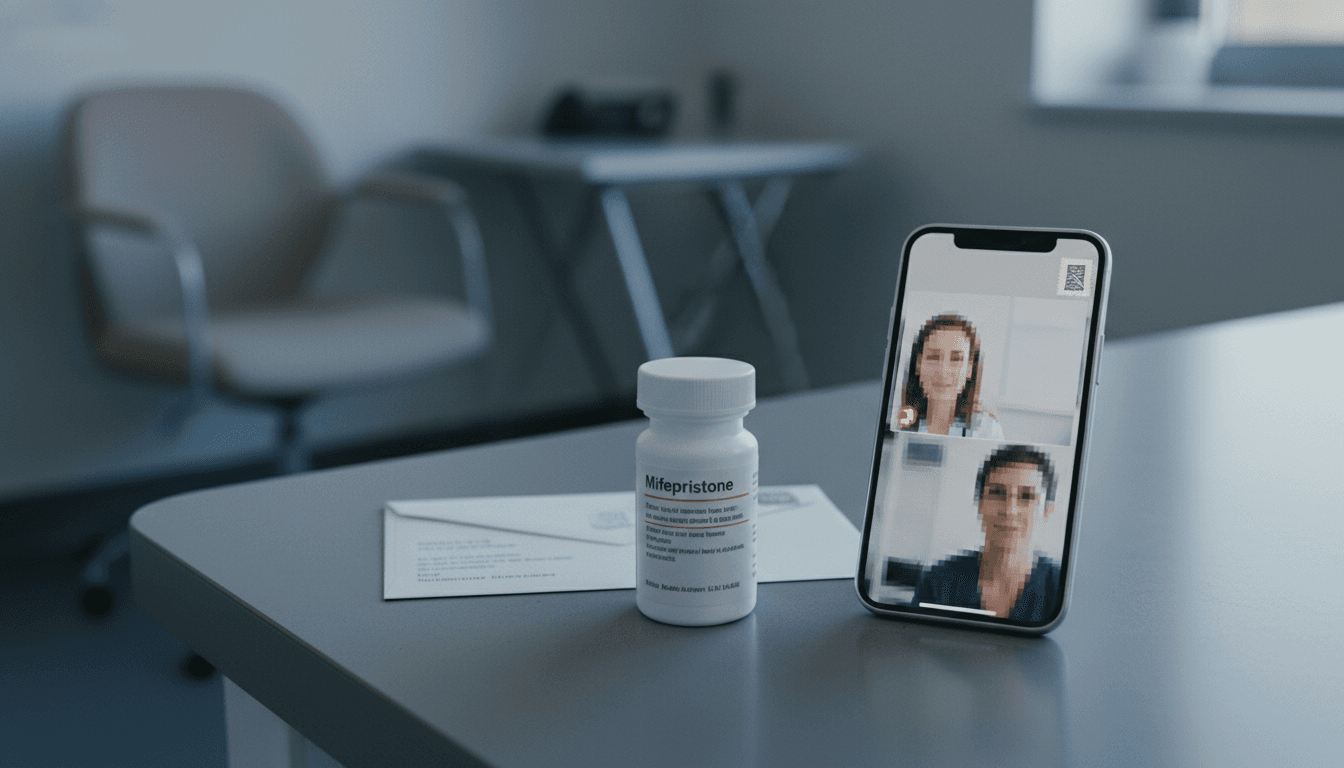
The Supreme Court restores abortion pill access nationwide, temporarily preserving the availability of mifepristone, a widely used medication crucial for reproductive healthcare across the United States. This monumental decision, delivered on Thursday, May 14, 2026, overturns lower court rulings that would have drastically restricted the pill’s availability, allowing patients to continue receiving the medication by mail and through telehealth services without an in-person doctor’s visit while ongoing litigation proceeds.
The high court’s intervention stems from a contentious lawsuit initiated by the state of Louisiana against the Food and Drug Administration (FDA). Louisiana, a state with a near-total ban on abortion, had argued that the FDA’s relaxed dispensing rules for mifepristone undermined its state-level restrictions. This legal challenge is a direct consequence of the post-Roe v. Wade landscape, where abortion pills have become a central battleground for reproductive rights advocates and anti-abortion groups.
The Pivotal Ruling and its Immediate Impact
The Supreme Court’s unsigned decision ensures that broad access to mifepristone, the most common method of abortion in the United States, remains uninterrupted. This ruling specifically pauses a U.S. appeals court decision from earlier in May that had temporarily reinstated an in-person requirement for patients to pick up the medication. Justices Clarence Thomas and Samuel A. Alito Jr. dissented from the decision, highlighting the deeply divided nature of the court on this issue.
Mifepristone, which is part of a two-drug regimen (along with misoprostol) for medication abortion, received FDA approval in 2000 for ending early pregnancies. For two decades, the FDA mandated in-person dispensing. However, in April 2021, the agency waived this rule due to the COVID-19 pandemic, and by December 2021, the Biden administration permanently eliminated the in-person mandate, thereby enabling telehealth prescriptions and mail delivery. This shift has been vital for maintaining abortion access, particularly for individuals residing in states with abortion bans.
Supreme Court Restores Abortion Pill Access: Broader Implications
The temporary preservation of mifepristone access carries significant global implications, especially for countries observing U.S. legal precedents or grappling with similar debates around reproductive healthcare access. While the immediate impact is domestic, the legal battles surrounding medication abortion in the U.S. resonate internationally, influencing policy discussions and advocacy efforts worldwide. Pharmaceutical companies such as Danco Laboratories and GenBioPro, along with pharmacies and telehealth providers, now have a measure of legal certainty. These entities had previously warned that the lower court’s ruling would unleash “confusion and chaos” for both patients and healthcare providers, potentially disrupting the entire drug approval process.
Medication abortion accounted for nearly two-thirds of all abortions in the U.S. in 2023. The availability of mailed prescriptions has been instrumental in sustaining abortion rates despite tightening state-level restrictions. Approximately a quarter of all abortions are now performed via telehealth, with about half of these serving individuals in states with strict bans. This demonstrates the critical role remote access plays in bridging gaps in care.
Expert Perspectives and Data Reinforce Safety
Major medical associations, including the American Medical Association and the American College of Obstetricians and Gynecologists, consistently affirm the safety and effectiveness of mifepristone. They report that major adverse events occur in less than 0.32% of patients when the drug is used in medication abortions. The FDA has repeatedly upheld its stance, deeming the drug safe and effective. This scientific consensus stands in stark contrast to the legal challenges brought forth by anti-abortion advocates, which often emphasize perceived risks over documented safety profiles.
This is not the first instance the Supreme Court has weighed in on challenges to mifepristone access. In 2024, the court unanimously dismissed a lawsuit by anti-abortion doctors contesting the FDA’s initial approval of mifepristone, ruling that the plaintiffs lacked legal standing. This historical context underscores a pattern of attempts to curtail access to the drug, consistently met with judicial and scientific pushback regarding its safety and legality.
“The Supreme Court’s decision to maintain broad access to mifepristone is a temporary but critical victory for reproductive autonomy, ensuring that evidence-based medical care remains available while the courts navigate complex legal and ethical considerations,” noted a prominent legal analyst.
What’s Next: The Enduring Legal Battle
The Supreme Court’s decision is temporary, meaning the underlying legal case will continue to unfold. The focus will now shift to the merits of Louisiana’s lawsuit against the FDA, potentially leading to another Supreme Court review. The ongoing tension between federal drug regulation and state-level abortion restrictions remains a defining characteristic of the post-Dobbs era. Future rulings could further clarify or complicate the landscape of medication abortion, impacting millions of individuals nationwide. Observers will be watching closely for how the lower courts navigate the FDA’s authority versus state sovereignty, a balance that could reshape healthcare access for years to come. For more trending stories, visit our news section.
Key Takeaways
Readers should understand that while the Supreme Court restores abortion pill access for now, this is a provisional victory. The ruling ensures immediate, broad access to mifepristone via mail and telehealth, a lifeline for many. However, the underlying legal challenge persists, highlighting the ongoing struggle over reproductive rights in the U.S. The safety and efficacy of mifepristone are reaffirmed by medical consensus, but legal and political battles continue to threaten its availability. The future of medication abortion remains subject to judicial review, making this a critical area to watch for its profound societal and economic implications.