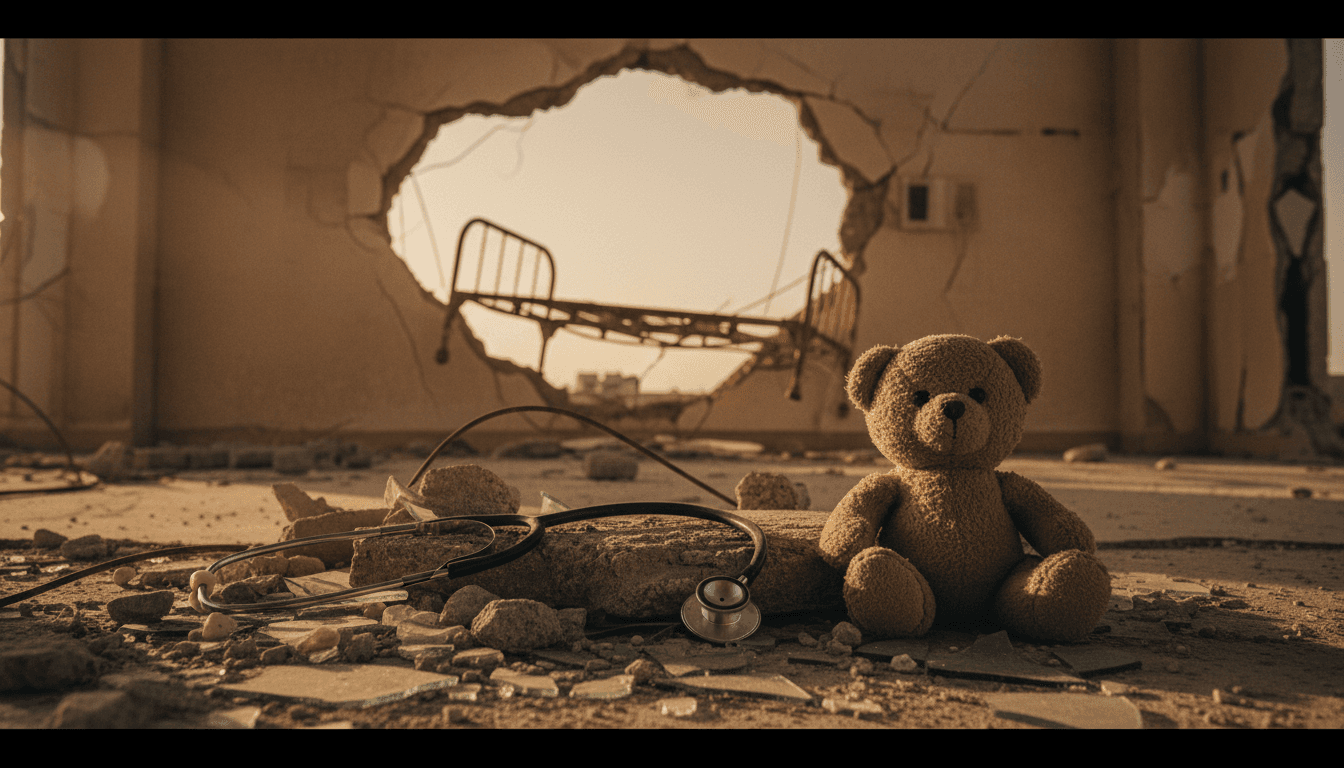
A devastating Sudan hospital drone attack on Friday, March 20, 2026, has claimed the lives of 64 people, including 13 children, and wounded 89 others at El-Daein Teaching Hospital in East Darfur. The World Health Organization (WHO) Director-General, Tedros Adhanom Ghebreyesus, confirmed the horrific strike, condemning the targeting of healthcare facilities during the Muslim festival of Eid and reiterating that ‘Enough blood has been spilled. Health care should never be a target. Peace is the best medicine.’
This latest tragedy in Sudan’s nearly three-year civil war underscores the escalating humanitarian catastrophe gripping the nation. The attack on El-Daein Teaching Hospital, a critical medical hub, has not only resulted in a significant loss of life but has also severely damaged vital departments, including pediatric, maternity, and emergency services, rendering the facility non-functional. CARE, an organization that has supported the hospital since 2015, confirmed the extensive destruction, further crippling an already fragile healthcare system.
The Unfolding Crisis in East Darfur
The casualties from the Sudan hospital drone attack include two female nurses and one male doctor among the deceased, with eight health staff members among the wounded. The timing of the strike during Eid, a period traditionally associated with peace and celebration, has amplified global outrage. While a Sudanese rights group, Emergency Lawyers, attributed the attack to an army drone, the Sudanese army has denied responsibility, instead pointing fingers at the paramilitary Rapid Support Forces (RSF), accusing them of routinely targeting service and health facilities. The WHO’s Surveillance System for Attacks on Health Care (SSA) diligently tracks such incidents but refrains from assigning blame.
Sudan has been embroiled in a brutal civil war since April 2023, a devastating power struggle between the military and the RSF. This conflict has led to over 150,000 deaths and displaced approximately 12 million people, nearly a third of the country’s population, cementing its status as the world’s largest humanitarian crisis. The relentless violence, coupled with the systematic destruction of infrastructure, has pushed millions to the brink.
Global Alarm Over Targeting Healthcare
The attack on El-Daein Teaching Hospital is not an isolated incident but rather a disturbing pattern of targeting healthcare in Sudan. The WHO has reported 2,036 people killed in 213 attacks on healthcare facilities throughout the conflict, including this most recent strike. The UN human rights chief, Volker Türk, voiced profound alarm regarding the increasing deployment of powerful drones with wide-area impacts in populated areas, noting over 200 civilian deaths from drone attacks in an eight-day period this month alone. This surge in drone warfare marks a dangerous escalation in a conflict already characterized by extreme brutality.
“The destruction of a major referral hospital like El-Daein Teaching Hospital further cripples the ability to provide emergency and routine medical care to hundreds of thousands of civilians.”
The healthcare system in Sudan has largely collapsed, with an estimated 80% of health facilities in conflict-affected regions non-operational. These facilities face severe shortages of staff, essential supplies, water, electricity, and fuel, creating a breeding ground for widespread malnutrition and outbreaks of deadly diseases such as cholera, measles, dengue fever, and malaria. The Global Fund continues its efforts to support vital health services, procuring nearly all HIV, TB, and malaria medicines in the country and delivering essential medical supplies to regions like Darfur, despite immense operational challenges.
What Lies Ahead for Sudan’s Health Crisis
The immediate and long-term consequences of attacks on healthcare facilities are catastrophic for communities already in desperate need. The destruction of El-Daein Teaching Hospital, a major referral center, severely limits access to emergency and routine medical care for hundreds of thousands of civilians in East Darfur. Organizations like CARE are now coordinating with partners to identify alternative health facilities and scale up capacity to treat the injured and provide critical supplies, a monumental task given the pervasive instability.
The international community faces renewed calls for de-escalation and humanitarian access in Sudan. The continued targeting of hospitals and medical personnel not only violates international humanitarian law but also exacerbates a crisis that threatens regional stability. As the conflict grinds on, the focus will remain on diplomatic efforts to secure a ceasefire and ensure the protection of civilians and critical infrastructure. The world watches to see if the recent Sudan hospital drone attack will serve as a turning point, compelling greater international intervention to halt the relentless violence and prevent further collapse of a nation already in tatters.