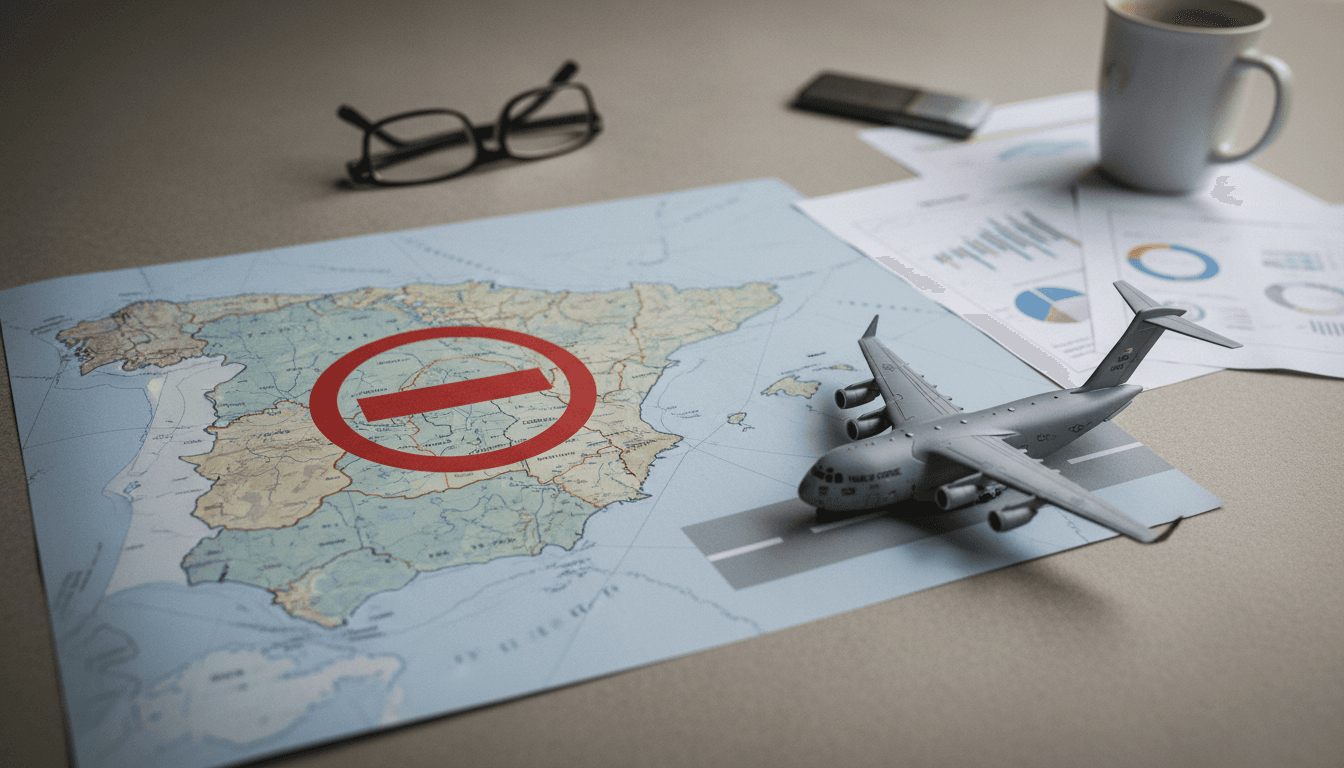
Spain closes airspace to US aircraft involved in the Iran war, marking a significant escalation in European disengagement from the escalating conflict. This unprecedented move, confirmed by Spanish Defense Minister Margarita Robles on Monday, March 30, 2026, signals Madrid’s deepening opposition to the U.S. and Israeli military campaign in the region, adding a new layer of complexity to transatlantic relations.
Madrid’s decision goes beyond its earlier refusal to permit the U.S. to utilize jointly operated military bases at Rota and Morón de la Frontera for Iran-related operations. Now, any U.S. military aircraft participating in ‘Operation Epic Fury’ – the U.S. and Israeli military campaign against Iran – is denied entry into Spanish airspace. This includes planes stationed in other European nations like the UK or France, as well as those seeking to refuel, with exceptions only for genuine emergencies. Spanish Prime Minister Pedro Sánchez has consistently vocalized his government’s stance, labeling the U.S.-Israel war on Iran as “illegal, reckless and unjust” and “profoundly illegal and profoundly unjust.” Economy Minister Carlos Cuerpo underscored this, stating that Spain will not participate in or contribute to a war initiated unilaterally and against international law.
Global Repercussions of Spain’s Airspace Closure to US Aircraft
The immediate global impact of Spain’s actions reverberates through diplomatic channels and military alliances. Denying airspace access to a NATO ally is a rare but not entirely unprecedented move, recalling instances such as France and Italy blocking U.S. operations in Libya in 1986, or Turkey’s refusal to allow U.S. ground troops for the 2003 Iraq invasion. While routine U.S. military operations and logistical support for the approximately 80,000 U.S. troops deployed in Europe remain unaffected, the symbolic weight of this decision is immense. It highlights a growing European unease with the U.S.-led conflict, with Spain emerging as its most vocal critic. The war, which began on February 28, 2026, has already claimed thousands of lives in Iran, injured hundreds of American troops, and resulted in at least 13 U.S. service member fatalities.
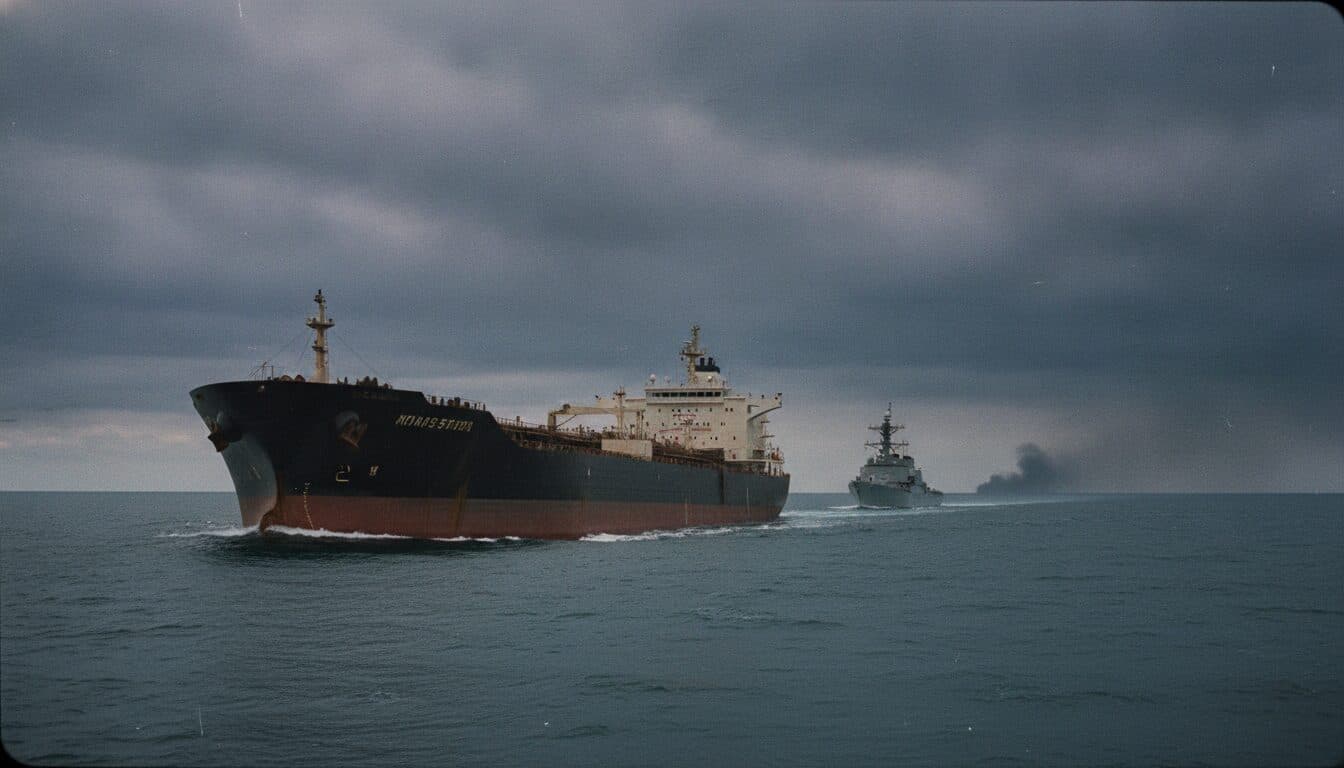
Economically, the broader European disengagement could exacerbate existing market volatility. The Iran war has significantly impacted global energy markets, and fears of Iran’s potential blockage of the Strait of Hormuz could lead to further spikes in oil and gas prices, directly affecting European consumers and industries. U.S. President Donald Trump had previously threatened to cut off trade with Madrid over its base restrictions, and U.S. Secretary of State Marco Rubio criticized Spanish leaders for “bragging” about the airspace cut-off despite Washington’s pledge to defend the NATO member. This diplomatic friction underscores the deepening rift within the alliance.
“You can’t respond to one illegality with another because that’s how humanity’s great disasters begin.”
Prime Minister Sánchez’s words encapsulate Spain’s commitment to international law and its call for an end to the conflict from all parties involved. This stance contrasts with the more cautious approach of some other European leaders, like German Chancellor Friedrich Merz. The EU’s High Representative for Foreign Affairs and Security Policy, Kallas, has acknowledged ongoing discussions within the bloc on how to disengage from the conflict and prevent further escalation, signaling a broader European desire to distance itself from the hostilities. Over 50,000 U.S. troops are currently deployed in the Middle East, a testament to the scale of the ongoing military involvement.
What Lies Ahead: Future Implications and Geopolitical Shifts
The future implications of Spain’s bold move are multifaceted. It could embolden other European nations to take similar stances, further fragmenting the continent’s response to the Iran conflict and potentially straining transatlantic ties. The disunited European front presents a challenge to Washington, which relies on its allies for logistical and political support. Spain’s Seville Air Traffic Control Center continues to provide navigation support for U.S. B-2 Spirit bombers crossing the Strait of Gibraltar in international airspace during their missions to Iran, as Spain cannot prevent this, illustrating the nuanced complexities of international airspace agreements.
The coming weeks will likely see intense diplomatic efforts to manage the fallout from Spain’s decision. Washington will need to reassess its logistical pathways for ‘Operation Epic Fury,’ potentially seeking alternative routes or negotiating with other allies for increased access. Meanwhile, the EU’s internal discussions on disengagement will gain urgency, as the bloc grapples with its collective role in a conflict that many of its members deem unlawful and destabilizing. The ongoing conflict’s human and economic toll, coupled with Spain’s firm stance, will keep the Iran war at the forefront of global attention. Readers can find more trending stories and analyses on the evolving geopolitical landscape.
The closure of Spanish airspace to US aircraft is more than a logistical hurdle; it is a profound political statement, signaling a recalibration of alliances and a growing demand for adherence to international law in an increasingly volatile world. The world watches to see if other nations will follow Spain’s lead, further isolating Washington and Israel in their campaign.