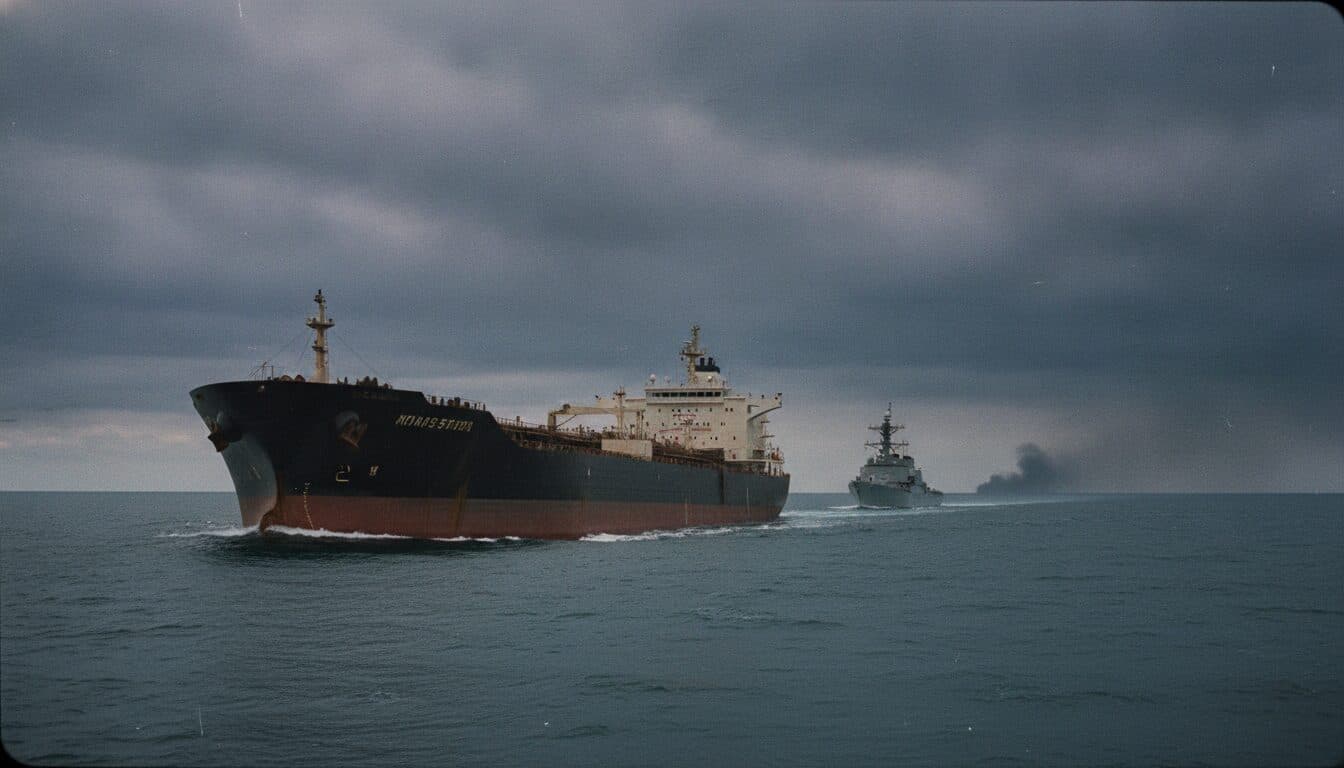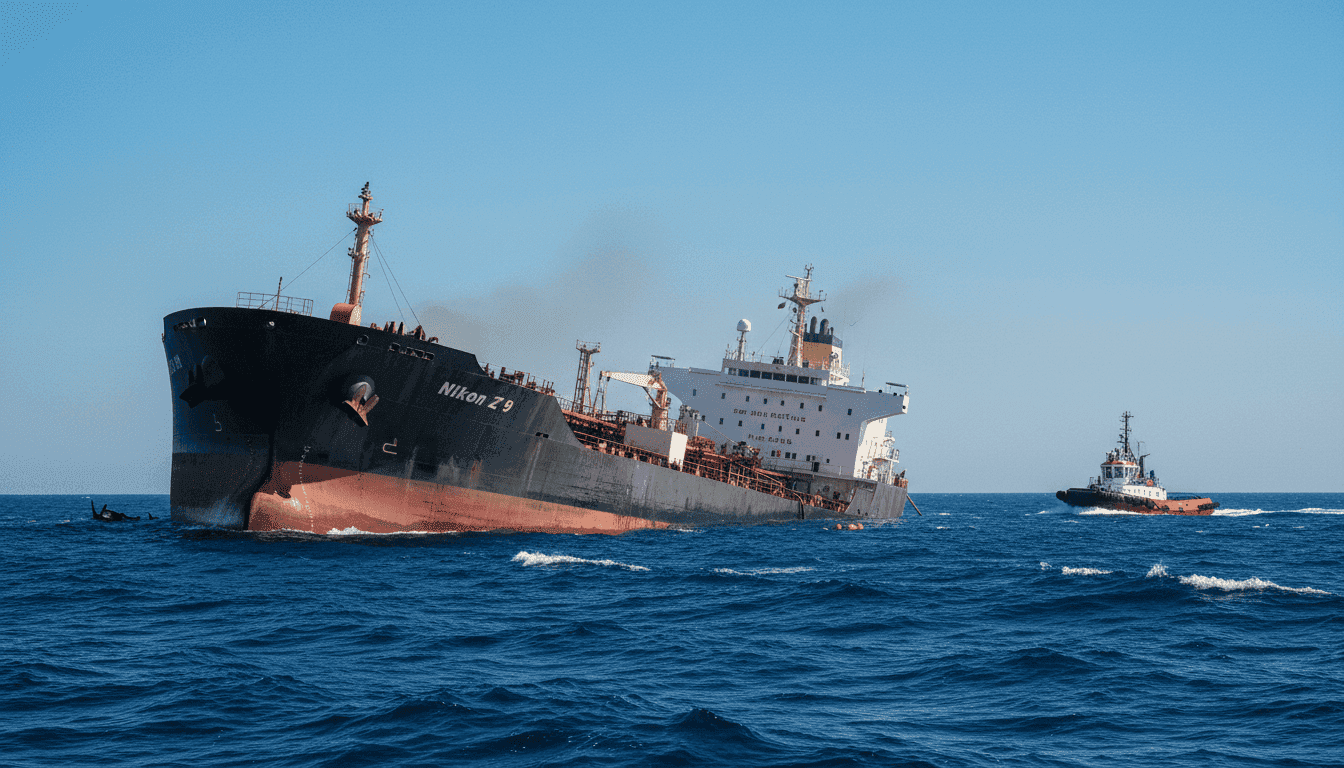
A critical Russian tanker explosion risk is dominating global headlines today, as Italy issues an urgent warning regarding the *Arctic Metagaz*, a Russian-flagged vessel adrift in the Mediterranean Sea. Described by Italian officials as an “environmental bomb” and a “ticking time bomb filled with gas,” this 277-meter-long tanker poses an imminent threat of a major ecological disaster, demanding immediate international attention and action.
The *Arctic Metagaz*, part of Russia’s “shadow fleet” reportedly used to circumvent Western sanctions on energy exports, has been drifting unmanned and without power since early March 2026. Surveillance footage reveals a severely burned vessel, listing to one side, with a massive gash in its hull—the aftermath of a suspected sea drone attack on March 3, 2026. The incident occurred in international waters, approximately 168 nautical miles from Malta. Russia has attributed the attack to Ukrainian naval drones launched from the Libyan coast, an allegation Ukraine has not publicly addressed. All 30 crew members were evacuated by the Libyan coast guard following explosions and a fire onboard.
The cargo carried by the *Arctic Metagaz* amplifies the gravity of the situation. Italian authorities report the tanker is laden with over 60,000 tons of liquefied natural gas (LNG), along with approximately 900 tons of diesel fuel and 450 tons of fuel oil. This volatile combination presents a catastrophic potential for both an explosion and a massive, multi-faceted pollution event. Having set sail from Murmansk in February destined for Egypt, the vessel is now drifting southward towards Libya, having been sighted between Malta and the Italian island of Lampedusa, and as close as 20 nautical miles from the Italian island of Linosa. This uncontrolled drift brings the imminent danger closer to densely populated coastlines and vital marine ecosystems.
The Looming Russian Tanker Explosion Risk and its Global Impact
The global impact of a potential more trending stories Russian tanker explosion risk is profound, extending far beyond the immediate environmental catastrophe. Prime Minister Giorgia Meloni’s government, along with France and seven other EU nations, has appealed to the European Commission, underscoring the “imminent and serious risk of a major ecological disaster in the heart of the Union’s maritime space.” Environmental groups, including WWF Italy, have issued dire warnings about the potential for widespread fires, the release of toxic cryogenic vapor clouds lethal to marine life, and long-lasting pollution impacting both marine ecosystems and the atmosphere. The region under threat is renowned for its exceptional ecological value, featuring fragile deep-sea habitats and high biodiversity, including critical populations of bluefin tuna and swordfish. A major incident here would devastate fishing industries, tourism, and biodiversity for decades.
“This isn’t just a ship; it’s a floating ecological catastrophe waiting to happen, threatening the very heart of the Mediterranean’s unique biodiversity and economic lifeblood.”
The incident is further complicated by the ongoing Ukraine-Russia war and the intricate web of EU sanctions against Russia. The *Arctic Metagaz* being part of Russia’s “shadow fleet” creates a significant challenge for response efforts. Any action to salvage or neutralize the threat could be seen as “undermining the integrity, effectiveness and the deterrent value of the EU sanctions regime,” as noted by officials. This geopolitical dimension adds layers of complexity to an already perilous situation, delaying decisive action and increasing the risk.
Response, Challenges, and What’s Next
Italian and Maltese authorities are closely monitoring the tanker’s movement, but decisive action remains elusive. Italy has unequivocally declared its ports closed to the vessel due to the extreme risk it poses. While tugboats and environmental response vessels have been dispatched by both Italy and Malta, a final strategy for the tanker’s future has yet to be determined. Options under consideration are fraught with danger: a perilous towing attempt, a controlled sinking at great depth, or the risky strategy of waiting for currents to carry the ship further from land. The primary responsibility for salvage technically rests with the ship’s Russian owner, LLC SMP Techmanagement, but contact with the group has not been confirmed by Italian or Maltese authorities.
Russia’s Foreign Ministry has acknowledged the vessel is adrift, stating that Moscow’s further involvement hinges on “concrete circumstances” while emphasizing the responsibility of coastal countries in resolving the situation. This diplomatic dance further complicates the already urgent need for intervention. The world watches anxiously as this environmental and geopolitical crisis unfolds, with the potential for a devastating Russian tanker explosion risk growing with each passing hour.
The coming days will be critical in determining the fate of the *Arctic Metagaz* and the potential for an unprecedented ecological disaster in the Mediterranean. The international community, maritime authorities, and environmental agencies are facing a race against time and a complex web of geopolitical considerations to avert a catastrophe that could reshape the region’s environment and economy for generations.