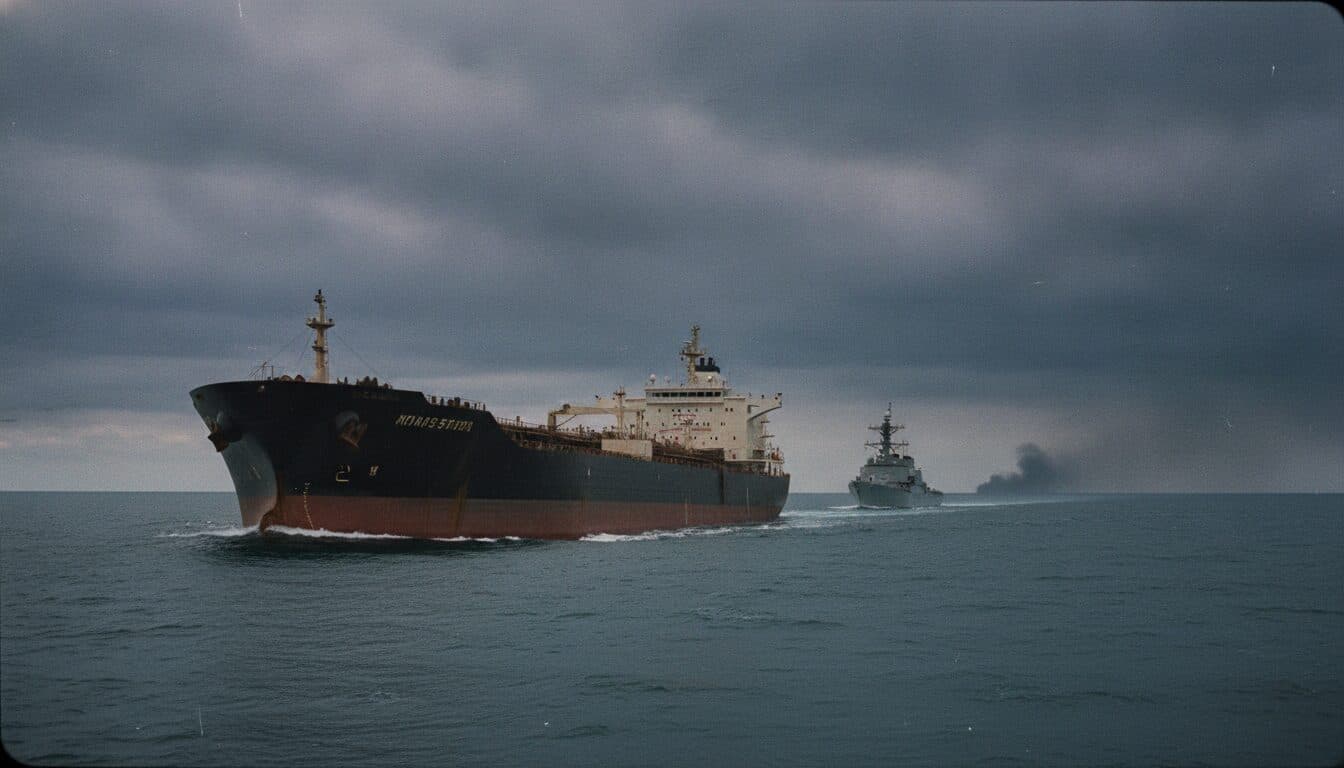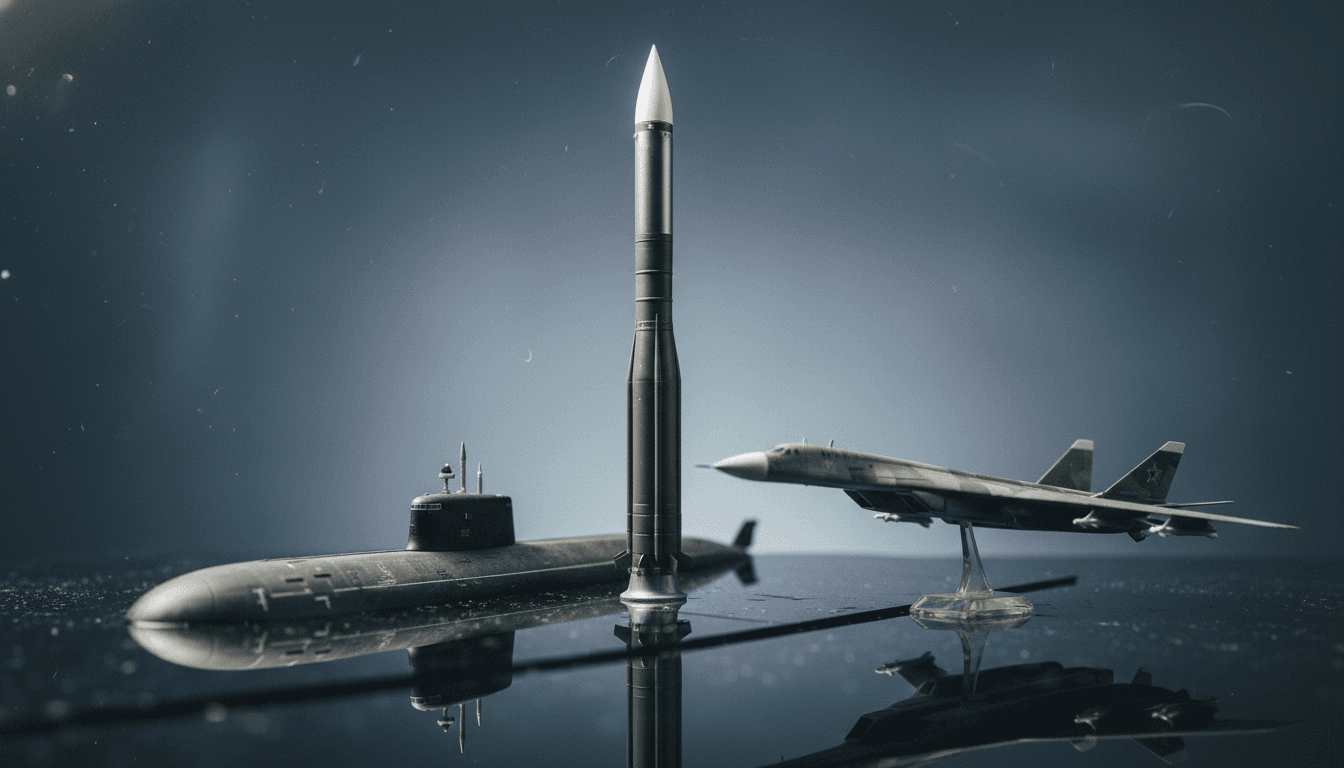
Critical: Russia launches massive nuclear drills, a three-day display of its strategic might that has sent ripples of concern across the globe, underscoring escalating tensions and the fragile state of strategic stability. Commencing on Tuesday, May 19, 2026, these large-scale exercises involve an unprecedented deployment of personnel and equipment, including practice launches of nuclear-capable ballistic and cruise missiles, signaling Moscow’s resolve amidst a complex geopolitical landscape.
The exercises, scheduled to run until May 21, 2026, are a comprehensive demonstration of Russia’s nuclear triad. Approximately 64,000 military personnel and over 7,800 pieces of equipment are participating, spanning land-based ballistic missiles, submarine-launched missiles, and strategic bombers. Units from the Strategic Missile Forces, the Northern and Pacific Fleets, the Long-Range Aviation Command, and elements from the Leningrad and Central military districts are all involved, painting a clear picture of the drills’ extensive scope.
A staggering arsenal is on display: more than 200 missile launchers, over 140 aircraft, 73 surface ships, and 13 submarines, including eight strategic ballistic missile submarines, are actively taking part. The Barents Sea has seen areas closed to navigation and air traffic, indicative of potential launch zones for the planned ballistic and cruise missile tests. A Yars nuclear missile launch from Plesetsk towards the Kura test range in the Far East is widely anticipated as a key component of these massive nuclear drills.
Adding another layer to the strategic calculus is the involvement of Belarus, a steadfast ally that hosts Russian nuclear weapons, notably the Oreshnik nuclear-capable missile system. Belarus initiated its own nuclear weapons exercises in close coordination with Russia a day prior, further amplifying the message to Western nations. This synchronized display of force underscores the deepening military integration between Moscow and Minsk.
Geopolitical Chessboard: Russia’s Strategic Messaging
Experts universally interpret these massive nuclear drills as a potent signal from Moscow to Western capitals. The stated objective – to practice the “preparation and deployment of its nuclear forces under a simulated ‘threat of aggression'” and to “deter the enemy” – resonates with Russia’s long-standing security concerns. Military expert Vladyslav Seleznyov describes these drills as a form of “nuclear posturing” aimed primarily at intimidating Western audiences, noting that Ukrainian resilience has rendered such threats less impactful in Kyiv since 2022. Seleznyov also highlights the practical reality that nuclear weapons are not stored in a combat-ready state, with missiles and warheads only assembled for planned launches.
These exercises occur against a backdrop of profound instability in international nuclear arms control. The collapse of the New START treaty in February, which was the final remaining cap on U.S. and Russian nuclear arsenals, has introduced significant uncertainty into global nuclear stability. The absence of such regulatory frameworks allows for an unconstrained arms race, a prospect that deeply troubles international observers. For more trending stories, click here.
Context and Global Implications
The timing of these massive nuclear drills is critically important, unfolding in the fifth year of the conflict in Ukraine and amidst intensified Ukrainian drone attacks on Russian territory. Russian President Vladimir Putin has frequently employed nuclear rhetoric since the 2022 invasion, aiming to deter Western countries from increasing military aid to Kyiv. These drills are thus seen as a strategic warning to NATO regarding its unwavering support for Ukraine and the growing geopolitical pressure on Moscow.
Russia’s 2024 revised nuclear doctrine further complicates the picture, stating that any conventional attack on Russia supported by a nuclear power would be considered a joint attack, potentially lowering the threshold for nuclear weapon use. The deployment of the Oreshnik missile system in Belarus is also interpreted as a strategic warning to NATO, extending Russia’s perceived defensive perimeter. The increasing militarization of the Arctic, a region of growing geopolitical importance, particularly with Finland and Sweden’s recent accession to NATO, also forms a crucial backdrop to these exercises.
“These drills are a clear message: Russia is prepared to use all available means to defend its interests and deter perceived aggression, even as the world grapples with a spiraling arms control crisis.”
While the immediate market impact is not explicitly detailed, large-scale military exercises involving nuclear forces typically contribute to heightened geopolitical instability. This often translates into increased investor caution, potential fluctuations in energy prices due to supply concerns, and a general shift towards safe-haven assets. The ongoing conflict in Ukraine and the associated sanctions against Russia already contribute significantly to market volatility, and these drills are likely to exacerbate those trends, at least in the short term.
What’s Next: Navigating a Precarious Future
As the massive nuclear drills conclude on May 21, the world will be watching for post-drill analyses and any further statements from Moscow. The key implications include the potential for continued escalation of nuclear rhetoric, further erosion of international arms control agreements, and increased militarization in contested regions like the Arctic. The West’s response will be critical, balancing deterrence with de-escalation to prevent miscalculation. Investors should remain vigilant, as geopolitical events of this magnitude can significantly impact global markets, particularly in energy and defense sectors.
Key Takeaways for the Financial Standard Reader:
Russia’s extensive nuclear drills are a stark reminder of the volatile geopolitical climate. They signal a hardening of Moscow’s stance, a breakdown in nuclear arms control, and a potential for further militarization. The exercises underscore the need for careful diplomatic engagement and robust strategic planning from Western nations, while markets brace for continued uncertainty stemming from these pronounced geopolitical tensions.