Russia drone attack escalates the conflict in Ukraine, marking the largest such assault in a 24-hour period and signaling a significant intensification of hostilities. On Tuesday, March 24, 2026, Ukrainian officials reported an unprecedented barrage of nearly 1,000 Shahed and Gerbera attack drones, alongside other unmanned aerial vehicles (UAVs), unleashed between 6:00 PM on March 23 and 6:00 PM on March 24. This massive aerial campaign saw 556 attack drones penetrate Ukrainian airspace on March 24 alone, with Ukrainian air defense forces reporting the downing or jamming of 541 Russian UAVs as combat operations continued.
The sheer scale of this offensive underscores a critical shift in Russia’s military strategy. The Ukrainian Air Force confirmed that over 400 long-range drones were deployed overnight, with additional strikes extending into daylight hours, making it one of the most substantial attacks in recent weeks. Yuriy Ignat, spokesperson for the Ukrainian air force, stated, “more than 400 attack drones flew in, and there were hits,” primarily targeting central and western Ukraine.
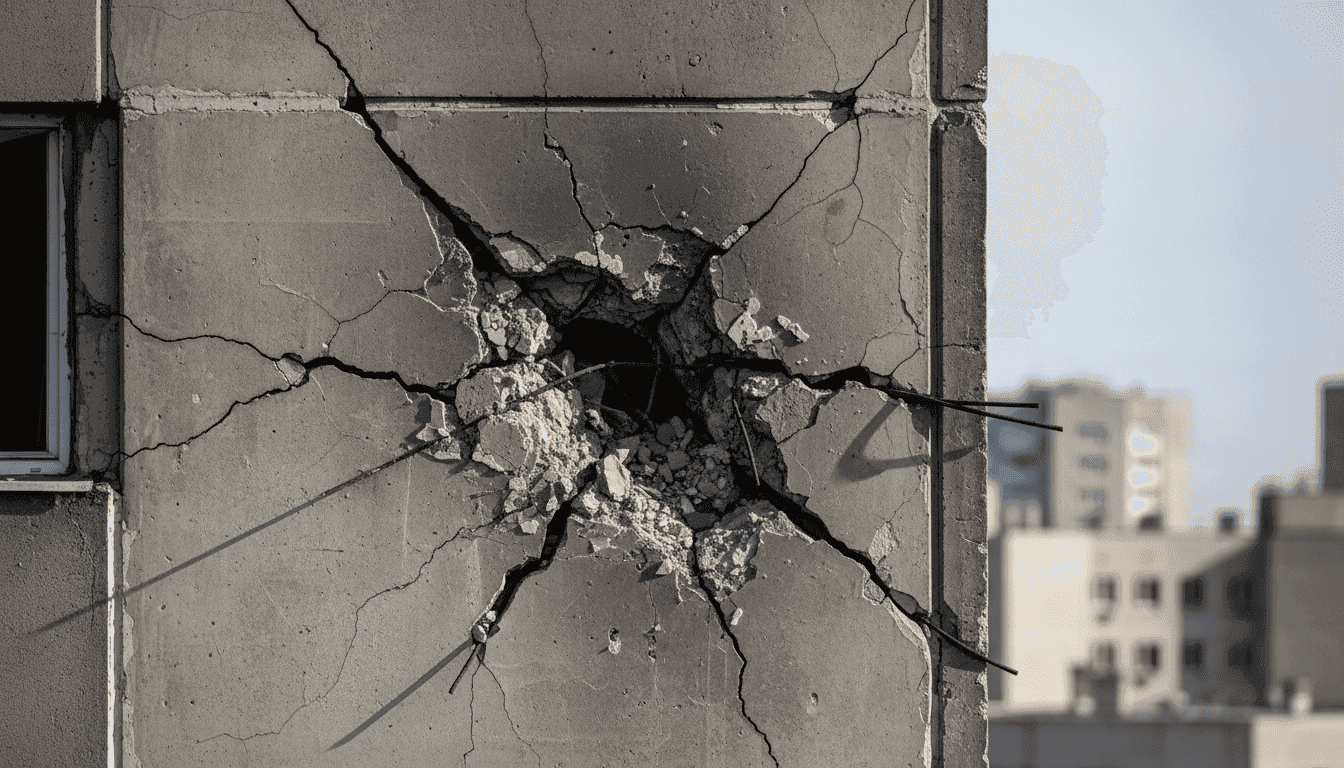
The human cost of this relentless assault is grim. Ukrainian officials reported at least four deaths and 27 injuries, though other accounts place the toll higher, with six people killed and at least 46 injured. Major cities such as Kyiv, Dnipro, Lviv, and Ivano-Frankivsk bore the brunt of the attacks. In Lviv, an apartment block was struck, injuring 13 people, and the 17th-century St. Andrew’s Church, a UNESCO World Heritage site, caught fire. Ivano-Frankivsk saw maternity hospitals and approximately 10 apartment buildings damaged, resulting in two fatalities and four injuries, including a 6-year-old child. Beyond drones, Russia also launched 23 cruise missiles and seven ballistic missiles, striking at least 10 locations across Ukraine.
The Evolving Landscape of Russia Drone Attack
This unprecedented Russia drone attack is not an isolated incident but rather indicative of a broader strategic evolution in the conflict. Military officials suggest this may be the precursor to Russia’s long-anticipated spring ground offensive. General Oleksandr Syrskyi, who leads Ukraine’s armed forces, reported coordinated breakthrough attempts across multiple strategic locations, with Russia conducting 619 attacks over a four-day period leading up to this drone surge. Russia’s reliance on drone warfare has deepened significantly, moving from initial reconnaissance roles to widespread deployment of small, maneuverable FPV-style drones, a tactic initially perfected by Ukraine. Russia has also integrated advanced sensing, longer-range data links, and increased payload capacity into its drone arsenal, with Iranian-designed Shahed drones forming a key component of a ‘punishment’ strategy aimed at infrastructure and civilian targets.
“The sheer volume of drones deployed signals a calculated effort to overwhelm air defenses and soften targets ahead of potential ground operations.”
Ukraine, in response, has continually refined its layered defense system. This includes a combination of kinetic measures, advanced air defense missiles, fighter jets, interceptor drones like the Sting (boasting a 70% hit rate against Shaheds), anti-aircraft cannons, machine guns, and sophisticated electronic warfare technology. Furthermore, Ukraine is actively developing and deploying its own long-range drones, strategically targeting Russian territories that support Moscow’s military operations.
Global Economic Repercussions and Future Outlook
The systematic targeting of Russia’s energy infrastructure by Ukrainian drones represents a significant strategic shift with global implications. Attacks on oil refineries and storage depots aim to erode Russia’s refining capacity, a critical revenue stream for financing its war effort. Ukrainian officials have indicated a major expansion of long-range UAV manufacturing, suggesting an increased rate of these disruptive attacks in the future. This escalation in drone warfare, both in scale and sophistication, will undoubtedly continue to impact global energy markets and supply chains, potentially leading to more trending stories as the conflict evolves.
Looking ahead, the intensifying drone war points to a prolonged and technologically advanced conflict. Both sides are continually adapting, innovating, and expanding their drone capabilities, pushing the boundaries of modern warfare. The recent unprecedented Russia drone attack underscores the critical importance of air defense systems and electronic warfare in contemporary conflicts, while also highlighting the devastating impact on civilian populations and infrastructure. The world watches as this new phase of drone warfare unfolds, with its profound implications for regional stability and global markets.