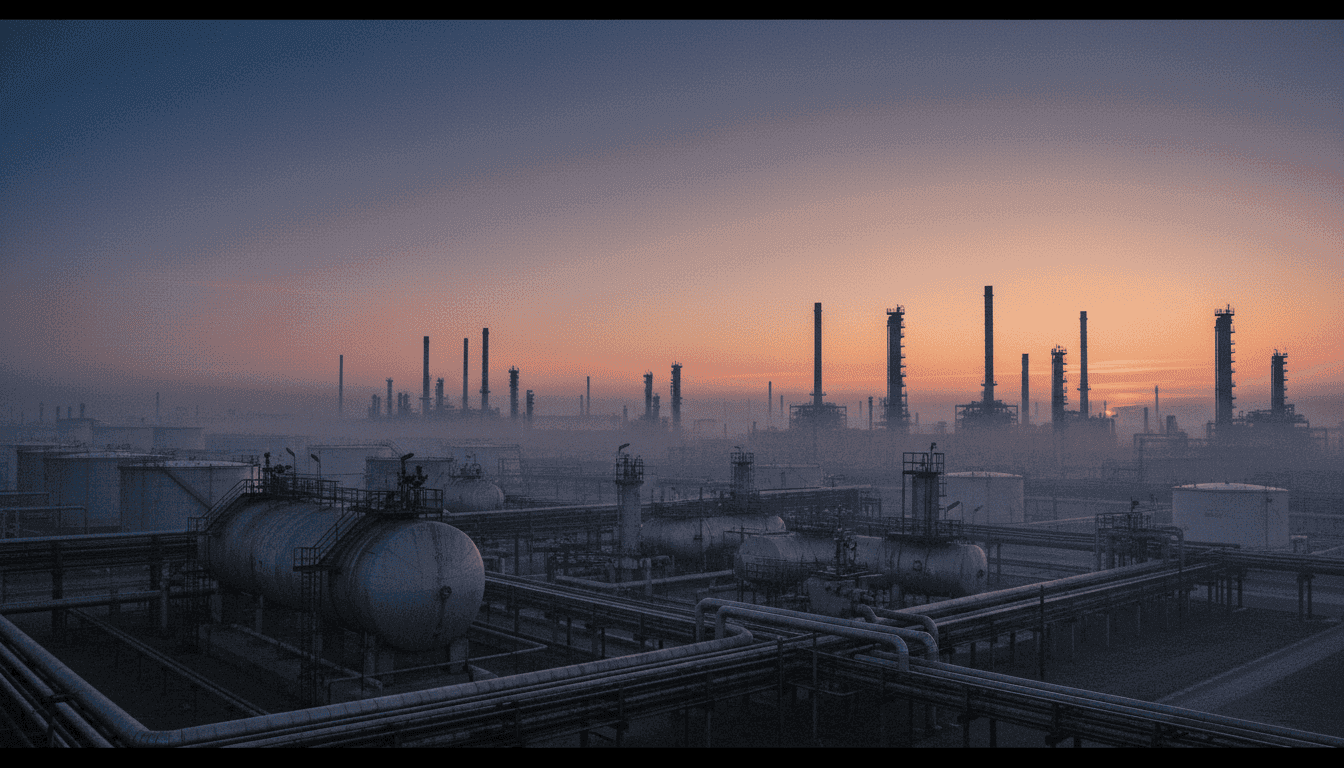
A critical Philippines energy emergency has been declared, with President Ferdinand Marcos Jr. vowing to secure oil supplies amidst escalating global volatility, particularly due to heightened tensions in the Middle East. This momentous declaration, made via Executive Order (EO) 110 on March 24, 2026, underscores the nation’s profound vulnerability as a net importer of petroleum products, setting off alarm bells across the region and beyond.
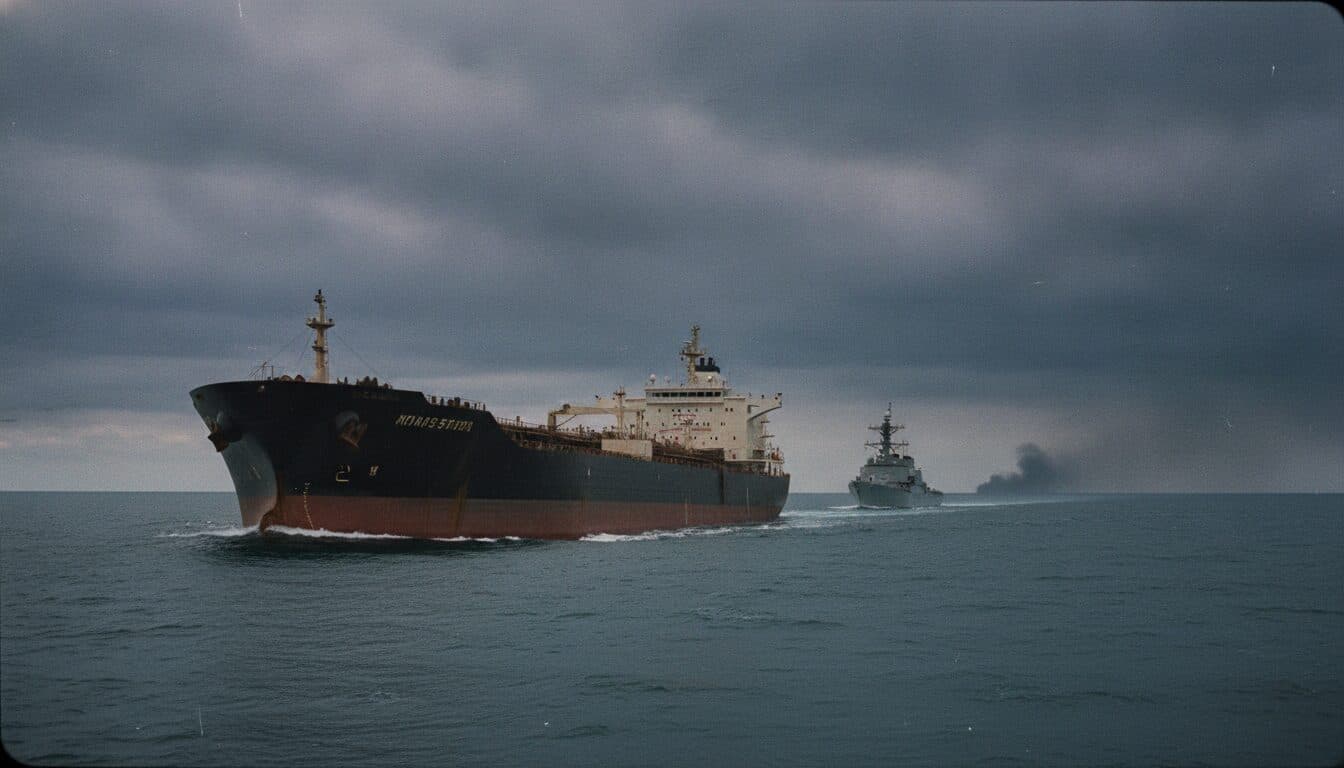
The executive order, effective for one year unless extended or lifted sooner, is a direct response to the ongoing conflict involving the United States, Israel, and Iran. This geopolitical strife is severely disrupting global oil supply chains, particularly through critical shipping routes like the Strait of Hormuz, and consequently driving up oil prices to levels that threaten economic stability. The Philippines, importing nearly all its fuel needs from major crude oil suppliers like Saudi Arabia, the UAE, and Iraq – with a significant portion traversing the Strait of Hormuz – finds itself on the front lines of this global energy crunch.
The Immediate Response: UPLIFTing Measures
In response to the declared Philippines energy emergency, the government has set in motion a coordinated response under the “Unified Package for Livelihoods, Industry, Food, and Transport (UPLIFT)” framework. This comprehensive package includes immediate relief measures and long-term strategic adjustments. Key interventions include targeted fuel subsidies and stringent measures to prevent hoarding and price manipulation, which often exacerbate crises of this nature. To bolster domestic supply, the government is fast-tracking the approval of energy projects and establishing a crucial diesel buffer of 2 million barrels, equivalent to approximately S$427 million or about 10 days of additional supply.
Furthermore, direct financial assistance is being provided to public transport workers, such as 5,000 pesos ($83) to motorcycle taxi drivers, alongside initiatives like free bus rides for students and workers. The Department of Energy (DOE) has been authorized to take all appropriate measures to ensure a stable and adequate energy supply, including temporarily increasing coal-fired generation and allowing limited use of Euro II fuel to bridge immediate supply gaps.
Diversifying Sources: A Global Scramble for Oil
A cornerstone of the Philippines’ strategy to mitigate the impact of the Philippines energy emergency is the aggressive diversification of its oil sources. President Marcos Jr. has announced that the country is actively procuring oil from Japan, South Korea, India, and Russia, and has successfully secured a 45-day fuel supply. A significant development in this effort was the arrival of the first shipment of Russian crude oil in five years on March 24, 2026, facilitated by a 30-day waiver from the US on sanctions. Additionally, discussions are underway with Washington to secure waivers or exemptions to purchase oil from other U.S.-sanctioned countries like Venezuela and Iran, highlighting the extraordinary lengths the nation is going to ensure its energy security.
“The Philippines’ heavy reliance on imported energy makes it highly vulnerable to global oil price spikes. These increases translate directly to higher pump prices, electricity costs, and transport fares, leading to inflationary pressures across the economy,”
notes Nicholas Mapa, Chief Economist at Metrobank, underscoring the deep economic ramifications of this crisis.
Economic Vulnerability and Inflationary Pressures
The economic fallout from the Philippines energy emergency is expected to be substantial. Experts warn that higher energy prices will compound existing inflation risks, potentially pushing headline inflation towards 4%. This could trigger “second-round effects,” where increased transport, electricity, and logistics costs broaden inflationary pressures beyond food and fuel, impacting every facet of the economy. Consumers are already feeling the immediate sting through soaring gasoline and diesel prices, which have led to transport strikes and flight suspensions, disrupting daily life and commerce.
The country’s energy mix, heavily reliant on fossil fuels (over 60% from coal and around 15% from gas in 2024), exacerbates its vulnerability. While the Philippines aims to increase its renewable energy share to 35% by 2030 and 50% by 2050, the immediate challenge is immense. The impending depletion of the Malampaya natural gas fields by 2024-2025, which historically supplied 30% of Luzon’s energy consumption, further compounds these challenges, creating a perfect storm for the nation’s energy future.
What’s Next: A Test of Resilience and Diplomacy
The declaration of a nationwide energy emergency marks a rare instance where such powers have been invoked primarily for energy security, the last being during the COVID-19 pandemic in 2020. The government is also contemplating a bill that would grant the President emergency powers to reduce or suspend excise taxes on oil, a move that could cushion consumer impact but at the cost of a significant revenue loss of approximately 300 billion pesos per year. The Philippines’ fully deregulated downstream oil market, coupled with high import dependence and limited strategic reserves, renders it particularly exposed to global oil volatility compared to its Asian neighbors.
The coming months will be a critical test of the Philippines’ diplomatic prowess and economic resilience. The ability to secure diverse and stable energy supplies, while managing domestic inflationary pressures and maintaining public support, will define this period. The global community will be watching closely as the nation navigates this complex challenge, potentially setting precedents for other import-dependent economies facing similar geopolitical headwinds. The long-term implications for the Philippines’ energy policy, economic stability, and its geopolitical alliances are profound, making this a story with far-reaching consequences for more trending stories.