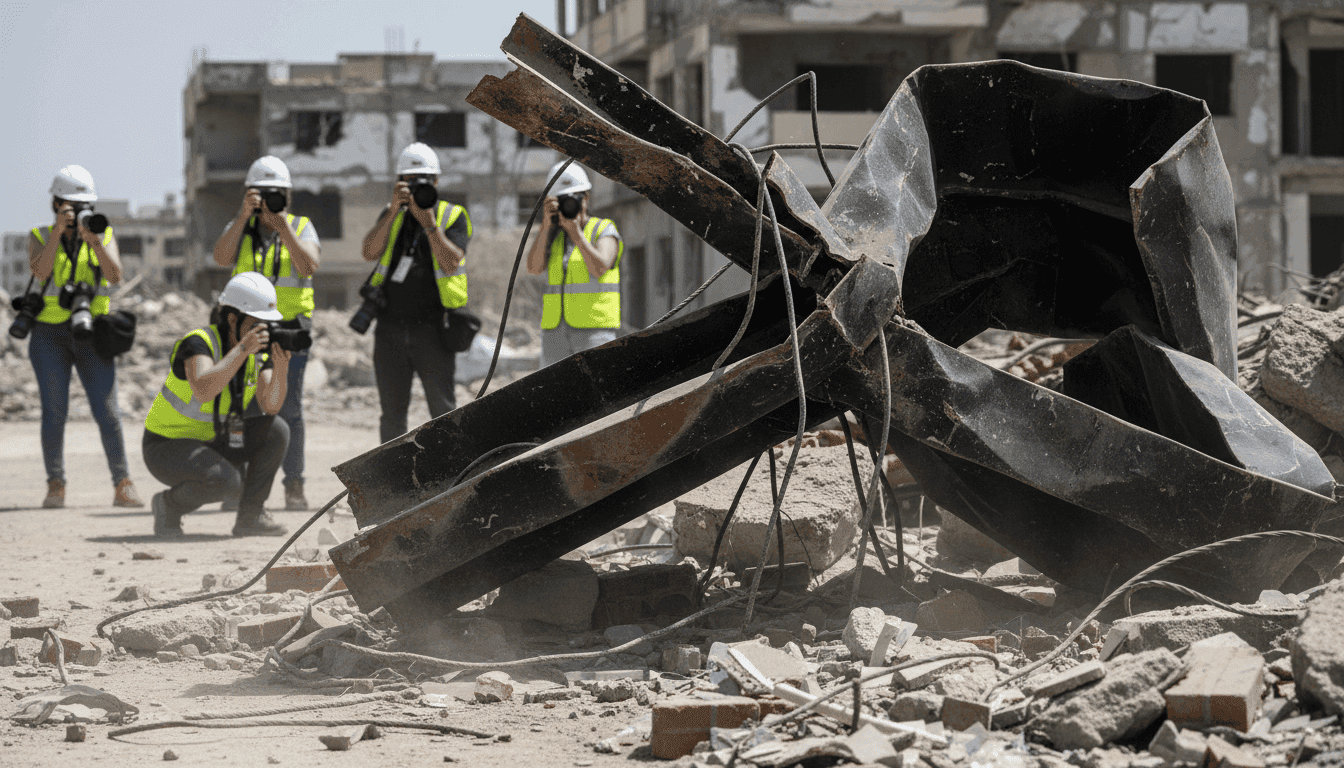
A Pakistan car bomb attack at a police checkpoint in Fateh Khel, Bannu, has tragically claimed the lives of at least 15 police officers and wounded three others, sending shockwaves across the region and amplifying concerns about stability and security. The brutal assault, which occurred on the night of Saturday, May 9, 2026, in Khyber Pakhtunkhwa province, bordering Afghanistan, marks a critical escalation in the ongoing wave of militancy.
The meticulously planned attack, claimed by the militant alliance Ittehad-ul-Mujahideen, began with a suicide bomber ramming an explosives-laden vehicle into the police checkpoint. The ensuing explosion decimated the structure, reducing it to rubble. What followed was a multi-stage assault involving more than 100 militants who stormed the post, unleashing heavy weaponry and even employing small drones (quadcopters) in their coordinated strike. The attackers not only inflicted heavy casualties but also took police personnel and weapons as they retreated, showcasing a disturbing level of tactical sophistication.
Evolving Threat: Militant Tactics and Regional Ramifications
Security analysts are sounding alarms over the increasingly sophisticated tactics employed by militant groups, including coordinated bombings, drone surveillance, and multi-stage assaults designed to maximize casualties among security personnel. This Pakistan car bomb attack serves as a stark reminder of the evolving nature of the threat in Pakistan’s border regions and the formidable challenges faced by its security forces.
The incident has significantly intensified concerns about Pakistan’s persistent security crisis and its broader impact on regional stability in South Asia. Since the Taliban’s return to power in Afghanistan in 2021, Pakistan has witnessed a sharp surge in militant violence, particularly concentrated in the Khyber Pakhtunkhwa province. Islamabad has repeatedly accused Kabul of harboring militants who orchestrate attacks within Pakistan, a claim vehemently denied by the Taliban, who assert that militancy in Pakistan is an internal matter.
“Militant groups are increasingly employing sophisticated tactics, including coordinated bombings, drone surveillance, and multi-stage assaults, to maximize casualties among security personnel. This attack highlights the evolving nature of the threat in Pakistan’s border regions.”
The already strained relationship between Pakistan and the Taliban has deteriorated further, leading to cross-border skirmishes and even Pakistani airstrikes inside Afghanistan in February, targeting alleged militant strongholds. While the intensity of fighting has somewhat eased, no official ceasefire has been brokered, leaving the region on edge.
Economic Undercurrents: The Cost of Instability
Beyond the immediate human toll and security concerns, repeated militant attacks and the ongoing security crisis in Pakistan carry significant economic implications. Such instability has the potential to negatively impact economic confidence, impede critical infrastructure development, and deter foreign investment opportunities, particularly in vulnerable areas.
While specific market impact data for this particular incident is not yet available, historical precedent offers a grim outlook. Past attacks have caused substantial disruption; for instance, a car bomb in Peshawar in September 2013 killed 37 people and severely damaged shops and a mosque. Similarly, a December 2012 car bomb in a market killed 17 and injured over 70, leaving numerous shops and vehicles in ruins. Such events foster an environment of uncertainty that actively discourages economic activity and investment.
This latest Pakistan car bomb attack is expected to mount considerable pressure on the Pakistani government to launch expanded and more decisive counterterrorism operations in the northwest. The international community will be closely watching how Islamabad navigates this escalating crisis, balancing its internal security needs with the delicate dynamics of its relationship with Afghanistan.
What Lies Ahead: A Precarious Path
The future implications of this attack are profound. The immediate focus will undoubtedly be on enhanced security measures and potential retaliatory actions against the militant alliance. However, the long-term challenge lies in addressing the root causes of militancy, fostering regional cooperation, and stabilizing the volatile border regions. The international community, particularly nations with strategic interests in South Asia, will be keen observers of Pakistan’s response and its potential ramifications for broader regional stability.
The tragic loss of 15 police officers in Fateh Khel underscores the urgent need for a comprehensive and sustainable strategy to combat terrorism. The evolving tactics of militant groups, coupled with the complex geopolitical landscape, present an enduring challenge that demands a resolute and coordinated response from all stakeholders. Failure to adequately address this surging threat could have far-reaching consequences, impacting not only Pakistan but the entire South Asian region and beyond. For more trending stories, visit our news section.