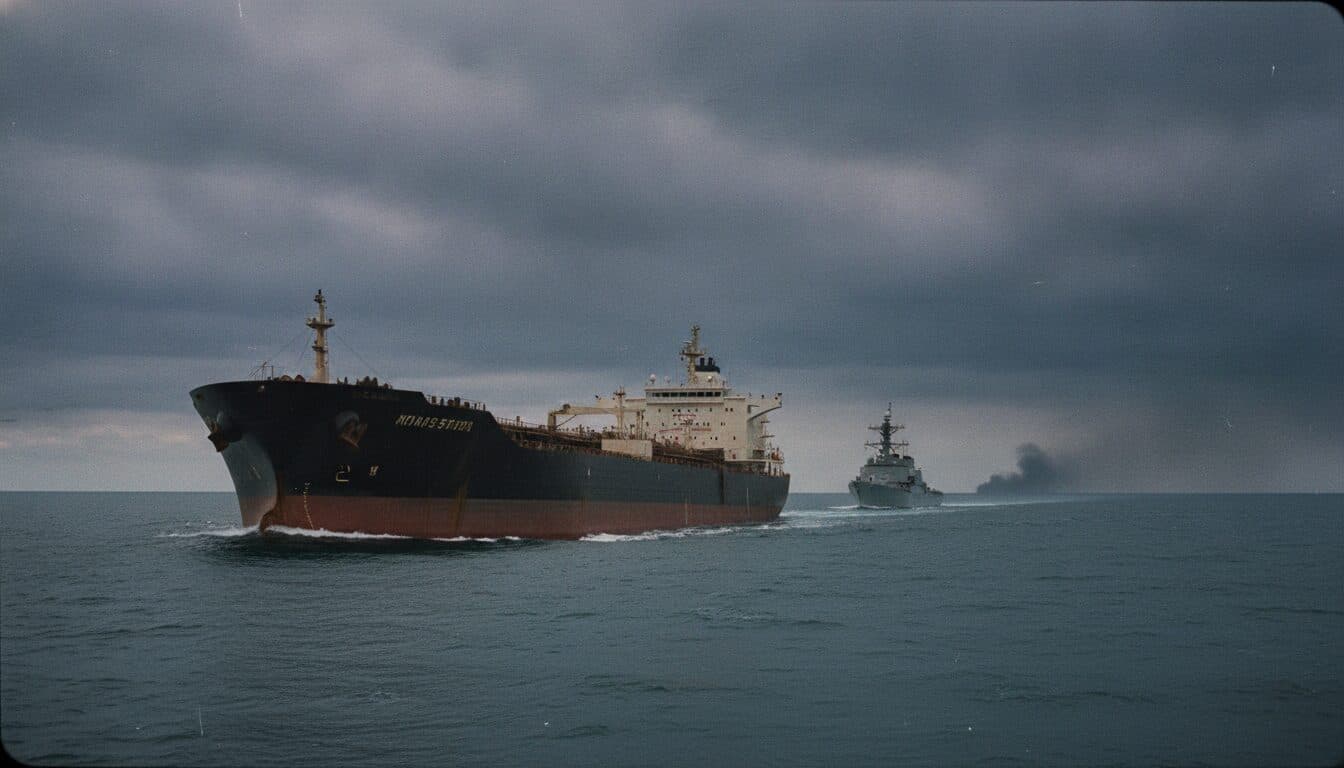
Global oil markets are in turmoil, with WTI crude surging past $103 per barrel, following President Trump’s definitive rejection of Iran’s latest ceasefire proposal on Wednesday, April 29, 2026. This decision signals an extended blockade of the strategically vital Strait of Hormuz, intensifying fears of prolonged conflict and significant supply disruptions that are reverberating through the global economy.
The rejection has sent WTI crude oil trading between $101 and $103 per barrel, maintaining a sharp upward trajectory. Brent crude has similarly surged, now trading above $113 per barrel. Analysts are already revising their forecasts, with some predicting WTI could soon reach $110 and Brent $115, underscoring the immediate and substantial financial implications of this geopolitical chess match. The President’s stance is unequivocal: he will not lift the naval blockade until a comprehensive deal addressing Iran’s nuclear program is secured. “The blockade is somewhat more effective than the bombing. They are choking like a stuffed pig,” Trump reportedly stated, leaving little room for de-escalation in the near term.
Oil Prices Surge on Hormuz Blockade Extension
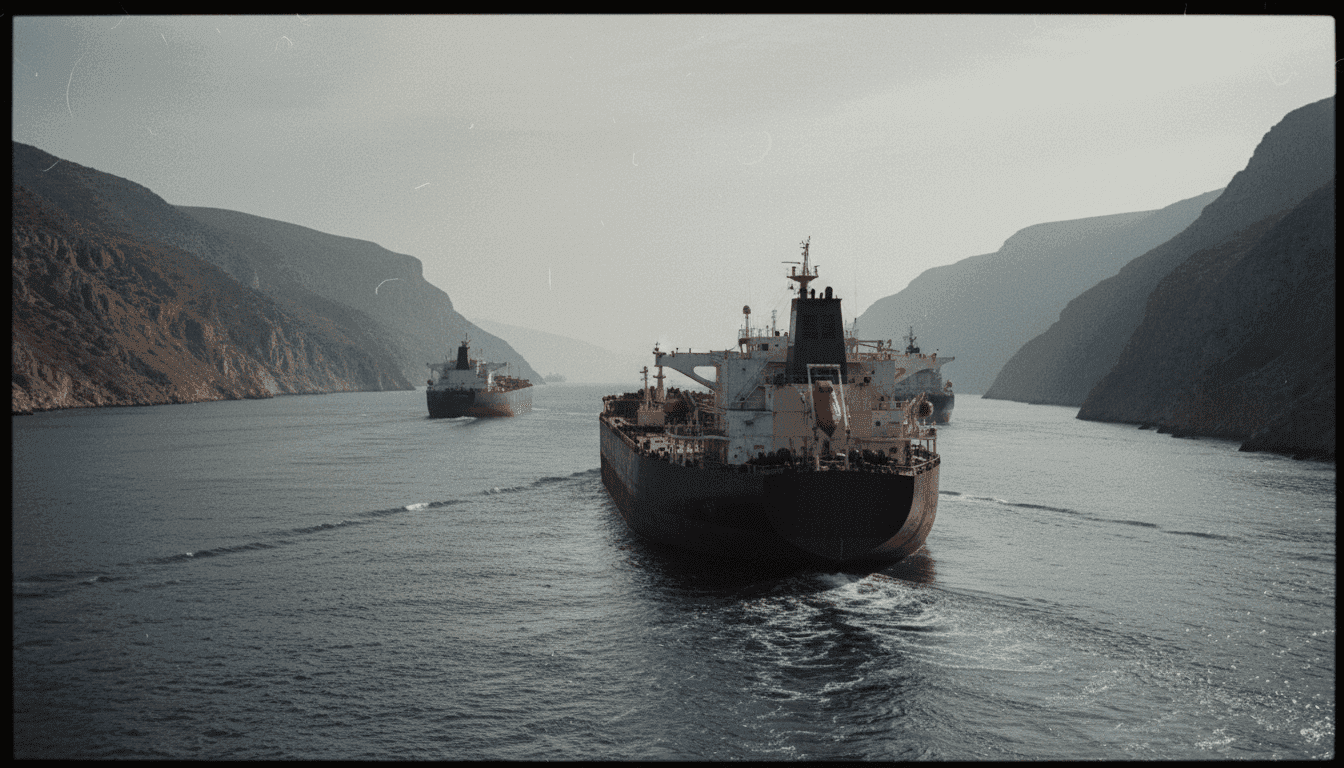
At the heart of the crisis is the Strait of Hormuz, a narrow sea passage that is an indispensable chokepoint for global oil trade. In 2025, approximately 20 million barrels per day (mb/d) of crude oil and oil products, representing about 25% of the world’s seaborne oil trade, transited this strait. The ongoing blockade, initiated by Iran in response to US and Israeli airstrikes on February 28, 2026, has already created what the International Energy Agency describes as the “largest supply disruption in the history of the global oil market.” The current situation sees the US blocking ships to and from Iranian ports, while Iran has effectively closed the strait to almost all other traffic, impacting an estimated 20% of the global oil supply.
This latest development follows a two-week ceasefire, mediated by Pakistan and agreed upon on April 7, 2026, which had offered a brief glimmer of hope. That agreement stipulated Iran would reopen the Strait of Hormuz. President Trump had extended this truce to allow for the very Iranian proposal that has now been rejected. However, negotiations have since lost all momentum, with Iran’s foreign ministry asserting that Washington “must abandon its illegal and irrational demands” and is “no longer in a position to dictate its policy to independent nations.” Iran has also insisted on maintaining some control over shipping through the strait, a condition seemingly incompatible with the US position.
The intensifying geopolitical tensions are not confined to the oil markets. Global stock markets are experiencing mixed trading as investors grapple with the uncertainty, particularly ahead of a crucial Federal Reserve announcement. The Federal Open Market Committee (FOMC) is widely expected to keep the federal funds rate unchanged at the 3.50%-3.75% target range for a third consecutive meeting in April 2026, a decision due at 2:00 PM Eastern Time (6:00 PM GMT) today. Rising inflation, exacerbated by surging oil prices, and the pervasive geopolitical risks are key factors influencing the Fed’s cautious stance. Fed Chair Jerome Powell is scheduled to hold a press conference at 6:30 PM GMT, where his remarks will be dissected for any signals regarding future monetary policy in this volatile environment.
“The rejection of the ceasefire and the sustained blockade of the Strait of Hormuz represent a significant escalation that will undoubtedly fuel inflationary pressures and dampen global economic growth prospects.”
Beyond the financial calculus, there are profound humanitarian concerns. The volatility of global oil prices caused by the conflict is severely hindering humanitarian aid efforts. Aid organizations are urgently calling for a “humanitarian corridor” through the Strait of Hormuz to facilitate the delivery of critical supplies. The World Food Programme has grimly estimated that the increase in oil prices alone means it will be unable to reach approximately 1.5 million people globally, highlighting the devastating human cost of this prolonged standoff.
Looking ahead, the immediate future appears fraught with risk. The continued hardline stance from both Washington and Tehran suggests that an immediate resolution to the Strait of Hormuz blockade is unlikely. Investors and consumers alike must brace for sustained high oil prices, which will inevitably translate into higher gas prices at the pump and increased costs across various sectors. The Federal Reserve’s comments later today will offer some insight into how policymakers intend to navigate this inflationary storm, but the primary drivers of market volatility remain firmly in the geopolitical arena. The world watches, and pays, as the standoff in the Middle East continues to reshape global economic realities. For more insights on market reactions to geopolitical events, visit our related trending articles.