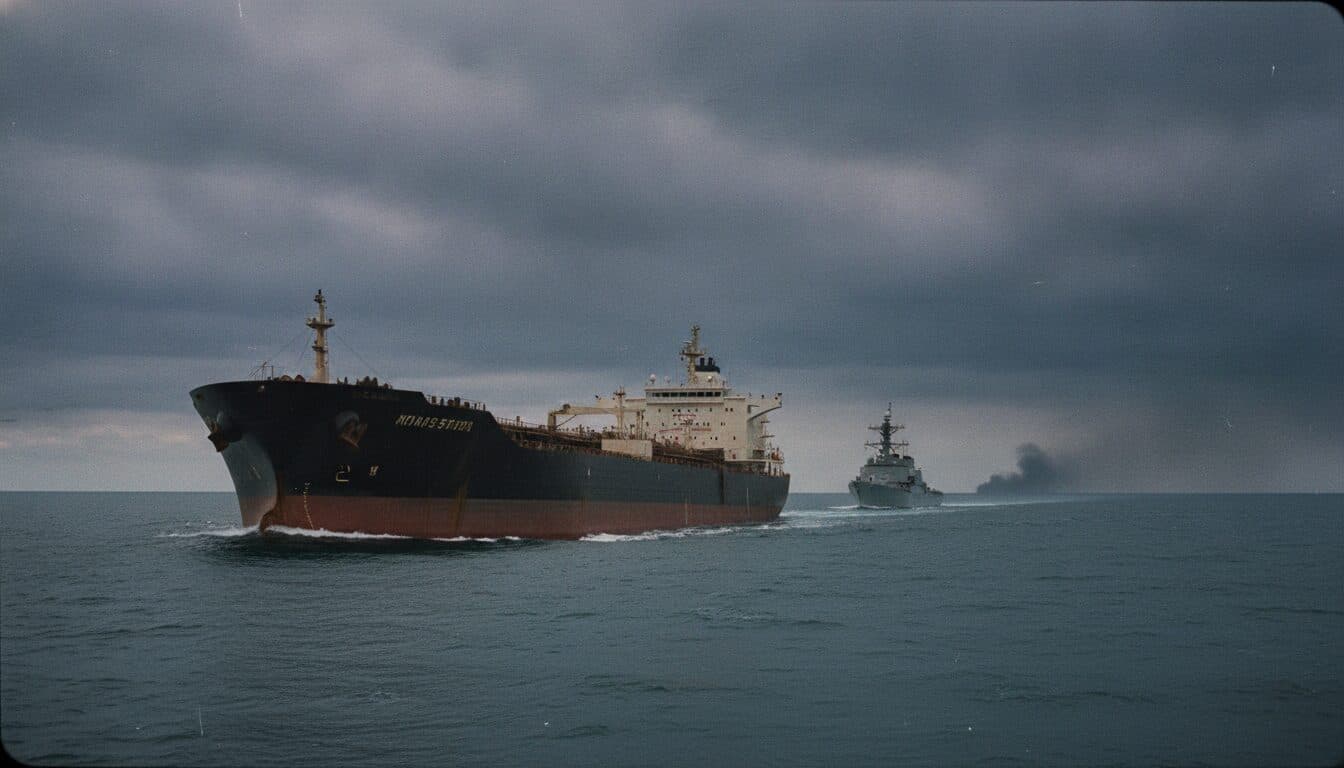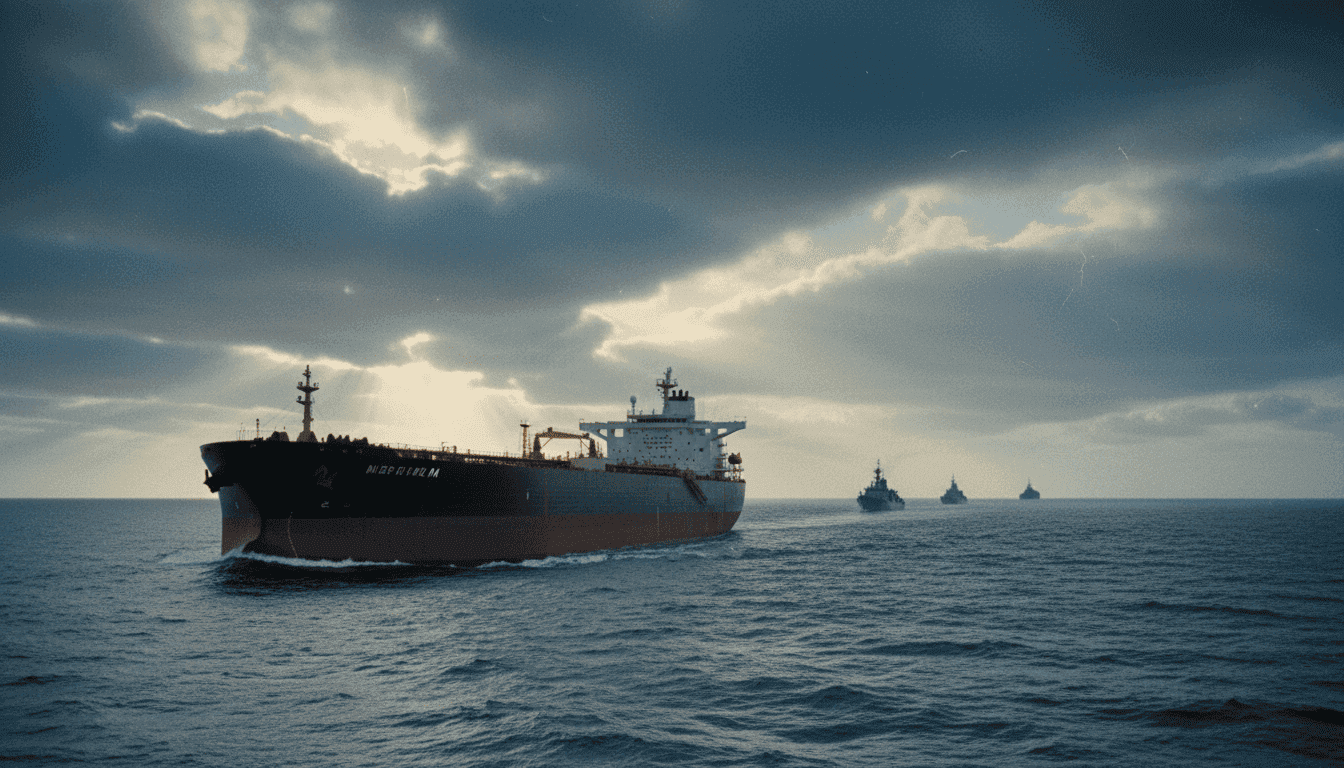
Global oil prices have surged past $120 per barrel, propelled by the escalating tensions between the United States and Iran, which have culminated in a dual blockade of the critical Strait of Hormuz. This escalating conflict, now entering its third month, has sent shockwaves through the global economy, raising fears of a protracted ‘frozen conflict’ and a potential worldwide recession.
The crisis began to unfold on February 28, 2026, when Iran initiated a blockade of the Strait of Hormuz. This retaliatory measure followed coordinated US and Israeli airstrikes on Iranian military and nuclear facilities, which tragically resulted in the death of Iran’s Supreme Leader Ali Khamenei. The Iranian Revolutionary Guard (IRGC) swiftly asserted control over the strait, issuing warnings, boarding and attacking merchant ships, and deploying sea mines. By March 27, the IRGC declared the strait entirely closed to any vessel linked to the ports of the US, Israel, and their allies. This unprecedented move has effectively stranded approximately 20,000 mariners and 2,000 ships within the Persian Gulf, severely disrupting a waterway that typically handles between 17 and 21 million barrels of crude oil and petroleum products daily – roughly one-fifth of global supply.
Oil Prices Soar Amid Blockade
The immediate and most visible consequence of the Strait of Hormuz blockade has been the dramatic surge in global oil prices. Brent crude, trading around $70 per barrel before the conflict, breached the $100 mark on March 8, 2026, for the first time in four years. It subsequently peaked at an alarming $126 per barrel, marking the largest monthly increase in March 2026 and the most significant disruption to world energy supply since the 1970s energy crisis. In the US, retail gasoline prices reached a peak of $4.17 per gallon, burdening consumers and businesses alike.
The US, in response to Iran’s actions, initiated its own naval blockade of Iranian ports on April 13, creating a complex and dangerous ‘dual blockade’ scenario. President Trump has firmly rejected Iran’s latest peace proposals, which reportedly included reopening the Strait of Hormuz in exchange for delaying nuclear negotiations. The President has publicly stated that the US will “continue the current blockade for months if needed,” viewing it as “somewhat more effective than the bombing.” Meanwhile, US Central Command (CENTCOM) is reportedly preparing plans for “short and powerful” strikes on Iranian infrastructure targets, aiming to compel Iran back to negotiations with greater flexibility.
Iran, under its new attributed Supreme Leader, Mojtaba Khamenei, has maintained a defiant stance. On April 30, Khamenei issued a chilling warning, stating that “foreigners who commit evil” have no place but in the “depths of water” in the Persian Gulf. He also asserted that Iran’s “new management” of the Strait of Hormuz would “bring peace and progress” to the region, a claim that starkly contrasts with the current economic turmoil. Iran’s military has further warned of “unprecedented military action” should the US blockade persist.
“The ongoing standoff has led to concerns about a global recession, with a Federal Reserve Bank of Dallas simulation suggesting a nine-month disruption removing 20% of global oil supply could lower global real GDP growth by an annualized 2.9 percentage points in the second quarter alone.”
Despite a temporary ceasefire agreed on April 8, which was intended to facilitate the reopening of the strait, Iran began controlling traffic and imposing tolls, leading directly to the US Navy’s counter-blockade. Talks between the two nations have since stalled, with President Trump dismissing Iranian proposals to defer nuclear discussions until the conflict and shipping disputes are resolved. This diplomatic impasse has led market observers to increasingly believe that a “frozen conflict” scenario is emerging, where neither side appears willing to escalate to decisive military confrontation, yet the economically crippling dual blockade remains firmly in place.
The ripple effects of this crisis extend far beyond crude oil. Other vital commodity markets, including aluminum, fertilizer, and helium, have experienced significant disruption. Nations most reliant on the Strait of Hormuz for their energy needs, such as China, Japan, South Korea, and India, face severe economic headwinds. The World Bank has warned that the US-Israeli war on Iran is poised to push energy prices up by nearly a quarter, reaching levels not seen since Russia’s invasion of Ukraine in 2022. The global economic implications are profound, with the potential for widespread inflation and significant contractions in growth.
Looking ahead, the path to de-escalation remains unclear. With both sides entrenched in their positions and rejecting proposals, the prospect of an immediate resolution appears dim. The international community watches with bated breath, hoping for a diplomatic breakthrough that can avert further economic damage and potential military escalation. For investors and businesses, the volatility in energy markets and the broader economic uncertainty demand careful navigation and strategic planning in what has become one of the most significant geopolitical crises of the decade.