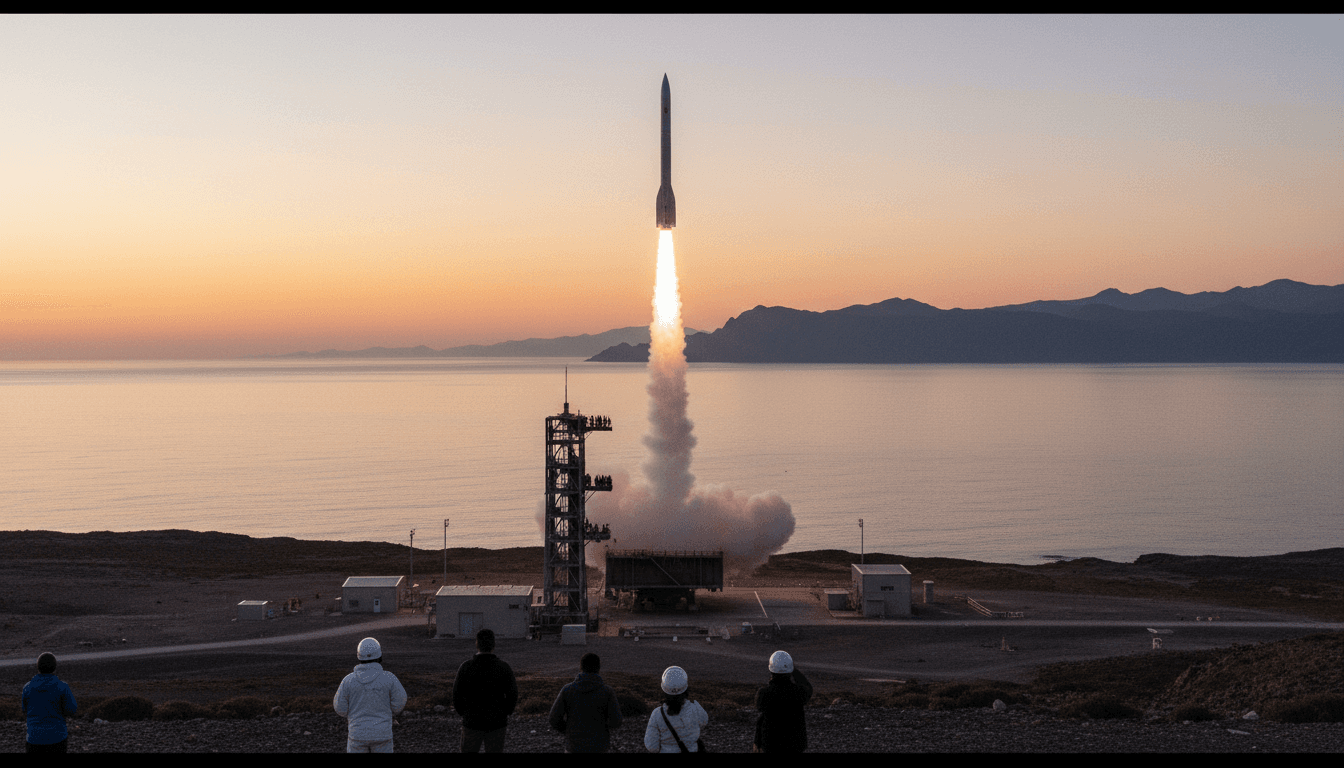
North Korea missile launches have once again thrust the hermit kingdom into the global spotlight, with a second projectile launch in two days significantly raising regional tensions and renewing deep concerns about its rapidly advancing weapons program. This latest provocation, confirmed on Wednesday, April 8, 2026, by regional defense authorities, underscores Pyongyang’s persistent defiance of international sanctions and its unwavering commitment to developing its military capabilities.
The current flurry of activity follows a pattern of intermittent but increasingly sophisticated tests by North Korea. While details regarding the specific type of projectile launched remain under assessment, the sheer frequency – two launches in as many days – signals a deliberate escalation. This move is being closely watched by Washington, Seoul, and Tokyo, who view these tests not merely as military exercises but as direct challenges to regional stability and global non-proliferation efforts. The immediate aftermath has seen a flurry of diplomatic consultations and condemnations, though concrete actions beyond rhetorical warnings have yet to materialize.
The Immediate Aftermath and Global Impact
The immediate global impact of these North Korea missile launches is a palpable increase in geopolitical anxiety, particularly across Northeast Asia. Countries like South Korea and Japan, directly within striking distance of Pyongyang’s arsenal, are on high alert. Stock markets in Seoul and Tokyo showed slight tremors in early trading, reflecting investor unease about potential instability. Shipping lanes and air traffic in the region are also under heightened scrutiny, although no direct disruptions have been reported yet. The broader implications extend to international diplomacy, as the United Nations Security Council is expected to convene, albeit with the familiar challenges of achieving consensus on punitive measures given the geopolitical landscape.
Economically, while direct financial markets haven’t seen a dramatic plunge, the cumulative effect of ongoing North Korean provocations contributes to a climate of uncertainty that can deter foreign investment in the region over the long term. Industries reliant on stable supply chains and predictable international relations, such as automotive manufacturing and advanced technology, are particularly sensitive to such geopolitical shifts. The cost of maintaining robust defense postures in South Korea and Japan also continues to climb, diverting resources that could otherwise be allocated to economic development or social programs.
“Pyongyang’s consistent disregard for international norms poses a significant challenge to the global security architecture. These latest North Korea missile launches are not just about military technology; they are a direct test of the international community’s resolve.”
Context and Analysis of North Korea Missile Launches
These recent North Korea missile launches are set against a backdrop of decades of the regime’s determined pursuit of nuclear weapons and ballistic missile technology. Despite crippling international sanctions, Pyongyang has consistently demonstrated an ability to innovate and expand its arsenal. Experts suggest that the timing of these tests could be multi-faceted: a show of strength domestically, a bargaining chip for future negotiations, or an attempt to exploit perceived divisions among its adversaries. Historically, North Korea has often conducted such tests to coincide with significant political events or in response to joint military exercises by the U.S. and its allies.
Data from previous years indicates a clear upward trend in the frequency and sophistication of North Korean missile tests. From short-range projectiles to intercontinental ballistic missiles (ICBMs) capable of reaching the U.S. mainland, the technological advancements are undeniable. Analysis often points to the regime’s strategy of ‘salami-slicing,’ gradually escalating provocations without crossing a threshold that would trigger an overwhelming international response. The current launches fit this pattern, testing regional defenses and international patience without immediately sparking a full-blown crisis.
What’s Next: Future Implications
The immediate future will likely see increased diplomatic pressure on Pyongyang, though the efficacy of such efforts remains a perennial question. The United States, South Korea, and Japan are expected to strengthen their trilateral security cooperation, potentially including more frequent joint military exercises and enhanced intelligence sharing. China, North Korea’s primary economic lifeline, will face renewed calls from the international community to exert greater influence, a move it has historically been reluctant to make decisively. The possibility of additional, more stringent sanctions remains on the table, though their impact is often debated given North Korea’s insulated economy.
Observers will be watching for any further North Korea missile launches or other provocative acts. The regime under Kim Jong Un has repeatedly proven its unpredictability, and future actions could include testing new types of weaponry or even a nuclear test, which would undoubtedly trigger a far more severe international backlash. The long-term implications involve a continued arms race in the region, increased militarization, and the ongoing challenge of de-escalating tensions without legitimizing North Korea’s nuclear ambitions. The world holds its breath, waiting to see if diplomacy can once again avert a deeper crisis.