Major Nepal PM arrested, Khadga Prasad Oli, along with former Home Minister Ramesh Lekhak, ignites widespread concerns about political instability in the Himalayan nation. Their arrests on Saturday, March 28, 2026, are directly linked to the deaths of dozens during violent youth-led protests in September of the previous year, a development that has sent immediate ripples through Nepal’s political landscape and beyond.
The high-profile arrests come just a day after a new government, led by rapper-turned-politician Balendra Shah of the Rastriya Swatantra Party, took office following a landslide victory in parliamentary elections earlier this month. The timing underscores the new administration’s stated commitment to accountability and justice, as articulated by Home Minister Sudan Gurung, who announced the arrests on social media. Gurung’s statement, “No one is above the law… This is not revenge against anyone, it is just the beginning of justice,” sets a firm tone for the government’s agenda.
The Core of the Crisis: September’s Deadly Protests
The roots of this profound political upheaval lie in the “Gen Z” protests of September 2025. These demonstrations, initially sparked by a controversial social media ban, rapidly escalated into a broader outpouring of public anger against corruption and perceived poor governance under Oli’s administration. The protests tragically resulted in significant loss of life and injuries. Initial reports indicated 19 deaths from police firing on September 8, 2025, a toll that tragically rose to 76 people, with over 2,300 injured by the time the unrest subsided. The ferocity of the public’s discontent was also evident in the widespread destruction, with angry mobs burning down government offices, police stations, and homes of top politicians.
These protests directly led to the collapse of Oli’s government. In the aftermath, former Chief Justice Sushila Karki was appointed as Nepal’s first female interim prime minister, tasked with steering the country towards new parliamentary elections. An investigation commission established by the interim government subsequently recommended severe penalties, including up to 10 years in prison, for Oli, Lekhak, and the chief of police at the time. The charges include negligent killings and a failure to prevent lethal police firing.
Global Impact and Market Repercussions
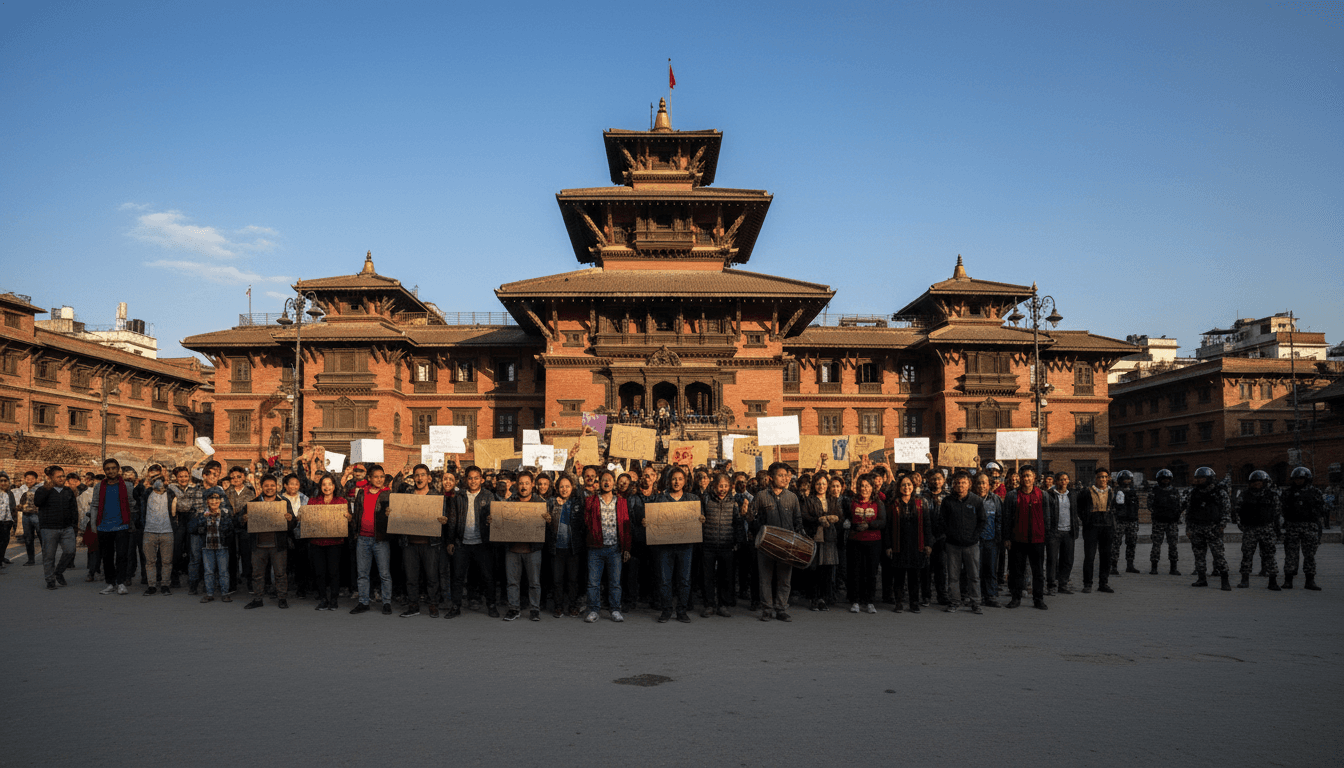
The arrests of such prominent political figures, particularly a three-time former prime minister and powerful Communist Party leader, have immediately triggered a furious response from Oli’s supporters. Hundreds gathered near the prime minister’s office to protest, chanting slogans against the new government and clashing with riot police. The Communist Party of Nepal (UML), led by Oli, has called an emergency meeting and is expected to announce further protests, with a party secretary denouncing the arrests as “prejudice and revenge.”
“No one is above the law… This is not revenge against anyone, it is just the beginning of justice.”
This escalating tension signals a potentially turbulent period for Nepal’s political landscape. For international observers and potential investors, heightened political instability often translates into uncertainty. While the new government’s emphasis on accountability and justice may resonate with some, the arrests risk deepening existing political divisions and fueling further unrest. The long-term market impact remains to be seen, but a period of increased political volatility could deter foreign investment and impact economic growth in the short term. Nepal’s ability to maintain order and deliver on its promises of justice while navigating these significant political challenges will be crucial for the nation’s stability and economic prospects.
What Lies Ahead for Nepal’s Political Stability?
The coming weeks will be critical in determining the trajectory of Nepal’s political stability. The new government, still in its nascent stages, faces the immediate challenge of managing the fallout from these high-profile arrests while simultaneously trying to implement its broader agenda. The response from Oli’s Communist Party of Nepal (UML) will be key; any sustained or widespread protests could further destabilize the nation. The legal proceedings against Oli and Lekhak will also be under intense scrutiny, both domestically and internationally, as they will set a precedent for accountability in Nepal’s political system.
The world will be watching to see if the new government, led by Balendra Shah, can successfully balance its pursuit of justice with the need to maintain national unity and prevent further unrest. The capacity of Nepal’s institutions to handle this politically charged situation fairly and transparently will be a significant test. The decisions made and actions taken in the immediate future will profoundly shape Nepal’s political future, influencing its economic development and its standing on the global stage.