A significant development in Myanmar’s protracted political crisis emerged today as Myanmar’s ex-leader, Aung San Suu Kyi, has been moved from prison to house arrest, according to an announcement by state television on Thursday night, April 30, 2026. This move, more than five years after the military coup in February 2021 that ousted her elected government, marks a notable, albeit cautious, shift in her detention conditions.
The Nobel Peace Prize laureate, now 80 years old, was transferred to a “designated residence” on Thursday. Her previous detention began on February 1, 2021, when the military seized power, plunging the nation into a brutal civil war and widespread unrest. Her original sentence of 33 years in prison for various charges—which her supporters and human rights groups consistently decry as politically motivated—had already been reduced to 27 years. Further amnesties on April 17 and again on April 30 saw her remaining term cut to just over 18 years.
Junta’s Rationale and Skepticism
The military junta, often criticized for its opaque operations, cited health concerns as the primary reason for the transfer. State media, quoting a junta spokesman, stated that the move was a health measure due to extremely hot weather, as a precaution against heat stroke for Suu Kyi and other elderly prisoners. The military also invoked “humanitarian concern” and a desire to “demonstrate the kindness of the state” as reasons for the transfer, which coincidentally aligned with Buddha Day.
However, this explanation has been met with considerable skepticism from international observers and Suu Kyi’s supporters. Her son, Kim Aris, has repeatedly voiced deep concerns about his mother’s health, detailing a worsening heart condition and other ailments, including severe toothache and gum disease that made eating difficult. Aris has previously called the junta’s treatment “cruel, life-threatening, and unacceptable,” urging her unconditional release and access to proper medical care. He views the current move as a “calculated gesture” rather than genuine progress, emphasizing that “moving her from a prison to a secret location does not mean freedom.”
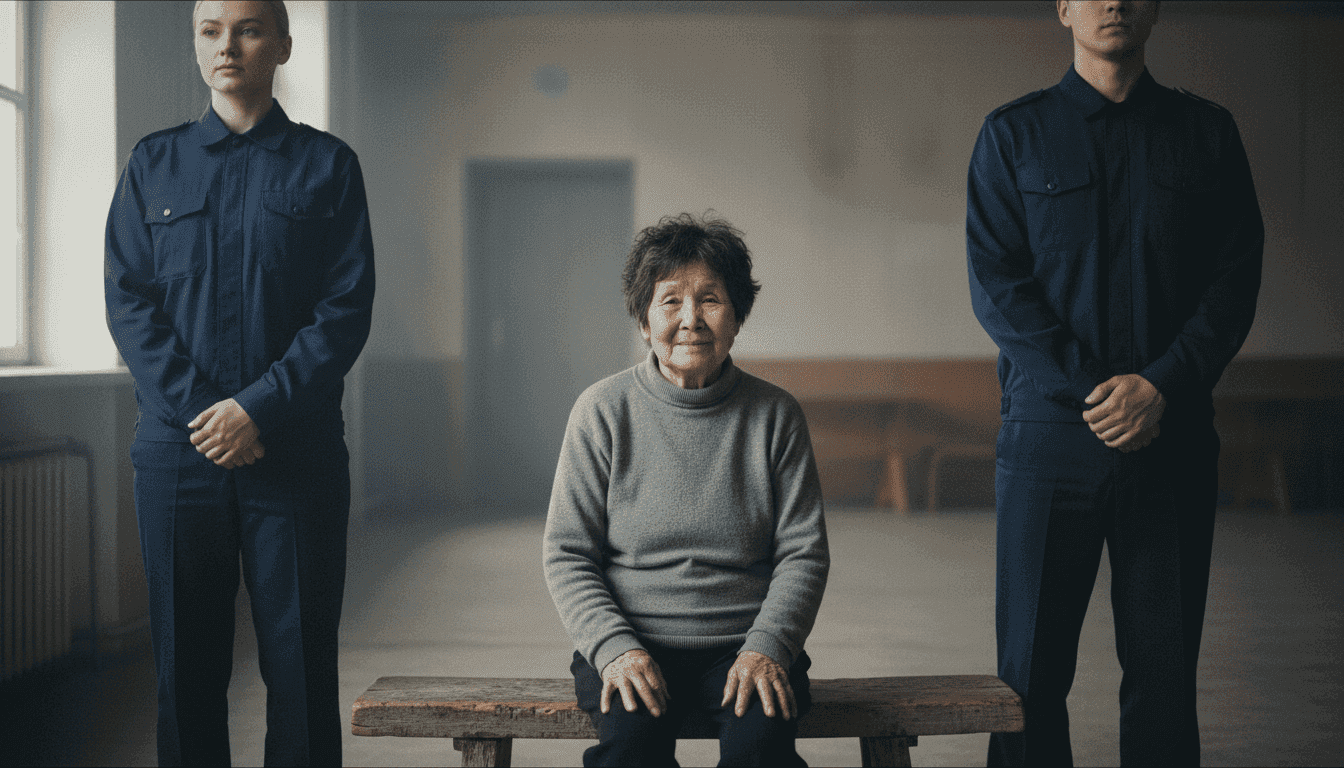
The exact location of her house arrest has not been disclosed by the military. A senior source from her dissolved National League for Democracy (NLD) party suggested she would likely be kept sequestered at an address in the capital, Naypyitaw. A photo released with the announcement, showing the 80-year-old Suu Kyi sitting on a wooden bench flanked by two uniformed personnel, is the first public image of her in years, though its exact date remains unconfirmed. Kim Aris believes the photo might be from 2022, further fueling doubts about the junta’s transparency.
“Moving her from a prison to a secret location does not mean freedom,” said Kim Aris, highlighting the ongoing concerns about his mother’s liberty and well-being.
Myanmar Ex-Leader Moved to House Arrest: Global Repercussions
The international community’s response to the news that Myanmar’s ex-leader has been moved to house arrest has been mixed. While some international bodies might welcome it as a nominal positive step, the overarching sentiment remains one of caution and continued condemnation of the junta’s rule. The move does little to address the fundamental issues of human rights abuses, the suppression of democratic aspirations, and the ongoing civil conflict that has plagued Myanmar since the 2021 coup.
Nay Phone Latt, spokesperson for Myanmar’s parallel anti-junta administration, the National Unity Government, reiterated the stance that all political prisoners, including Suu Kyi, are unjustly detained and should be freed unconditionally. He also questioned the undisclosed location, stating, “Where is she? This is not hard evidence that Daw Aung San Suu Kyi is alive, nor is it an unconditional release of our leader.” The lack of transparency surrounding her exact whereabouts and conditions continues to be a major point of contention.
Aung San Suu Kyi’s life has been inextricably linked with Myanmar’s struggle for democracy. She has spent nearly two decades under some form of arrest since 1989, becoming a global symbol of resistance against oppression. Her previous periods of house arrest, from 1989 to 1995, 2000 to 2002, and 2003 to 2010, underscore a pattern of military control and her unwavering commitment to democratic principles. The charges laid against her post-coup, including corruption, inciting election fraud, and violating state secrecy rules, are widely seen as fabricated attempts to neutralize her political influence and prevent her return to power.
From an economic perspective, the immediate market impact of this specific move is difficult to isolate. Myanmar’s economy has been severely hampered by the ongoing civil war and political instability since the 2021 coup. The junta’s actions have triggered international sanctions and a sharp decline in foreign investment. While the transfer might be perceived by some as a slight de-escalation, the underlying political crisis and grave human rights concerns persist, casting a long shadow over any potential economic recovery. For more trending stories, click here.
What’s Next for Myanmar and its Former Leader?
The transfer of Myanmar’s ex-leader to house arrest, while a change in scenery, does not signify a fundamental shift in the junta’s grip on power or its approach to dissent. The coming months will be critical in observing whether this move is a precursor to further concessions, perhaps aimed at appeasing international pressure, or merely a tactical adjustment to manage Suu Kyi’s health and public perception without genuine liberalization.
The international community will continue to press for her unconditional release and that of all political prisoners. The focus will also remain on the junta’s broader actions concerning the civil war, humanitarian aid access, and any potential pathways for a return to democratic governance. The opacity surrounding Suu Kyi’s current conditions and the unconfirmed date of the released photo underscore the need for continued vigilance and verification from independent sources.
This latest development, while offering a glimpse of Myanmar’s ex-leader, ultimately reinforces the deep political chasm within the country. It serves as a stark reminder that true freedom and democracy remain elusive for the people of Myanmar, with their most prominent symbol of hope still under the strict control of the military regime.