A major migrant boat sinks Indian Ocean, leaving an estimated 250 people missing and feared dead, sparking a desperate international search and rescue operation and intensifying calls for addressing the root causes of irregular migration. The overcrowded vessel, carrying Rohingya refugees and Bangladeshi nationals, capsized in the Andaman Sea last week while en route from Bangladesh to Malaysia, adding another tragic chapter to the perilous journeys undertaken by those fleeing persecution and poverty.
The Unfolding Tragedy in the Andaman Sea
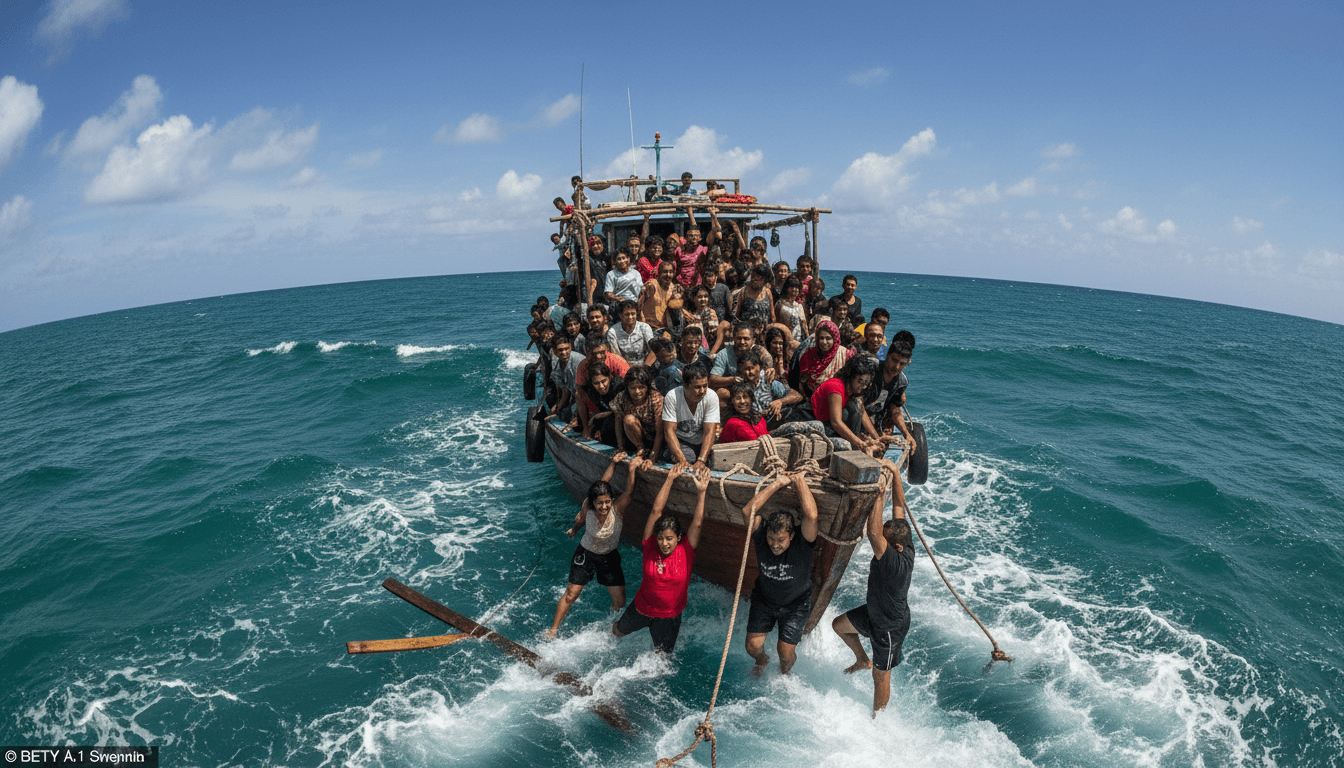
The incident, which occurred sometime last week in the treacherous Andaman Sea near the Andaman Islands, saw a trawler depart from Teknaf in Cox’s Bazar, Bangladesh, with approximately 250 individuals on board. These passengers, a mix of Rohingya refugees and Bangladeshi nationals, including children, were desperately seeking a better life and employment opportunities in Malaysia. Reports indicate that overcrowding, compounded by strong winds and rough seas, caused the vessel to lose control and ultimately sink.
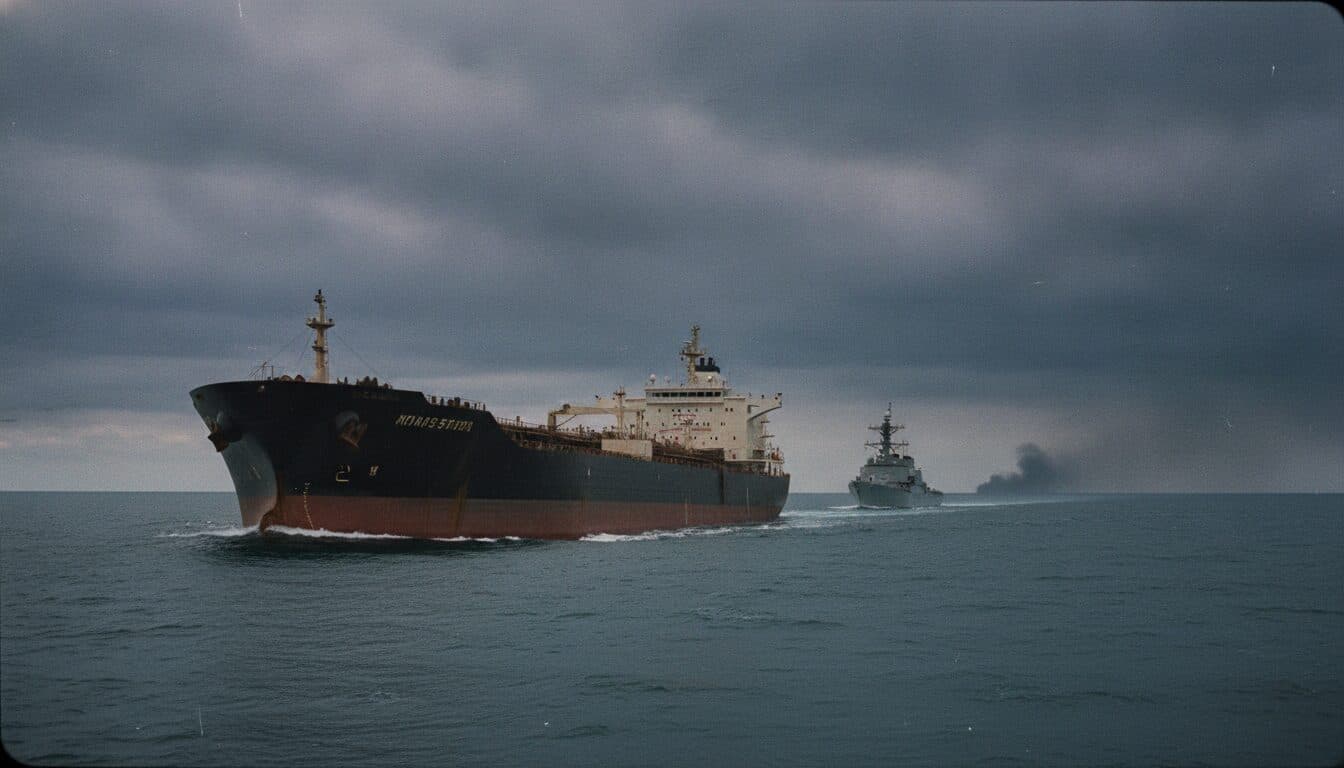
On April 9th, the Bangladesh-flagged merchant vessel M.T. Meghna Pride made a harrowing discovery, rescuing nine survivors – eight men and one woman – found clinging to drums and logs in the vast expanse of the ocean. One survivor, Rafiqul Islam, 40, recounted a terrifying ordeal of floating for nearly 36 hours, suffering burns from spilled oil. These fortunate few are a stark reminder of the hundreds who remain unaccounted for, their fates hanging in a grim balance. While 17 bodies were recovered in a similar incident in 2012, in this recent event, no official count of recovered bodies has yet been made, leaving families in agonizing uncertainty as the migrant boat sinks Indian Ocean.
A Crisis Born of Displacement and Desperation
The United Nations High Commissioner for Refugees (UNHCR) and the International Organization for Migration (IOM) have jointly underscored that this tragedy “reflects the dire consequences of protracted displacement and the absence of durable solutions for the Rohingya.” For years, thousands of Rohingya, a persecuted Muslim minority from Myanmar, have been fleeing military crackdowns and seeking refuge in Bangladesh. However, the poor living conditions and shrinking humanitarian assistance within Bangladeshi refugee camps often leave them with little choice but to embark on these perilous sea journeys.
“This tragedy reflects the dire consequences of protracted displacement and the absence of durable solutions for the Rohingya.”
The promise of employment and a safer existence in countries like Malaysia becomes a powerful, albeit dangerous, motivator. The ‘market’ for irregular migration by sea is a dark enterprise, fueled by human traffickers who exploit this desperation. These operations are highly profitable, and tragically, the removal of some traffickers often only makes way for others, potentially driving up prices for desperate migrants. The use of unsuitable and dangerously overcrowded boats for such voyages highlights the inherent risks of this trade, as another migrant boat sinks Indian Ocean.
International Response and the Path Forward
While the Bangladesh Coast Guard was instrumental in rescuing the nine survivors, an official confirmed this was not part of an official search operation as it occurred outside Bangladesh territory. The status of any broader, ongoing official search efforts for the remaining 250 missing individuals remains tragically unclear. Past incidents have seen collaboration between authorities from different countries, such as Australia and Indonesia, emphasizing the critical need for coordinated international efforts in such vast maritime disasters.
The UN agencies have issued an urgent plea to the international community to increase and sustain funding for life-saving assistance for Rohingya refugees in Bangladesh and to support the Bangladeshi host communities. Crucially, they also stressed the imperative of addressing the root causes of displacement in Myanmar. Without facilitating the safe, voluntary, and dignified return of Rohingya refugees to their homeland, these desperate and deadly sea journeys, where a migrant boat sinks Indian Ocean with alarming frequency, are likely to continue.
What’s Next: A Continuing Humanitarian Crisis
The immediate future will undoubtedly see continued, albeit likely diminishing, search efforts for the missing. However, the larger implications of this tragedy extend far beyond the immediate rescue operation. The incident will intensify scrutiny on regional governments’ policies regarding irregular migration, the effectiveness of anti-trafficking measures, and the international community’s commitment to the Rohingya crisis. Expect renewed diplomatic discussions on burden-sharing and the provision of safe and legal pathways for those seeking asylum. The economic ripple effects of such disasters, while not directly impacting global financial markets, highlight the human cost of instability and the desperate lengths people will go to escape it.
Key Takeaways
Readers should understand that this disaster is not an isolated event but a grim symptom of a larger, ongoing humanitarian crisis. The sheer number of lives lost or feared lost underscores the extreme dangers faced by irregular migrants. The incident highlights the urgent need for sustained international aid, robust anti-trafficking efforts, and ultimately, a political resolution to the Rohingya’s plight in Myanmar. Until these fundamental issues are addressed, the desperate journeys across the Indian Ocean, and the tragedies that inevitably follow, will continue to haunt the international conscience.