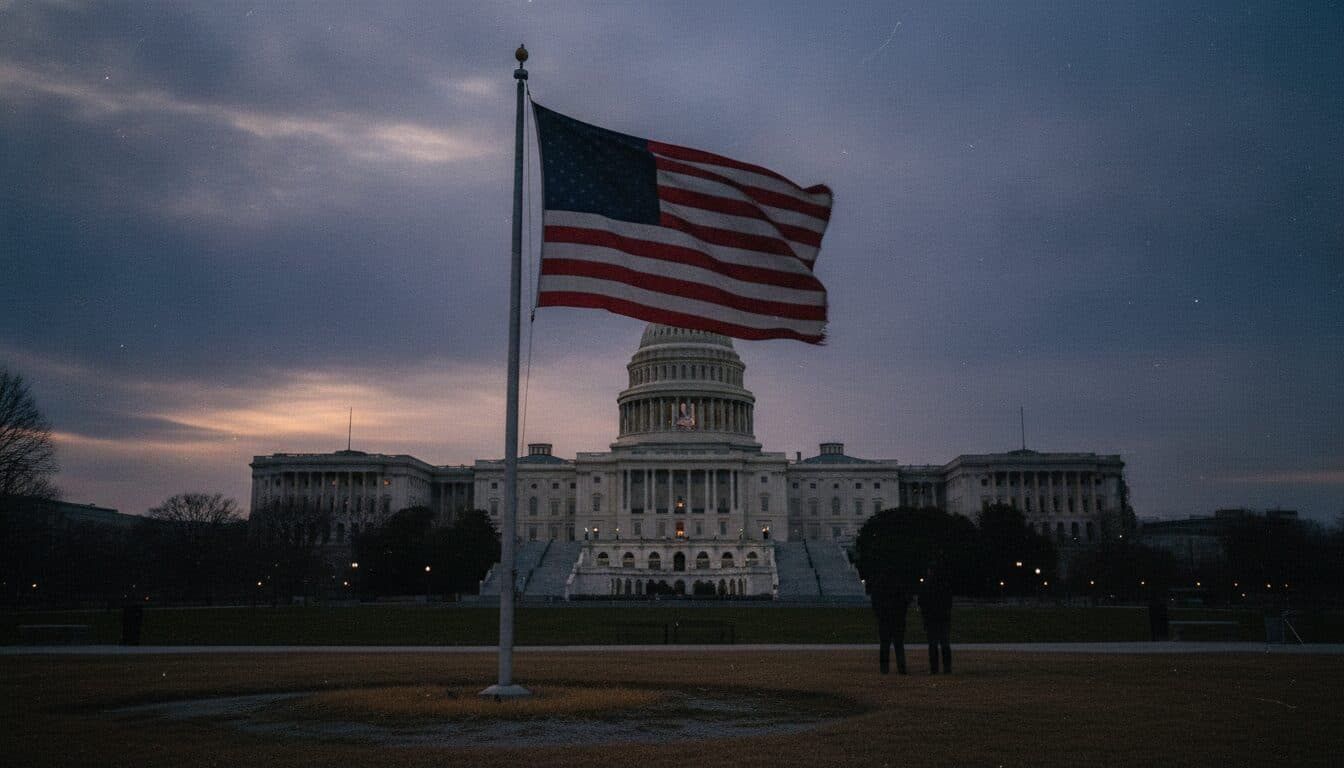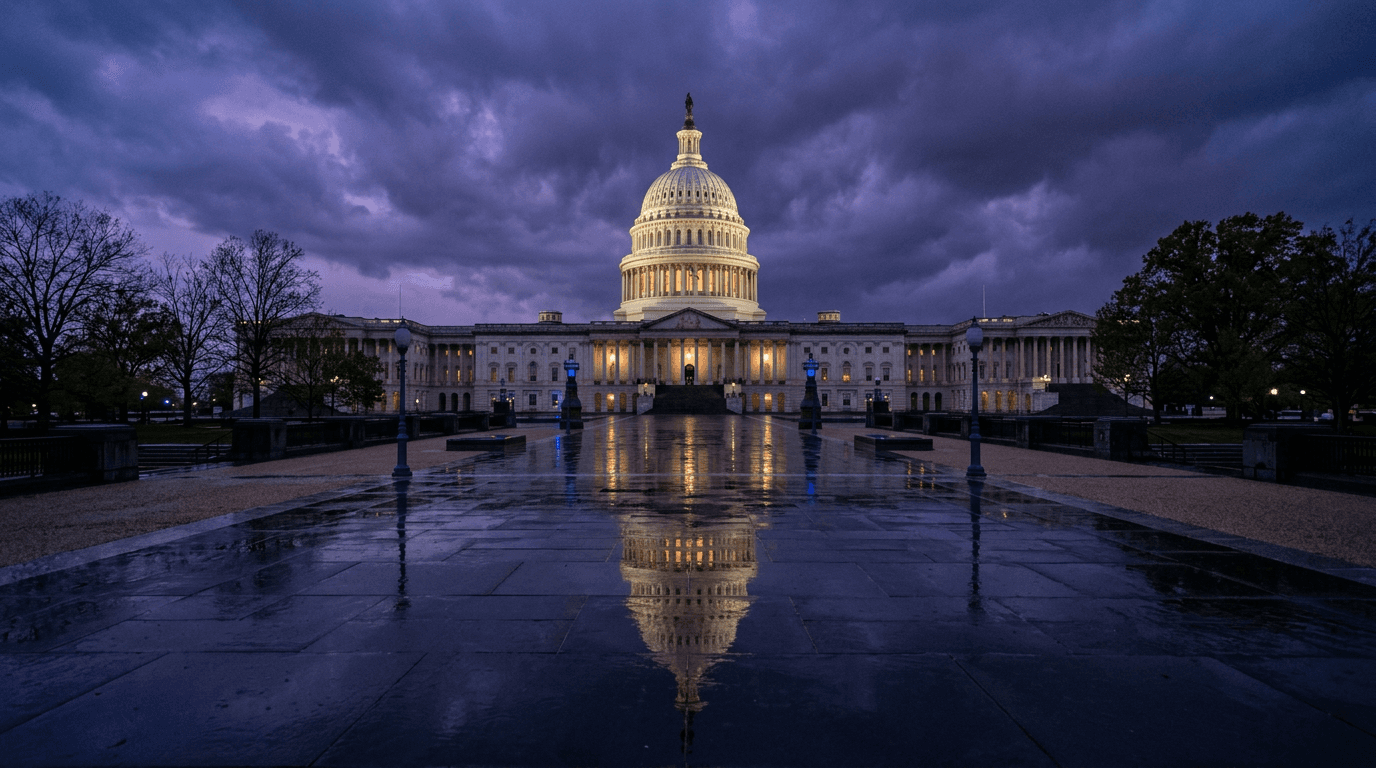
Legislative freeze conditions have gripped the United States capital as President Donald Trump issues a sweeping ultimatum that has brought federal governance to a grinding halt. On this Monday, March 9, 2026, the President has declared he will refuse to sign any further legislation into law until Congress passes the SAVE America Act, an expanded version of the Safeguard American Voter Eligibility Act. This move has brought the federal government to the brink of another shutdown, echoing the record-breaking 43-day partial closure that crippled the nation just months ago in November 2025.
The standoff is centered on a hard-line voting overhaul that President Trump insists must be passed immediately and without compromise. In a series of statements released on Truth Social, the President characterized the bill as “superseding everything else” and urged his Republican allies in Congress to “Go for the Gold.” This legislative freeze is not merely a threat; it is a total blockade of the democratic process, designed to force a fundamental shift in how American elections are conducted ahead of the 2026 midterm elections.
The Economic Toll of Political Gridlock
Market reaction to this legislative freeze has been swift and severe, as investors grapple with the possibility of another extended government shutdown. Economists at J.P. Morgan and the Congressional Budget Office (CBO) have already sounded the alarm, noting that the 43-day shutdown in late 2025 reduced fourth-quarter GDP growth by approximately 1.5%. A renewed freeze in 2026 is projected to subtract 0.2 percentage points from annualized GDP growth for every week it persists, creating a precarious environment for domestic markets.
While the S&P 500 has shown a degree of resilience, the flight to safety is evident in the commodities market. Gold recently hit a historic high of $4,000 per ounce as political uncertainty drives investors toward safe-haven assets. Furthermore, a federal spending freeze initiated in January 2025—where the administration attempted to halt federal grants and loans via executive order—remains in legal limbo. Despite a temporary injunction from a federal judge, billions of dollars in funding for infrastructure and climate projects are currently stalled, compounding the economic anxiety felt across the country.
“The SAVE America Act is dead on arrival in this chamber, as it seeks to disenfranchise up to 21 million Americans who lack ready access to the documents required under this draconian proposal.”
A Legislative Freeze Dividing the Senate
The SAVE America Act has already cleared the Republican-controlled House, but its progress has stalled in the upper chamber. Senate Minority Leader Chuck Schumer has emerged as the bill’s most vocal critic, arguing that the mandatory documentary proof of U.S. citizenship—such as a passport or birth certificate—would create insurmountable hurdles for millions. Data from the Brennan Center for Justice supports these concerns, estimating that nearly 50% of Americans do not possess a passport, and millions of married women who have changed their names would face significant administrative barriers to registration.
Within the Republican party, the strategy is equally contentious. Senate Majority Leader John Thune has expressed support for the bill’s core goals but faces internal division over the “talking filibuster” tactic. A faction of hard-line conservatives, led by Senator Mike Lee, is pushing to eliminate the filibuster entirely to push the measure through. However, Thune has resisted this “nuclear option” due to a lack of total GOP unity, leaving the bill in a state of legislative purgatory while the President’s freeze continues to block all other government business.
Provisions of the SAVE America Act
The legislation at the heart of this crisis is far-reaching, encompassing both election law and controversial social policy. The bill mandates a nationwide requirement for photo identification to cast a ballot and imposes sharp limits on mail-in voting, restricting the practice only to the military, the disabled, and those currently traveling. These measures are framed by supporters as essential for “election integrity,” while critics view them as an unconstitutional power grab aimed at narrowing the electorate. You can find more trending stories regarding the legal challenges to these provisions on our main portal.
Adding further complexity to the standoff, President Trump has demanded the inclusion of social policy riders within the bill. These include a nationwide ban on transgender women participating in women’s sports and a prohibition on gender-affirming surgeries for minors—procedures the President has labeled “transgender mutilation.” These additions have solidified Democratic opposition and turned a debate over voting logistics into a broader cultural and civil rights battleground.
The Path Toward the 2026 Midterms
As the clock ticks toward a looming Homeland Security funding lapse, the White House has remained silent on whether the President would sign a “clean” funding bill to keep the government operational. This legislative freeze is increasingly viewed as a high-stakes gamble to nationalize election rules before the 2026 midterms. For the Trump administration, it is a necessary step to secure the ballot box; for the opposition, it is a direct assault on the right to vote.
The global community is watching closely, as the stability of the world’s largest economy hangs in the balance. With gold prices soaring and GDP growth under threat, the coming days will determine if a compromise can be reached or if the United States will descend into a prolonged period of functional paralysis. The long-term effects of this legislative freeze on the American institutional fabric may be felt for decades to come, regardless of the immediate outcome of the SAVE America Act standoff.