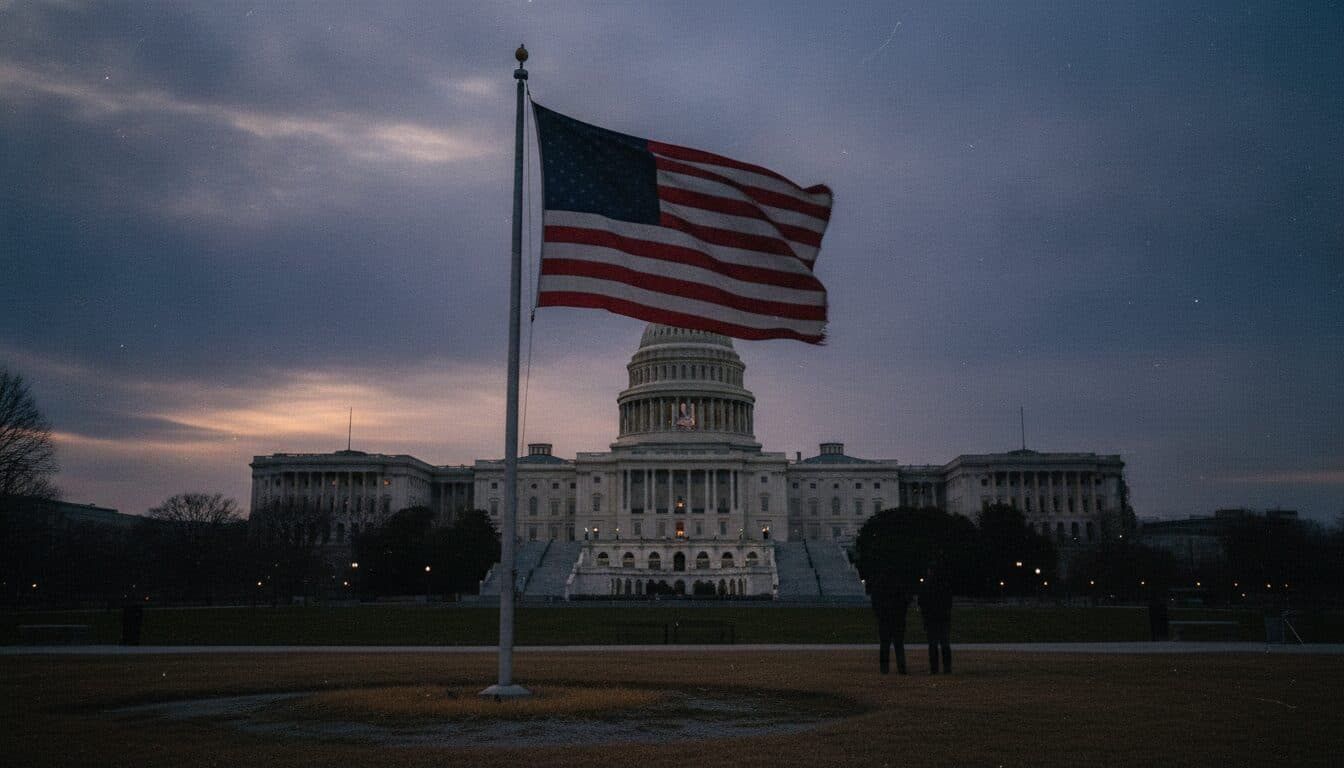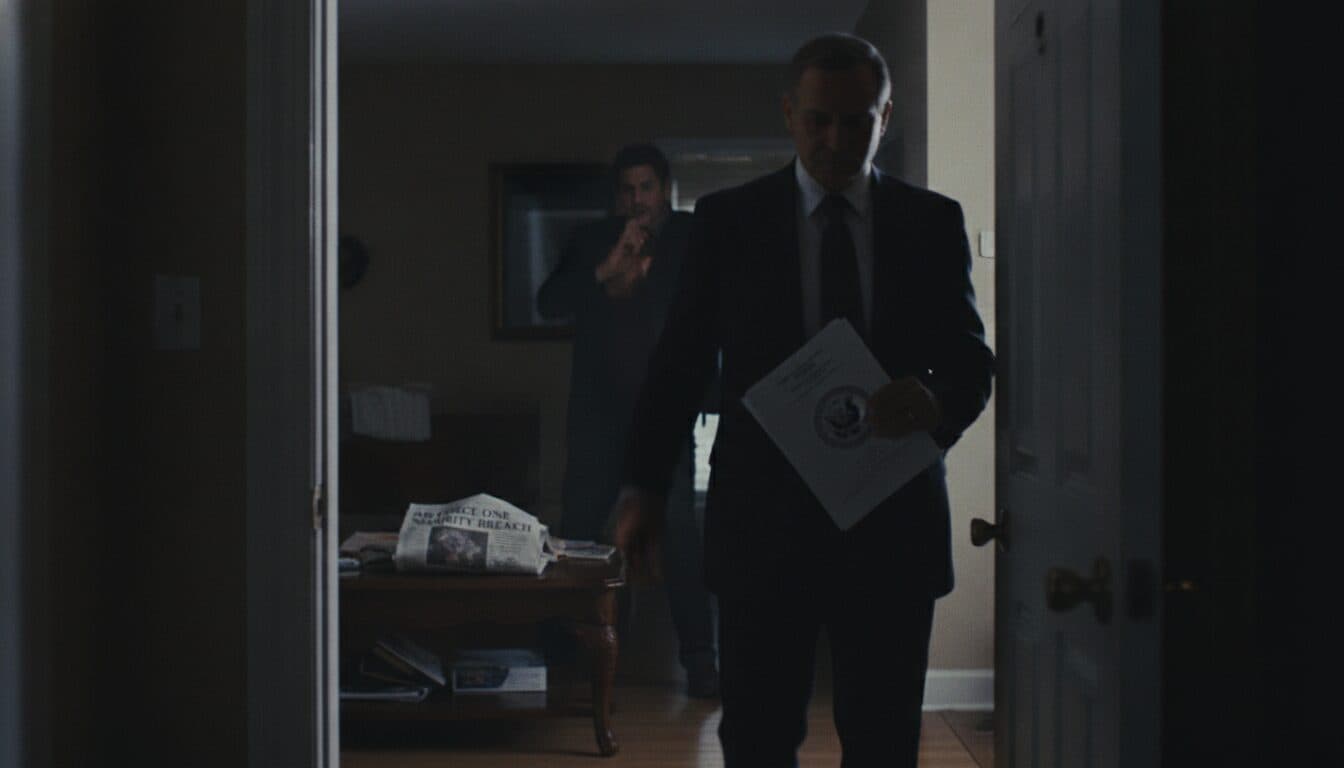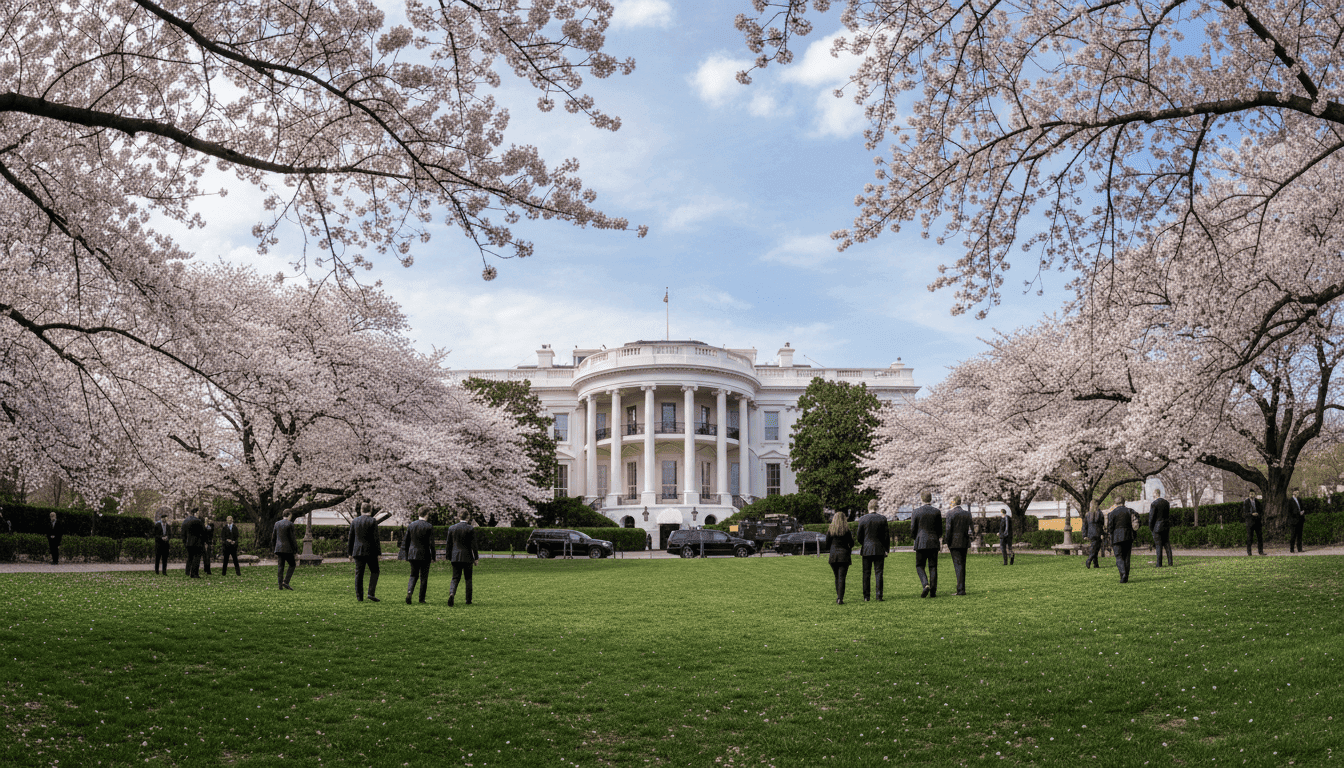
King Charles US visit security is undergoing an intense review following a shocking shooting incident in Washington D.C. just days before the monarch’s highly anticipated state visit. The incident, which saw a gunman attempt to breach security at the White House Correspondents’ Dinner, has cast a long shadow over the meticulously planned diplomatic engagement and highlighted the ever-present challenges of ensuring the safety of global leaders.
The upcoming state visit by King Charles III and Queen Camilla, scheduled from Monday, April 27, to Thursday, April 30, 2026, is a landmark event, marking the first time a British monarch has visited the U.S. since Queen Elizabeth II in 2007. However, the celebratory anticipation has been tempered by the events of Saturday, April 25, when 31-year-old Cole Tomas Allen of Torrance, California, opened fire at the Washington Hilton hotel. Allen, armed with a shotgun and handgun, injured an officer wearing a bulletproof vest before being apprehended. President Donald Trump and First Lady Melania Trump were swiftly evacuated by the Secret Service, underscoring the gravity of the threat. Acting U.S. Attorney General Todd Blanche later indicated that administration officials were likely the intended targets.
Heightened Scrutiny for Royal Security Protocols
In the immediate aftermath, Buckingham Palace confirmed on April 26 that discussions are actively underway with U.S. authorities. These crucial talks aim to thoroughly assess the implications of the shooting on the operational planning for the King’s visit. Darren Jones, the Chief Secretary to the Prime Minister, reiterated the close collaboration between the two nations, stating that the U.S. and UK are “working closely to ensure that security arrangements are put appropriately in place.” This joint effort reflects the shared responsibility and determination to safeguard the royal couple during their high-profile engagements.
The itinerary for the visit remains robust, featuring a state dinner at the White House, an address to a Joint Meeting of Congress, and solemn visits to the September 11 Memorial in New York City. The King is also slated to engage with a community project in Harlem, demonstrating the breadth of his diplomatic and cultural agenda. The visit carries significant historical weight, coinciding with the 250th anniversary of American independence, a moment intended to reaffirm the enduring, albeit sometimes complex, relationship between the two nations.
“The U.S. and UK are working closely to ensure that security arrangements are put appropriately in place.”
While no specific market impact has been detailed in the immediate aftermath, the heightened security concerns inherently underscore the complexities of orchestrating high-profile international visits in the current global climate. Such incidents inevitably lead to an intense review of security protocols, involving intelligence sharing, logistical adjustments, and enhanced protective measures. Acting U.S. Attorney General Todd Blanche has publicly expressed confidence in the safety of the King and Queen, a crucial reassurance amidst the unfolding security discussions.
King Charles US Visit Security Challenges Amidst Diplomatic Nuances
This state visit arrives at a period when U.S.-UK relations have experienced some strain, with recent diplomatic tensions noted in various circles. Despite these underlying currents, President Trump has conveyed his respect for King Charles, expressing a belief that the visit could serve as a vital opportunity to mend and strengthen relations between the two countries. However, the visit also carries potential for awkwardness for the King, particularly given calls for his brother, Andrew Mountbatten-Windsor, to testify before Congress regarding his association with Jeffrey Epstein, a matter that could draw unwanted attention during the royal tour.
The meticulous planning for the King Charles US visit security now involves an even greater degree of collaboration and vigilance. The incident serves as a stark reminder of the unpredictable nature of threats facing public figures, especially those on the global stage. As the world watches, the success of the visit will not only depend on diplomatic triumphs but also on the seamless execution of robust security measures that inspire confidence and ensure the safety of all involved.