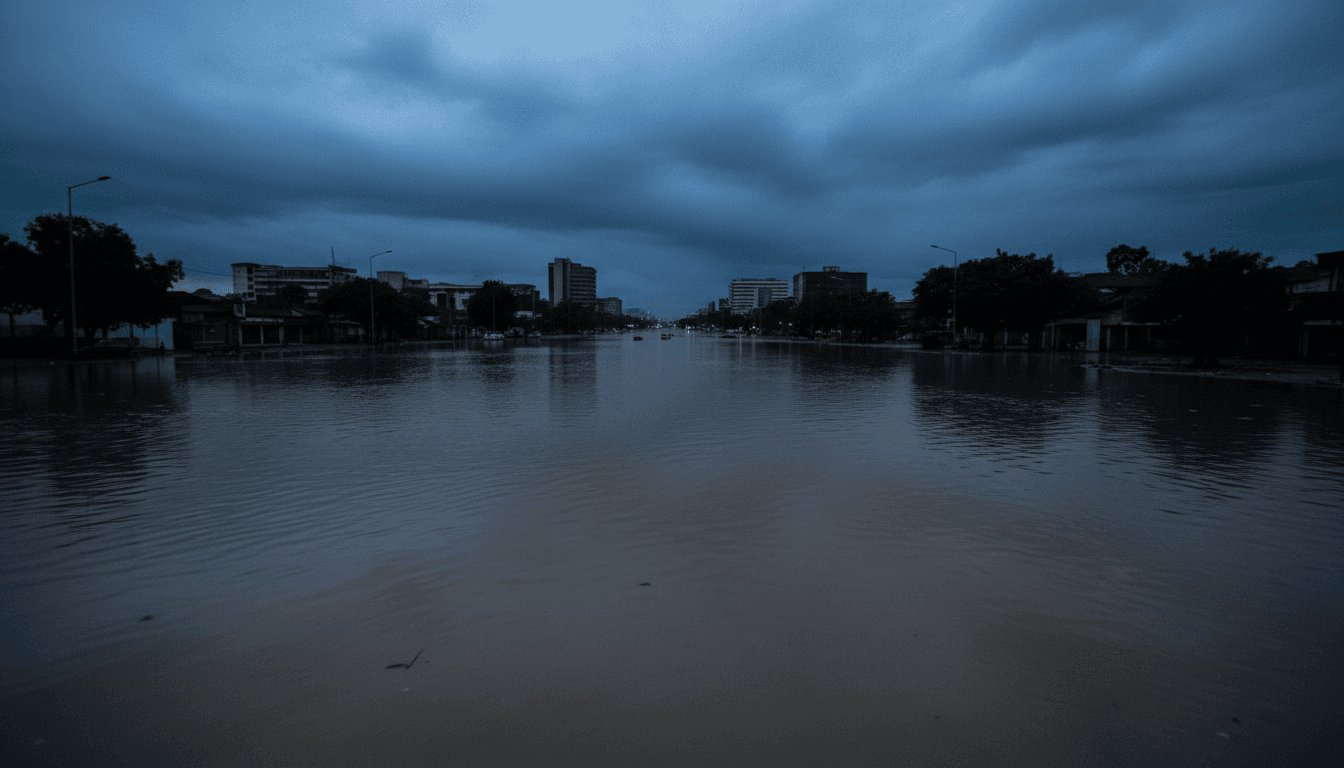
The **Kenya flooding disaster** has escalated dramatically, making it the most critical humanitarian story globally right now as relentless heavy rainfall continues to devastate the East African nation. The severe floods have claimed a staggering 66 lives in just nine days, underscoring the profound vulnerability of communities and the escalating impact of climate change in a region already grappling with economic complexities.
As of Sunday, March 15, 2026, the National Police Service (NPS) confirmed the grim toll, detailing that the 66 victims include 50 men, eight women, and eight children. This marks a sharp increase from the 62 deaths reported just two days prior. Nairobi, the country’s economic heart, bears the brunt of the tragedy with 33 fatalities, followed by the Eastern region (18 deaths), Rift Valley (8 deaths), Nyanza (4 deaths), the Coast (2 deaths), and the Central region (1 death). The widespread nature of the crisis is evident, with counties such as Bungoma, Kajiado, Kiambu, Kirinyaga, Kisumu, Kwale, Makueni, Migori, Murang’a, Nakuru, and Tharaka-Nithi all experiencing significant impacts.
The human cost extends beyond fatalities. Thousands have been displaced, with over 2,000 people seeking emergency shelter and approximately 12,338 households uprooted. Infrastructure has crumbled under the deluge; major roads are impassable, power outages are widespread, and homes, businesses, and vital agricultural lands lie submerged. Even international air travel has been disrupted, with flights at Jomo Kenyatta International Airport diverted to Mombasa. The flash flooding, which began on the night of March 6-7, 2026, was triggered by intense overnight rainfall causing rivers, most notably the Nairobi River, to burst their banks. The Kenya Meteorological Department (KMD) had issued warnings, noting that the long rainy season typically commences in late February and would persist through March 9.
The Economic Fallout of the Kenya Flooding Disaster
The ramifications of the **Kenya flooding disaster** extend far beyond the immediate humanitarian crisis, posing a significant threat to the nation’s economic stability and regional trade. Nairobi, as the engine of Kenya’s economy, has seen its commercial activity severely hampered. Businesses are shuttered, workers are unable to commute, and supply chains are broken, preventing goods from reaching markets. This disruption has led to a “massive, invisible wipeout of working capital,” particularly affecting the vibrant informal economy that sustains millions of livelihoods.
The real estate sector is already feeling the tremors. The floods have prompted a noticeable decline in demand for properties located in flood-prone zones, while simultaneously driving up prices and interest in elevated or less vulnerable areas. This shift could reshape urban development patterns for years to come. Infrastructure, already strained, is suffering further damage. The 2024 floods alone cost an estimated US$300 million in road repairs and shaved 0.3 percentage points off GDP, a figure likely to be surpassed by the current devastation. Agriculture, a cornerstone of the Kenyan economy, faces catastrophic crop losses and livestock deaths, threatening food security and the livelihoods of countless farmers. Health authorities are also bracing for an uptick in waterborne diseases like cholera and malaria, fueled by contaminated water and stagnant floodwaters.
Context and Expert Analysis
Experts attribute the severity of the current floods to a confluence of factors. Rapid and often unregulated urbanization, with development encroaching on floodplains and riparian land, has overwhelmed existing drainage infrastructure. Poor drainage systems and obstructed rivers, especially in Nairobi, exacerbate the problem. Compounding these local issues is the undeniable influence of climate change. Scientists indicate that a warming atmosphere makes extreme rainfall events more probable, with East Africa’s intense rainfall approximately 40% more intense and twice as likely due to climate shifts.
“The recurrent nature of these devastating floods highlights a critical gap in preparedness and sustainable urban planning. While early warning systems exist, the lack of viable alternative shelter options often leaves communities with no choice but to ignore evacuation orders, placing them directly in harm’s way.”
There are growing concerns about inadequate disaster preparedness and weak enforcement of land-use planning regulations. Degradation of catchment areas further reduces the land’s capacity to absorb excess water. The Kenyan government, however, has mobilized emergency responders, including the military and humanitarian agencies, for rescue and relief operations. President William Ruto has announced the delivery of emergency food supplies and medical assistance, alongside efforts to clear blocked drainage systems. The government has also pledged compensation for funeral and medical expenses for flood victims, a crucial lifeline for affected families.
What’s Next for Kenya
The immediate future for Kenya remains precarious. The Kenya Meteorological Department continues to issue warnings of persistent heavy rainfall through the long rains season (March to May), indicating that further flooding and displacement are highly probable. The focus will remain on rescue and relief efforts, but the long-term challenge of rebuilding infrastructure, restoring livelihoods, and implementing more resilient urban planning will be immense. The government’s response, coupled with international support, will be critical in mitigating the ongoing crisis and preparing for future climate-induced disasters. Investors and businesses will be closely watching the recovery efforts and any policy shifts aimed at climate adaptation and infrastructure development.
The tragic **Kenya flooding disaster** serves as a stark reminder of the interconnectedness of climate, urbanization, and economic stability. As the waters recede, the nation faces the arduous task of recovery and resilience-building, a process that will undoubtedly shape its economic trajectory and social fabric for years to come. The world watches, not just for the immediate human tragedy, but for lessons in adapting to a rapidly changing climate.