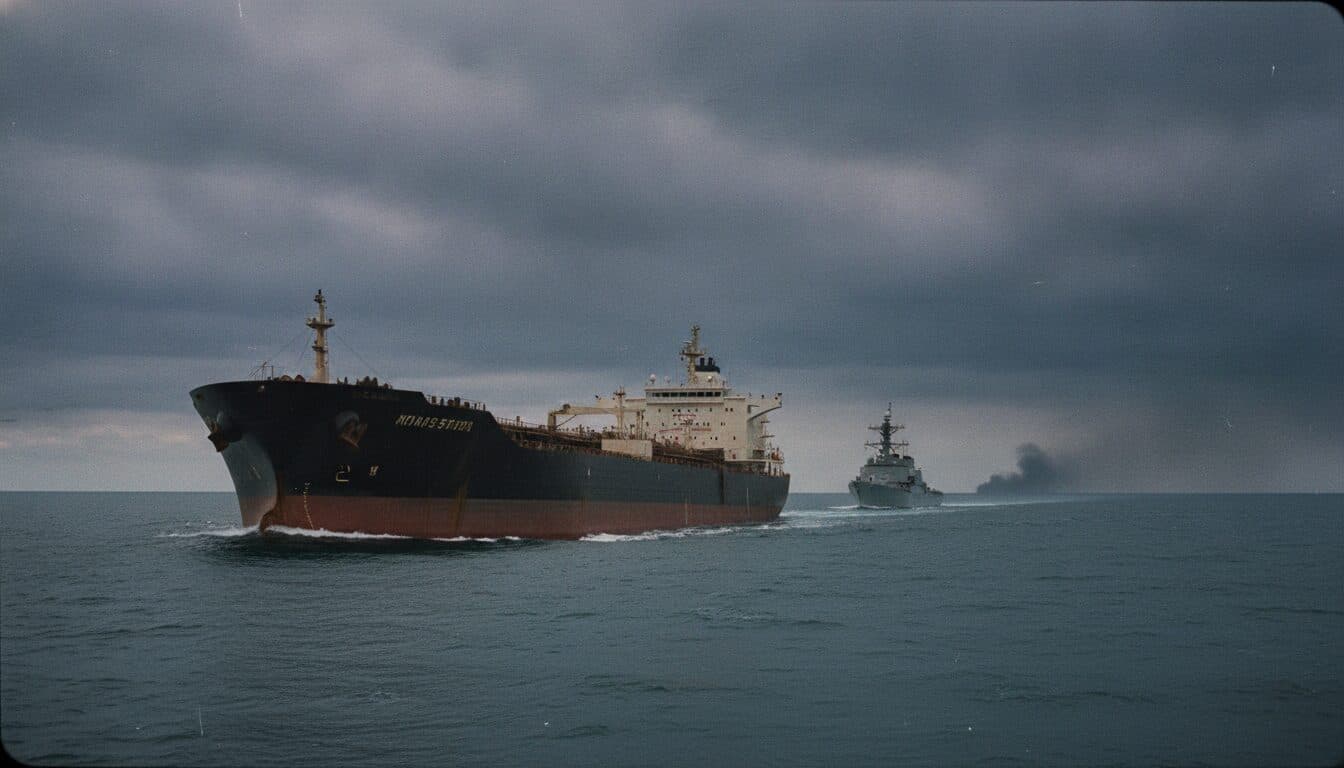
Japan loosens arms export rules today in a historic move, marking the first time since World War II that the nation will broadly permit overseas shipments of lethal military equipment. Approved by Prime Minister Sanae Takaichi’s cabinet on April 21, 2026, this decision profoundly reshapes Japan’s post-war pacifist stance, drawing immediate global attention and igniting fierce domestic debate.
The policy overhaul scraps previous restrictions that confined defense equipment exports to only five non-combat categories: rescue, transport, warning, surveillance, and minesweeping. Under the new guidelines, Japan will now permit the sale of lethal weapons abroad, categorizing defense equipment into “weapons” and “non-weapons” based on their lethal capability. Non-weapons, such as advanced radar systems, will face no export restrictions, opening significant avenues for technological exchange and economic growth for Japanese firms.
Exports of actual weapons, including destroyers and missiles, will be strictly limited to 17 countries that have established agreements with Japan on protecting classified defense-related information and technology. While exports to nations involved in armed conflict are generally prohibited, the policy includes a controversial clause allowing exceptions “in special circumstances” if deemed vital for Japan’s security. Another significant change, implemented in March 2024, permits the transfer of jointly developed weapons to third countries, notably impacting the next-generation fighter jet project with the United Kingdom and Italy under the Global Combat Air Program (GCAP).
Global Impact and Economic Opportunities
This dramatic shift in policy is poised to have far-reaching global implications, integrating Tokyo more deeply into the international defense supply chain. Proponents argue that this will not only strengthen Japan’s domestic defense industry but also deepen defense, diplomatic, and economic ties with key partner nations. The economic opportunities are substantial, with Japanese defense contractors like Mitsubishi Heavy Industries (MHI) expected to see a significant boost.
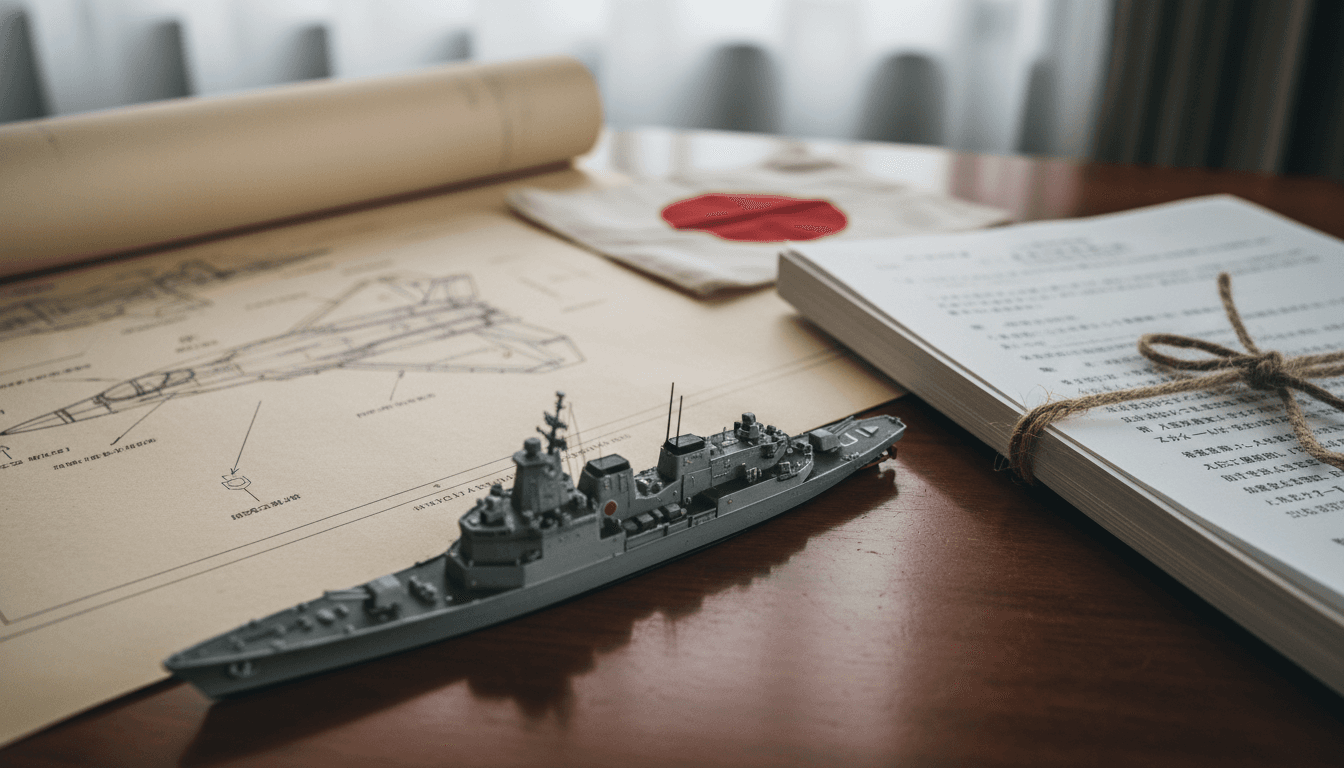
A prime example of this newfound market access is the planned 2025 sale of 11 advanced Mogami-class frigates to Australia, valued at approximately $7 billion. This deal represents Japan’s largest-ever military export and underscores the scale of the economic transformation anticipated. The expanding export market is expected to drive revenue growth for Japanese defense companies and foster advanced technological development, allowing Japan to leverage its manufacturing prowess in a new sector. For more trending stories, visit our news hub.
“This policy evolution unlocks substantial economic opportunities for Japan’s defense sector, with companies like Mitsubishi Heavy Industries (MHI) at the forefront.”
Context Behind Japan Loosens Arms Export Rules
The decision by Prime Minister Sanae Takaichi, a known security hawk, is the culmination of a decade-long process to dismantle stringent arms export restrictions, a process initiated in 2014 under Prime Minister Shinzo Abe. The government explicitly cites a rapidly evolving global security environment, including heightened concerns over Chinese and North Korean aggression, as the primary rationale. The overarching goals are to bolster Japan’s domestic defense capabilities, enhance security cooperation with strategic partners, and solidify Japan’s geopolitical standing. Concurrently, Japan is committed to increasing its national security-related spending to 2% of GDP by 2027.
However, the policy shift has not been without significant domestic backlash. Opposition parties and segments of the public argue that the changes fundamentally violate Japan’s pacifist constitution and could escalate global tensions, potentially compromising the safety of the Japanese people. Critics point to the new rule that parliament will only be notified of weapon exports after they have been completed, rather than requiring prior parliamentary approval, as a worrying erosion of democratic oversight.
“This could turn Japan into ‘a country that exports war,'” warned Hiroshi Shiratori, a professor at Hosei University, expressing a sentiment shared by many critics.
Katsuya Okada, a former foreign minister and senior adviser to the Constitutional Democratic Party of Japan, voiced concerns about the risk of forming a “military-industrial complex,” echoing fears that economic incentives could override ethical considerations. China has also publicly criticized the policy change, adding another layer of geopolitical tension to the debate.
What’s Next for Japan’s Defense Posture
The implications of Japan loosens arms export rules will unfold rapidly in the coming months and years. Watch for the initial export deals beyond the Australian frigates, which will signal the types of weaponry and target markets Japan prioritizes. The global defense industry will closely monitor how Japanese firms integrate into international supply chains and the pace of technological advancements driven by this new market access. Domestically, the debate over parliamentary oversight and the constitutional implications of these changes will continue to resonate, potentially shaping future political landscapes. Geopolitically, this move will undoubtedly influence regional power dynamics, particularly in East Asia, as Japan asserts a more active role in global security.