The global energy market is once again bracing for impact following Iran’s seizure of two commercial vessels in the Strait of Hormuz. This direct military action, coming just hours after the United States extended a ceasefire with Tehran, signals a significant and dangerous escalation in the ongoing US-Iran conflict, threatening to deepen an already acute global energy crisis and reshape geopolitical calculations.
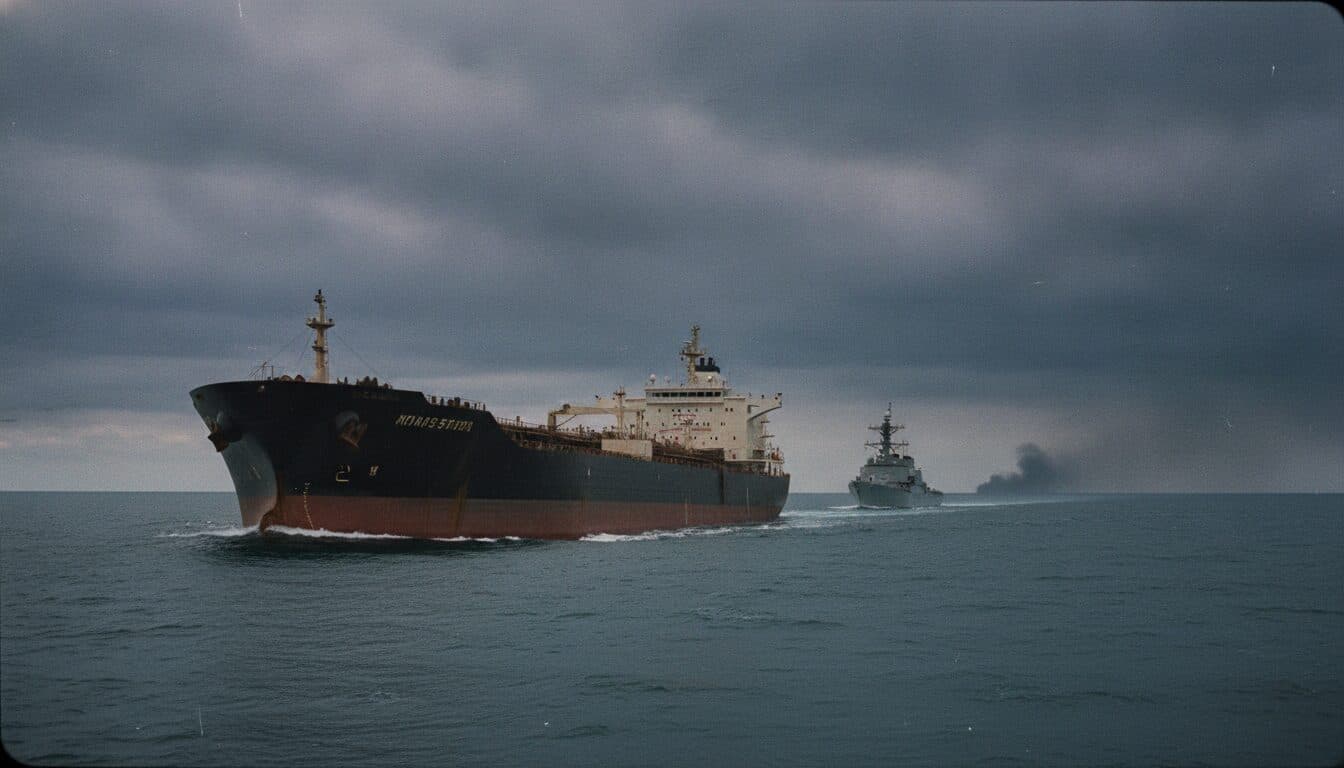
On Wednesday, April 22, 2026, Iran’s Revolutionary Guard Corps (IRGC) dramatically boarded and seized the Panama-flagged MSC Francesca and the Liberia-flagged Epaminondas. The IRGC accused the vessels of “maritime violations” and operating without required permits in the crucial waterway, through which approximately one-fifth of the world’s oil production flows. The seizures mark the first time Iran has taken control of ships since the war began on February 28, 2026, following US and Israeli strikes.
The vessels involved in the incident were the MSC Francesca (IMO: 9401116), an 11,312 TEU container ship owned by MSC, and the Epaminondas (IMO: 9153862), a 6,690 TEU post-Panamax ship time-chartered to MSC and owned by Technomar Shipping. The IRGC Navy claimed the ships were “operating without the necessary permits” and “tampering with navigation systems,” assertions that Panama has already condemned as a violation of international law and a serious attack on maritime security.
Reports from the vessels themselves paint a more aggressive picture. Both ships reported coming under attack earlier on Wednesday. One vessel, believed to be the Epaminondas, indicated an IRGC gunboat fired upon it, causing “heavy damage to the bridge” approximately 15 nautical miles northeast of Oman. The second vessel reported an attack eight nautical miles off Iran’s coast. The Greek Ministry of Shipping confirmed the Epaminondas sustained “extensive damage.” A third vessel, the Liberia-flagged Euphoria, was also reportedly targeted but managed to evade damage. Technomar has confirmed all crew members on the Epaminondas are safe, with India’s Ministry of Ports, Shipping & Waterways also confirming the safety of 22 Indian seafarers across the two seized vessels.
Iran Seizes Two Ships: Escalating the Conflict
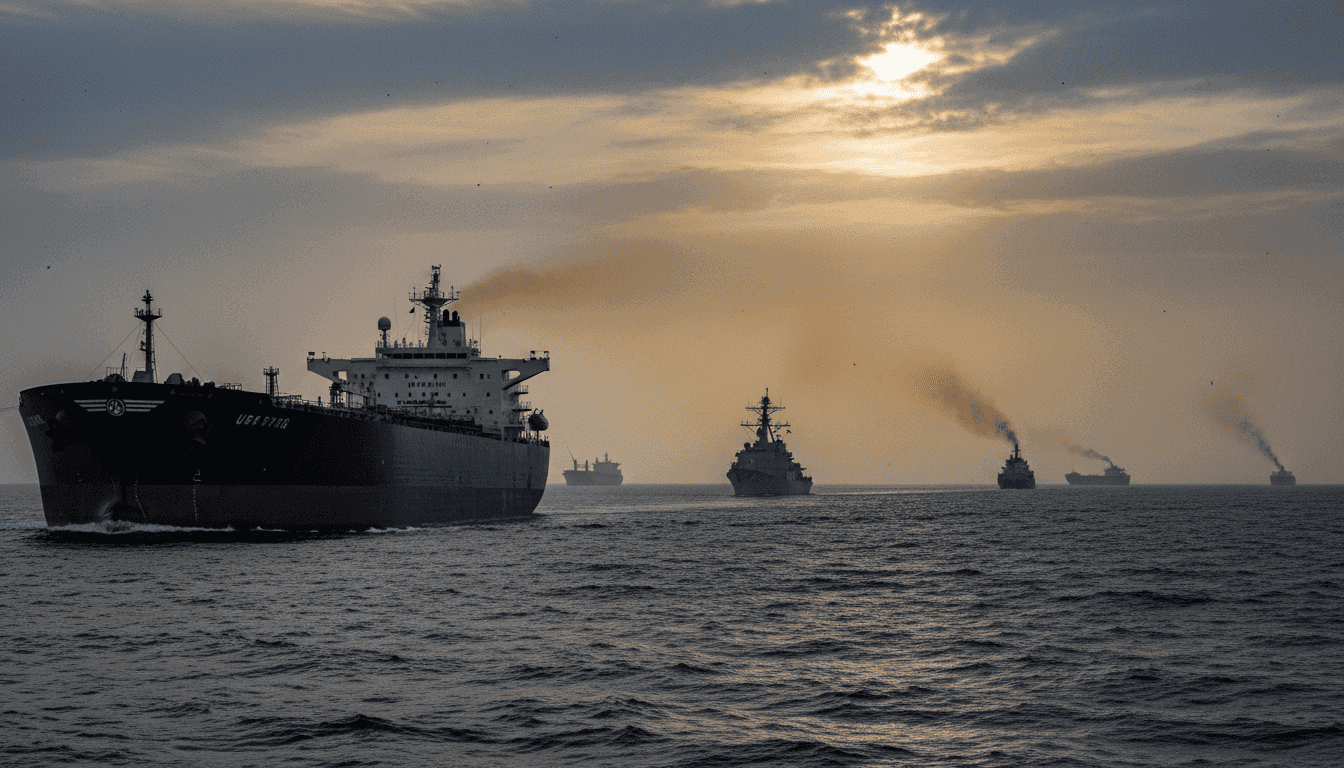
The current status sees the MSC Francesca anchored in Iranian waters, while the Epaminondas is reportedly transiting back towards the Persian Gulf along Iranian waters. The immediate impact on oil markets was palpable, with crude futures spiking as traders weighed the implications of disrupted shipping in the world’s most important oil chokepoint. The incident underscores the fragility of global supply chains and the immediate vulnerability of critical transit routes.
These seizures are not isolated incidents but rather a direct response to a rapidly deteriorating security landscape in the region. The United States initiated a naval blockade of Iranian ports on April 13, 2026, following the collapse of the Islamabad Talks aimed at ending the 2026 Iran war. The US military’s stated objective was to cut off Iran’s primary revenue source from crude exports, thereby pressuring the regime to return to ceasefire negotiations. Days prior to Iran’s actions, the US Navy had already seized an Iranian-flagged cargo vessel, the Touska, in the Gulf of Oman, and boarded an Iranian oil tanker in the Indian Ocean, both allegedly attempting to bypass the blockade.
“The Strait of Hormuz is not merely a shipping lane; it is the geopolitical jugular of the global economy. Any disruption here sends immediate shockwaves through energy markets and diplomatic channels worldwide.”
Compounding the tension, President Donald Trump had extended the US-Iran ceasefire indefinitely on Tuesday, April 21, 2026, at the request of Pakistani mediators, to allow Iran’s leadership time to “come up with a unified proposal” for peace talks. Iran, however, views the US blockade as a direct violation of this ceasefire. Iranian Parliament Speaker Mohammad Ghalibaf has explicitly accused the US of breaking the ceasefire by imposing the blockade, and Tehran has stated it will not reopen the Strait of Hormuz as long as the US continues its blockade of Iranian ports. This tit-for-tat escalation threatens to unravel any semblance of de-escalation efforts.
The economic ramifications of the ongoing conflict and the potential for a sustained closure or severe disruption of the Strait of Hormuz are dire. The existing conflict has already triggered a significant global energy crisis, characterized by widespread fuel shortages and surging prices. The US estimates its naval blockade is costing Iran approximately $500 million daily, a figure that highlights the immense economic pressure being exerted on Tehran. The seizure of these vessels by Iran is a clear signal that it possesses the capability and willingness to retaliate in kind, potentially crippling global trade and exacerbating the energy crisis.
Looking ahead, the immediate future is fraught with uncertainty. The international community will be watching closely for responses from the US and its allies. The potential for further military confrontations in the Strait of Hormuz remains high, as does the risk of broader regional destabilization. Investors and businesses with interests in global trade and energy markets will need to factor in this heightened risk, with potential implications for insurance premiums, shipping routes, and commodity prices. Diplomatic efforts, if any, will face an uphill battle against the backdrop of direct military actions and deep-seated mistrust.
For readers and investors, the seizure of these ships in the Strait of Hormuz underscores the volatile nature of geopolitics in the Middle East and its immediate, tangible impact on the global economy. The direct military action by Iran, coming after a ceasefire extension, signals a calculated move to challenge the US blockade and assert its control over a vital strategic waterway. This incident is not merely a headline; it is a critical indicator of escalating tensions that could have profound and lasting consequences for international relations, global trade, and the stability of energy markets. Related trending articles delve into the broader implications of the US-Iran conflict and its economic fallout.